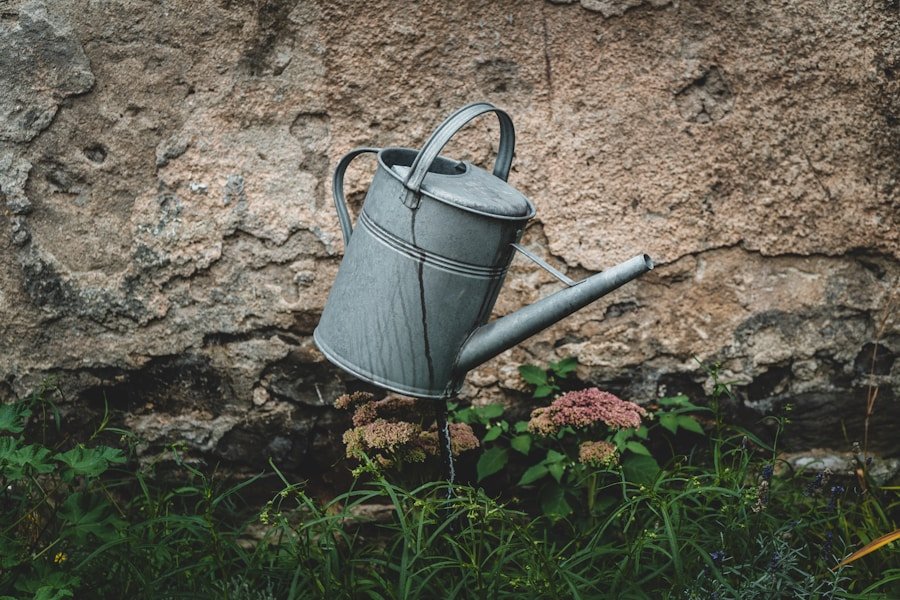

When it comes to watering flowers, it’s important to understand that different types of flowers have different watering needs. Some flowers, such as succulents and cacti, prefer dry soil and only need to be watered sparingly. On the other hand, flowers like hydrangeas and ferns thrive in moist soil and require more frequent watering. It’s important to research the specific watering needs of the flowers in your garden to ensure they receive the proper care.
In addition to the type of flower, factors such as the climate and soil type also play a role in determining watering needs. Flowers in hot, dry climates will require more frequent watering than those in cooler, more humid climates. Similarly, flowers planted in sandy soil will need to be watered more often than those in clay soil. By understanding the unique needs of each type of flower, you can ensure that they receive the right amount of water to thrive.
Best Practices for Watering Flowers in Different Seasons
Watering flowers in different seasons requires a different approach to ensure they receive the proper care. In the spring and summer months, when temperatures are higher and evaporation rates are increased, flowers will require more frequent watering. It’s important to water flowers in the early morning or late evening to minimize evaporation and ensure that the water reaches the roots where it’s needed most.
In the fall and winter months, when temperatures are cooler and evaporation rates are lower, flowers will require less frequent watering. It’s important to adjust your watering schedule accordingly to prevent overwatering and waterlogged soil. Additionally, it’s important to monitor the moisture levels of the soil to ensure that your flowers are receiving the right amount of water for their needs.
How to Water Flowers to Prevent Overwatering and Underwatering
Overwatering and underwatering are common problems that can have detrimental effects on the health of your flowers. Overwatering can lead to root rot and other diseases, while underwatering can cause wilting and stunted growth. To prevent these issues, it’s important to water your flowers carefully and monitor the moisture levels of the soil.
One way to prevent overwatering is to water your flowers deeply but infrequently. This encourages the roots to grow deeper into the soil in search of water, making them more resilient during dry periods. Additionally, using a moisture meter can help you monitor the moisture levels of the soil and determine when it’s time to water your flowers.
To prevent underwatering, it’s important to water your flowers thoroughly and ensure that the water reaches the roots. This may require watering more slowly or using a soaker hose to ensure that the water penetrates deeply into the soil. Additionally, it’s important to monitor the moisture levels of the soil and adjust your watering schedule as needed to prevent your flowers from drying out.
Tips for Choosing the Right Watering Tools and Techniques
Choosing the right watering tools and techniques is essential for ensuring that your flowers receive the proper care. Different types of flowers may require different watering methods, so it’s important to choose tools that are suitable for your specific needs. For example, delicate flowers may benefit from a gentle spray from a watering can, while larger plants may require a soaker hose or drip irrigation system.
In addition to choosing the right tools, it’s important to use proper techniques when watering your flowers. Watering at the base of the plant rather than overhead can help prevent disease and ensure that the water reaches the roots where it’s needed most. Additionally, watering in the early morning or late evening can help minimize evaporation and ensure that your flowers receive the maximum benefit from each watering.
The Importance of Proper Drainage for Healthy Flower Growth
Proper drainage is essential for healthy flower growth, as it helps prevent waterlogged soil and root rot. Flowers planted in poorly draining soil are at risk of suffocating from lack of oxygen, which can lead to stunted growth and poor health. To ensure proper drainage, it’s important to choose well-draining soil and consider adding organic matter such as compost or peat moss to improve drainage.
In addition to soil quality, it’s important to consider the drainage capabilities of your flower pots and garden beds. Containers with drainage holes allow excess water to escape, preventing waterlogged soil and ensuring that your flowers receive the right amount of water. Additionally, adding a layer of gravel or rocks at the bottom of containers can help improve drainage and prevent water from pooling at the bottom.
Signs of Overwatering and Underwatering in Flowers and How to Correct Them
Recognizing the signs of overwatering and underwatering is essential for maintaining healthy flowers. Signs of overwatering may include yellowing leaves, wilting, and a foul odor coming from the soil. On the other hand, signs of underwatering may include dry, brittle leaves and wilting. By monitoring your flowers for these signs and adjusting your watering practices accordingly, you can prevent these issues from affecting the health of your plants.
To correct overwatering, it’s important to allow the soil to dry out between waterings and adjust your watering schedule as needed. Additionally, you may need to repot your flowers in well-draining soil or containers with drainage holes to improve drainage and prevent waterlogged soil. To correct underwatering, it’s important to water your flowers thoroughly and ensure that the water reaches the roots where it’s needed most.
Creating a Watering Schedule for Your Flower Garden
Creating a watering schedule for your flower garden is essential for ensuring that your flowers receive the proper care throughout the year. Factors such as climate, soil type, and the specific needs of each type of flower should be taken into consideration when creating a watering schedule. In general, it’s best to water your flowers deeply but infrequently to encourage deep root growth and resilience during dry periods.
It’s important to monitor the moisture levels of the soil and adjust your watering schedule as needed based on weather conditions and the specific needs of your flowers. Using a moisture meter can help you determine when it’s time to water your flowers and prevent overwatering or underwatering. By creating a watering schedule that takes into account these factors, you can ensure that your flowers receive the proper care they need to thrive.
In conclusion, understanding the unique watering needs of different types of flowers is essential for maintaining healthy plants in your garden. By following best practices for watering in different seasons, preventing overwatering and underwatering, choosing the right tools and techniques, ensuring proper drainage, recognizing signs of overwatering and underwatering, and creating a watering schedule, you can ensure that your flowers receive the proper care they need to thrive. With careful attention to these factors, you can enjoy a beautiful and healthy flower garden year-round.