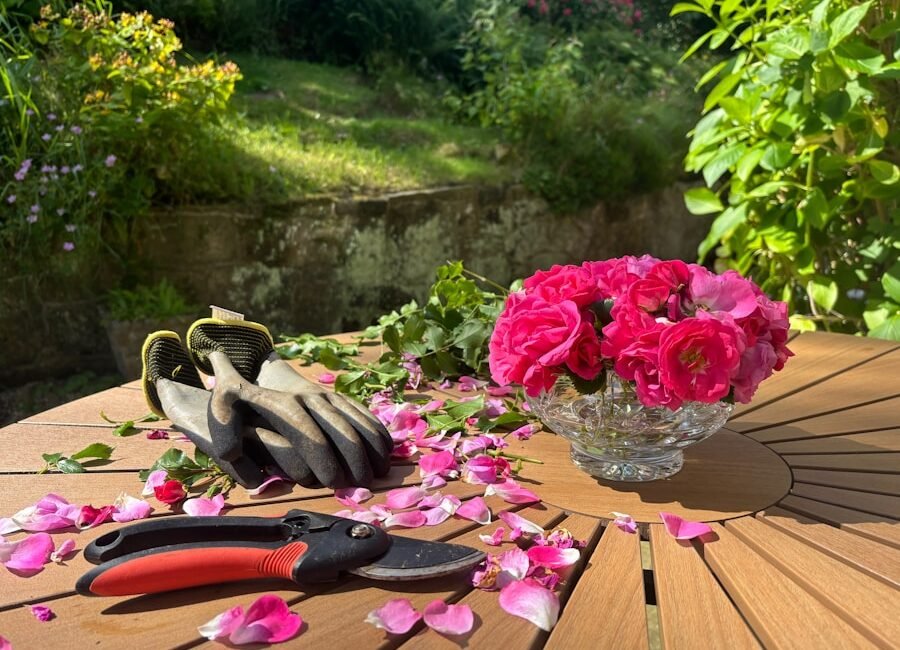

Pruning is an essential gardening practice that involves the selective removal of parts of a plant, such as branches, buds, or roots, to improve its health, shape, or growth. When it comes to flowers, pruning is crucial for maintaining their overall appearance and promoting healthy growth. There are several reasons why pruning is necessary for flowers. First, it helps to remove dead or diseased parts of the plant, which can prevent the spread of disease and improve overall plant health. Additionally, pruning can help to shape the plant and encourage the growth of new blooms. It can also help to control the size of the plant and prevent it from becoming overgrown. Understanding the basics of pruning is essential for any gardener looking to maintain healthy and beautiful flowers.
When it comes to pruning flowers, it’s important to understand the specific needs of each type of plant. Different flowers have different growth habits and pruning requirements, so it’s important to research the specific needs of each type of flower before beginning the pruning process. Some flowers may require regular pruning to encourage new growth and blooms, while others may only need occasional maintenance. Understanding the basics of pruning, such as when and how to prune, is essential for maintaining healthy and beautiful flowers in your garden.
Identifying the Best Time to Prune Different Types of Flowers
The best time to prune flowers depends on the specific type of plant and its growth habits. In general, most flowering plants should be pruned in late winter or early spring, before new growth begins. This allows the plant to recover from pruning and encourages new growth and blooms. However, there are some exceptions to this rule. For example, spring-flowering shrubs should be pruned immediately after they finish blooming, as they set their flower buds in the previous year’s growth. Pruning them in late winter or early spring would remove these buds and prevent them from blooming. On the other hand, summer-flowering shrubs can be pruned in late winter or early spring before new growth begins.
It’s also important to consider the specific needs of each type of flower when determining the best time to prune. Some flowers may benefit from a light pruning in the fall to remove dead or diseased growth and encourage new blooms in the spring. Others may require regular pruning throughout the growing season to maintain their shape and encourage new growth. Understanding the best time to prune different types of flowers is essential for maintaining healthy and beautiful plants in your garden.
Tools and Techniques for Pruning Flowers
When it comes to pruning flowers, having the right tools and techniques is essential for achieving the best results. There are several tools that are commonly used for pruning flowers, including hand pruners, loppers, and pruning saws. Hand pruners are ideal for cutting small branches and stems, while loppers are better suited for larger branches. Pruning saws are useful for cutting through thick branches that are too large for hand pruners or loppers. It’s important to use sharp, clean tools when pruning flowers to prevent damage to the plant and promote quick healing.
In addition to having the right tools, using the proper techniques is essential for achieving the best results when pruning flowers. When making cuts, it’s important to make clean, angled cuts just above a bud or branch junction. This helps to promote quick healing and prevents damage to the plant. It’s also important to remove any dead or diseased growth, as well as any crossing or rubbing branches that can cause damage to the plant. Using the right tools and techniques for pruning flowers is essential for maintaining healthy and beautiful plants in your garden.
Pruning for Shape and Structure
Pruning for shape and structure is an important aspect of maintaining healthy and beautiful flowers in your garden. Properly shaping a plant can help to improve its overall appearance and promote healthy growth. When it comes to shaping flowers, it’s important to consider the natural growth habit of the plant and prune accordingly. For example, some plants may benefit from regular pruning to maintain a compact, bushy shape, while others may require minimal shaping to maintain their natural form.
When shaping flowers, it’s important to consider the overall structure of the plant and prune accordingly. This may involve removing any crossing or rubbing branches that can cause damage to the plant, as well as thinning out dense growth to improve air circulation and light penetration. It’s also important to consider the specific needs of each type of flower when shaping them. Some flowers may benefit from regular shaping throughout the growing season, while others may only require occasional maintenance. Pruning for shape and structure is essential for maintaining healthy and beautiful flowers in your garden.
Pruning for Health and Disease Prevention
Pruning for health and disease prevention is an important aspect of maintaining healthy flowers in your garden. Regular pruning can help to remove dead or diseased growth, which can prevent the spread of disease and improve overall plant health. It can also help to improve air circulation and light penetration, which can reduce the risk of fungal diseases. When pruning for health and disease prevention, it’s important to inspect the plant carefully for any signs of disease or pest infestation before making any cuts.
In addition to removing dead or diseased growth, it’s important to consider other factors that can affect plant health when pruning flowers. For example, removing any crossing or rubbing branches can prevent damage to the plant and reduce the risk of disease. It’s also important to consider the specific needs of each type of flower when pruning for health and disease prevention. Some flowers may benefit from regular pruning throughout the growing season to maintain their health, while others may only require occasional maintenance. Pruning for health and disease prevention is essential for maintaining healthy and beautiful flowers in your garden.
Maximizing Blooms with Proper Pruning
Proper pruning is essential for maximizing blooms on flowering plants in your garden. When done correctly, pruning can encourage new growth and blooms, as well as improve overall plant health. There are several techniques that can be used to maximize blooms with proper pruning. For example, deadheading is a common technique used to encourage new blooms on flowering plants. This involves removing spent flowers before they go to seed, which can promote new growth and blooms.
In addition to deadheading, proper pruning can help to promote new growth and blooms on flowering plants. This may involve removing any dead or diseased growth, as well as thinning out dense growth to improve air circulation and light penetration. It’s also important to consider the specific needs of each type of flower when maximizing blooms with proper pruning. Some flowers may benefit from regular deadheading throughout the growing season, while others may only require occasional maintenance. Maximizing blooms with proper pruning is essential for maintaining healthy and beautiful flowers in your garden.
Common Mistakes to Avoid When Pruning Flowers
While pruning is an essential gardening practice, there are several common mistakes that should be avoided when pruning flowers. One common mistake is over-pruning, which can weaken the plant and reduce its ability to produce blooms. It’s important to avoid removing more than one-third of the plant’s growth at a time, as this can put unnecessary stress on the plant.
Another common mistake is improper timing when pruning flowers. Pruning at the wrong time can remove flower buds or prevent new growth from forming, which can reduce the number of blooms on the plant. It’s important to research the specific needs of each type of flower before beginning the pruning process to ensure that you are pruning at the right time.
In addition to over-pruning and improper timing, using dull or dirty tools can also be a common mistake when pruning flowers. Using dull tools can cause damage to the plant and slow healing, while using dirty tools can spread disease from one plant to another. It’s important to use sharp, clean tools when pruning flowers to prevent damage and promote quick healing.
In conclusion, understanding the basics of pruning is essential for maintaining healthy and beautiful flowers in your garden. Identifying the best time to prune different types of flowers is crucial for achieving the best results when pruning. Having the right tools and techniques is essential for achieving the best results when pruning flowers. Pruning for shape and structure is an important aspect of maintaining healthy and beautiful flowers in your garden. Pruning for health and disease prevention is essential for maintaining healthy flowers in your garden. Maximizing blooms with proper pruning is essential for maintaining healthy and beautiful flowers in your garden. Finally, avoiding common mistakes when pruning flowers is crucial for achieving the best results when maintaining your garden.

Other Articles