
One of the first steps in effectively managing pests in your garden is being able to identify them. Common garden pests can include insects such as aphids, caterpillars, and beetles, as well as larger pests like rabbits, deer, and rodents. Aphids are small, soft-bodied insects that can be green, black, or red in color. They feed on the sap of plants and can cause damage by stunting growth and spreading diseases. Caterpillars are the larval stage of moths and butterflies and can be identified by their chewing mouthparts and segmented bodies. They can cause damage by eating leaves, flowers, and fruits. Beetles are another common garden pest and can come in a variety of shapes and sizes. They can cause damage by feeding on plant foliage and spreading diseases. Larger pests like rabbits, deer, and rodents can also cause significant damage to gardens by eating plants and digging up soil.
In addition to insects and larger pests, gardeners also need to be aware of common plant diseases that can affect their gardens. These can include fungal diseases like powdery mildew and downy mildew, as well as bacterial diseases like fire blight and leaf spot. Identifying these diseases early on is crucial for effective management and prevention of further spread. By being able to identify common garden pests and diseases, gardeners can take the necessary steps to control and prevent damage to their plants.
Understanding the Damage They Cause
Understanding the damage that common garden pests can cause is essential for effective pest management. Insects like aphids, caterpillars, and beetles can cause damage by feeding on plant foliage, flowers, and fruits. This can lead to stunted growth, reduced yields, and even death of the plant in severe cases. In addition to direct feeding damage, these pests can also spread diseases from plant to plant, further compromising the health of the garden. Larger pests like rabbits, deer, and rodents can cause damage by eating plants and digging up soil, leading to destruction of crops and loss of productivity.
Plant diseases can also cause significant damage to gardens by affecting the overall health and vigor of plants. Fungal diseases like powdery mildew and downy mildew can cause white or grayish patches on leaves, stems, and flowers, leading to reduced photosynthesis and plant growth. Bacterial diseases like fire blight and leaf spot can cause wilting, browning, and necrosis of plant tissues, ultimately leading to plant death if left untreated. By understanding the damage that common garden pests and diseases can cause, gardeners can take proactive measures to manage and prevent their impact on their gardens.
Natural and Organic Pest Control Methods
When it comes to managing pests in the garden, many gardeners prefer to use natural and organic pest control methods that are safe for the environment and beneficial insects. One popular method is using beneficial insects like ladybugs, lacewings, and parasitic wasps to control pest populations. These insects feed on common garden pests like aphids, caterpillars, and beetles, helping to naturally reduce their numbers without the use of harmful chemicals. Another natural pest control method is using physical barriers like row covers and netting to protect plants from larger pests like rabbits, deer, and rodents. These barriers can help prevent damage to crops while still allowing for air circulation and sunlight.
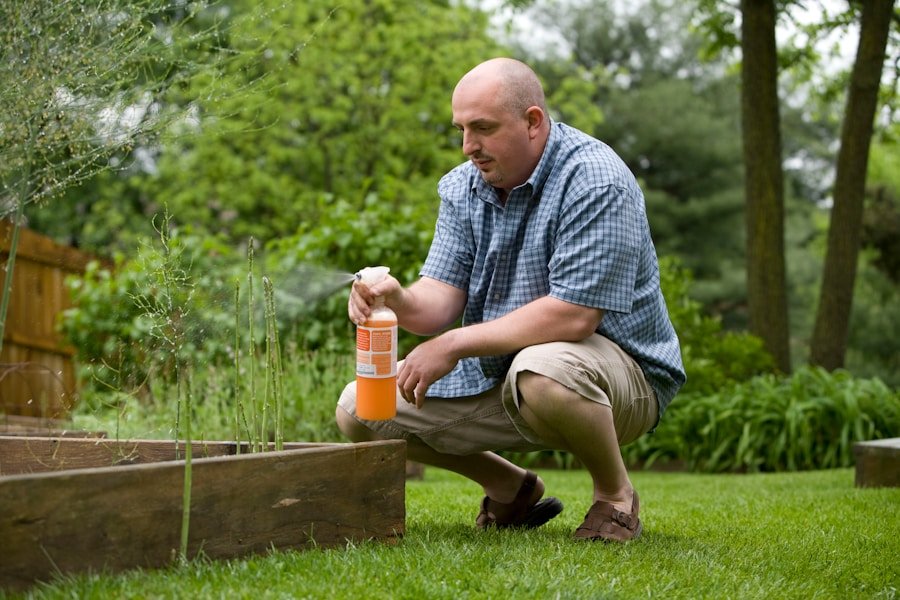
Organic pest control methods also include using natural substances like neem oil, insecticidal soap, and diatomaceous earth to manage pest populations. Neem oil is derived from the seeds of the neem tree and acts as a natural insecticide and fungicide. It can be used to control a wide range of pests including aphids, caterpillars, beetles, and mites. Insecticidal soap is a mixture of soap and water that can be sprayed on plants to control soft-bodied insects like aphids, mealybugs, and spider mites. Diatomaceous earth is a natural powder made from fossilized remains of diatoms that can be sprinkled around plants to control crawling insects like ants, cockroaches, and earwigs. By using natural and organic pest control methods, gardeners can effectively manage pest populations while minimizing harm to the environment.
Chemical Pest Control Options
While natural and organic pest control methods are preferred by many gardeners, there are times when chemical pest control options may be necessary to effectively manage severe infestations. Chemical pesticides can be used to control a wide range of pests including insects, mites, and diseases that may be difficult to manage with natural methods alone. There are different types of chemical pesticides available including insecticides, fungicides, and herbicides that target specific pests or diseases.
Insecticides are used to control insect pests like aphids, caterpillars, beetles, and mites that may be causing significant damage to plants. They can come in various forms including sprays, dusts, granules, and baits that can be applied directly to plants or soil. Fungicides are used to control fungal diseases like powdery mildew, downy mildew, and leaf spot that may be affecting the overall health of plants. They can be applied as sprays or dusts to protect plants from infection or to manage existing infections. Herbicides are used to control unwanted weeds that may be competing with crops for nutrients, water, and sunlight. They can be applied as sprays or granules to target specific weed species while minimizing harm to desirable plants.
While chemical pest control options can be effective in managing severe infestations, it is important for gardeners to use them responsibly and according to label instructions to minimize harm to beneficial insects, wildlife, and the environment.
Companion Planting for Pest Management
Companion planting is a gardening technique that involves planting different crops together in close proximity to provide mutual benefits such as pest management. By strategically planting certain crops together, gardeners can help deter common garden pests while promoting overall garden health. One popular example of companion planting for pest management is planting marigolds alongside vegetable crops like tomatoes, peppers, and eggplants. Marigolds contain natural compounds that repel nematodes, aphids, and other insect pests that may be harmful to these vegetable crops.
Another example of companion planting for pest management is planting aromatic herbs like basil, mint, and rosemary alongside susceptible crops like cabbage, broccoli, and kale. These herbs contain strong scents that can help deter common pests like cabbage moths, aphids, and flea beetles from feeding on these crops. Additionally, planting flowers like sunflowers, zinnias, and cosmos alongside vegetable crops can attract beneficial insects like ladybugs, lacewings, and parasitic wasps that feed on common garden pests.
By incorporating companion planting into their gardens, gardeners can help naturally manage pest populations while promoting biodiversity and overall garden health.
Preventing Pests in Your Flower Garden
Preventing pests in your flower garden is essential for maintaining the beauty and health of your plants. One effective way to prevent pests is by practicing good garden hygiene such as removing dead or diseased plant material regularly. Dead or diseased plant material can attract pests like aphids, caterpillars, and beetles that may further spread diseases throughout the garden. It is also important to properly space plants apart to promote good air circulation which can help prevent fungal diseases like powdery mildew and downy mildew.
Another way to prevent pests in your flower garden is by using mulch to suppress weed growth which can harbor pests like slugs and snails that may feed on your plants. Mulch also helps retain moisture in the soil which can promote overall plant health while reducing stress from environmental factors. Additionally, using drip irrigation instead of overhead watering can help prevent fungal diseases by keeping foliage dry while delivering water directly to the roots of plants.
By practicing good garden hygiene, proper spacing of plants, using mulch, and drip irrigation in your flower garden, you can effectively prevent pests while promoting overall plant health.
Seeking Professional Help for Severe Infestations
In some cases of severe infestations in the garden where natural methods have proven ineffective in managing pest populations or diseases, it may be necessary to seek professional help from a licensed pest control specialist or horticulturist. These professionals have the knowledge and expertise to properly identify the specific pests or diseases affecting your garden and recommend appropriate management strategies.
Pest control specialists may use integrated pest management (IPM) techniques which involve a combination of natural, organic, and chemical methods tailored to specific pest problems while minimizing harm to beneficial insects and the environment. They may also provide ongoing monitoring of pest populations in your garden to ensure effective management over time.
Horticulturists may provide recommendations for improving overall garden health through proper soil fertility management, irrigation practices, and plant selection that can help prevent future pest problems from occurring.
By seeking professional help for severe infestations in your garden, you can effectively manage pest populations while promoting overall garden health for years to come.
In conclusion, identifying common garden pests is crucial for effective pest management in your garden. Understanding the damage they cause helps you take proactive measures to prevent further spread of pests or diseases. Natural and organic pest control methods are preferred by many gardeners for their safety for the environment while chemical pest control options may be necessary for severe infestations. Companion planting for pest management helps deter common garden pests while promoting overall garden health. Preventing pests in your flower garden through good garden hygiene practices is essential for maintaining the beauty and health of your plants while seeking professional help for severe infestations ensures effective management over time. By incorporating these strategies into your gardening practices, you can effectively manage pests in your garden while promoting overall plant health for years to come.

Other Articles
Protect Your Blooms: How to Ward Off Common Flower Diseases