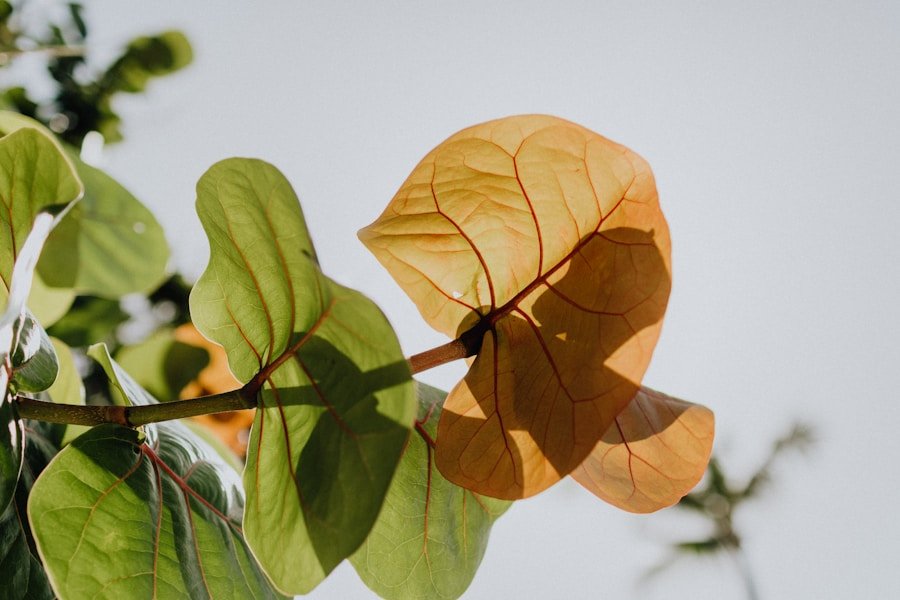

Sunlight is essential for the growth and development of plants. It is the primary source of energy for photosynthesis, the process by which plants convert light energy into chemical energy to fuel their growth. Sunlight provides the necessary energy for plants to produce their own food, in the form of glucose, which is used for growth, reproduction, and overall health. In addition to providing energy, sunlight also plays a crucial role in the regulation of plant processes such as flowering, fruiting, and the production of essential nutrients. Without adequate sunlight, plants may become weak, stunted, and more susceptible to disease and pests. Therefore, ensuring that your plants receive the right amount of sunlight is crucial for their overall health and vitality.
Furthermore, sunlight also plays a role in the production of essential vitamins and nutrients in plants. For example, sunlight is necessary for the production of vitamin D in some plants, which is important for their overall health and vitality. In addition, sunlight exposure can also affect the flavor and nutritional content of fruits and vegetables. For example, tomatoes that are grown in full sunlight tend to be sweeter and have higher levels of certain nutrients compared to those grown in shaded areas. Therefore, ensuring that your plants receive adequate sunlight is not only important for their growth and development but also for the quality and nutritional value of the produce they yield.
Different Light Requirements for Different Plants
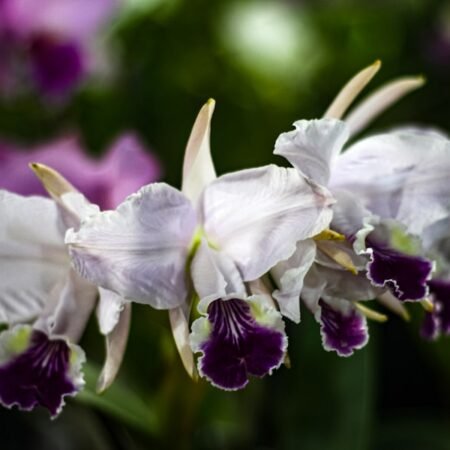
Not all plants have the same light requirements, and it is important to understand the specific needs of each plant in order to provide them with the right amount of sunlight. Some plants, such as succulents and cacti, thrive in bright, direct sunlight and can withstand long hours of exposure to the sun. On the other hand, other plants, such as ferns and some types of orchids, prefer indirect or filtered sunlight and can become damaged if exposed to direct sunlight for extended periods. Understanding the specific light requirements of each plant is crucial for their overall health and well-being.
In addition to the intensity of light, different plants also have varying duration requirements. Some plants require long hours of sunlight each day, while others may only need a few hours of sunlight to thrive. Understanding the specific light duration needs of each plant is important for ensuring that they receive the right amount of sunlight for their growth and development. By taking into account the specific light intensity and duration needs of each plant, you can create an optimal environment for their growth and ensure that they thrive to their fullest potential.
Understanding Sunlight Intensity and Duration
Sunlight intensity refers to the amount of light that reaches a specific area and is measured in foot-candles or lux. Different plants have varying intensity requirements, with some needing high-intensity light and others thriving in low-intensity light conditions. Understanding the specific intensity needs of each plant is crucial for providing them with the right amount of light for their growth and development. In addition to intensity, understanding the duration of sunlight exposure is also important. Some plants require long hours of sunlight each day, while others may only need a few hours to thrive. By understanding the specific intensity and duration needs of each plant, you can create an optimal environment for their growth and ensure that they receive the right amount of sunlight.
Furthermore, it is important to consider the quality of light when providing sunlight for plants. The quality of light refers to the spectrum of light wavelengths that reach the plants, including red, blue, green, and ultraviolet light. Different plants have varying quality requirements, with some needing specific wavelengths for optimal growth and development. Understanding the specific quality needs of each plant is important for providing them with the right type of light for their overall health and vitality. By taking into account the specific intensity, duration, and quality needs of each plant, you can create an optimal environment for their growth and ensure that they thrive to their fullest potential.
How to Position Your Plants to Receive the Right Amount of Sunlight
Positioning your plants in the right location is crucial for ensuring that they receive the right amount of sunlight for their growth and development. When determining the best placement for your plants, it is important to consider factors such as the direction of sunlight, potential obstructions, and the specific light requirements of each plant. For example, plants that require direct sunlight should be placed in a location where they will receive at least six hours of direct sunlight each day. On the other hand, plants that prefer indirect or filtered sunlight should be placed in a location where they will receive bright, indirect light for several hours each day.
In addition to considering the direction of sunlight, it is also important to take into account potential obstructions that may block or filter sunlight. For example, tall buildings or trees may cast shadows over certain areas of your garden or home, affecting the amount of sunlight that reaches your plants. By carefully observing the movement of sunlight throughout the day and identifying potential obstructions, you can determine the best placement for your plants to ensure that they receive the right amount of sunlight for their growth and development.
Signs of Sunlight Deficiency and Excess in Plants
Plants that do not receive enough sunlight may exhibit a range of symptoms indicating sunlight deficiency. Common signs of sunlight deficiency in plants include stunted growth, pale or yellowing leaves, weak stems, and poor flowering or fruiting. In addition, some plants may become leggy or develop elongated stems as they reach towards a source of light in an attempt to compensate for insufficient sunlight. If you notice any of these symptoms in your plants, it may be an indication that they are not receiving enough sunlight and may need to be repositioned to a location with better light exposure.
On the other hand, excessive sunlight exposure can also have negative effects on plants. Signs of sunlight excess in plants include scorched or burnt leaves, wilting or drooping foliage, and overall stress or decline in health. In extreme cases, excessive sunlight exposure can lead to sunburn or heat stress in plants, causing irreversible damage to their leaves and overall health. If you notice any signs of excessive sunlight exposure in your plants, it is important to take action to protect them from further damage by providing shade or adjusting their exposure to sunlight.
Tips for Providing Adequate Sunlight for Indoor Plants
Providing adequate sunlight for indoor plants can be challenging, especially if you live in a location with limited natural light or have a home with few windows. However, there are several tips and strategies you can use to ensure that your indoor plants receive the right amount of sunlight for their growth and development. One option is to place your indoor plants near windows that receive bright, indirect light throughout the day. South-facing windows tend to receive the most intense light, making them ideal for plants that require high-intensity light exposure.
In addition to positioning your indoor plants near windows, you can also supplement natural light with artificial grow lights. Grow lights are specially designed to mimic natural sunlight and provide plants with the necessary light energy for photosynthesis. There are several types of grow lights available on the market, including fluorescent, LED, and high-intensity discharge (HID) lights, each with varying intensity and spectrum options. By using grow lights in combination with natural light from windows, you can create an optimal environment for your indoor plants to thrive and ensure that they receive the right amount of sunlight for their growth and development.
Adjusting Sunlight Exposure for Outdoor Plants Throughout the Seasons
Outdoor plants may require adjustments in sunlight exposure throughout the changing seasons in order to ensure their continued growth and development. During the spring and summer months when days are longer and sunnier, outdoor plants may benefit from increased exposure to direct sunlight. However, as fall approaches and days become shorter with less intense sunlight, outdoor plants may require adjustments in their exposure to ensure that they continue to receive adequate light for their growth.
One way to adjust sunlight exposure for outdoor plants throughout the seasons is by repositioning them to take advantage of changing light patterns. For example, as the angle of the sun changes throughout the year, certain areas of your garden or outdoor space may receive more or less direct sunlight. By observing these changes and repositioning your plants accordingly, you can ensure that they continue to receive the right amount of sunlight for their growth and development. In addition to repositioning your outdoor plants, you can also provide shade or protection from excessive sunlight exposure during particularly hot or intense periods to prevent sunburn or heat stress.
In conclusion, sunlight plays a crucial role in the growth and development of plants by providing energy for photosynthesis and regulating essential processes such as flowering and fruiting. Different plants have varying light requirements in terms of intensity, duration, and quality, making it important to understand their specific needs in order to provide them with adequate sunlight. By carefully positioning your plants to receive the right amount of sunlight and monitoring them for signs of deficiency or excess, you can ensure that they thrive to their fullest potential. Whether you are caring for indoor or outdoor plants, adjusting their exposure to sunlight throughout the changing seasons is important for ensuring their continued health and vitality. By taking into account these factors and implementing appropriate strategies, you can create an optimal environment for your plants to thrive and flourish.