
Seasonal flowers bring color and vibrancy to any garden or landscape, but they require proper care and maintenance to thrive. It is important to understand the specific needs of different seasonal flowers and provide them with the appropriate care to ensure their health and longevity. Proper care not only enhances the beauty of the flowers but also promotes their overall well-being, allowing them to reach their full potential. Seasonal flower care is essential for maintaining a healthy and attractive garden throughout the year, and it requires attention to watering, fertilizing, pruning, and protection from pests and diseases. By understanding the importance of seasonal flower care and implementing the necessary practices, gardeners can enjoy a stunning display of blooms that brighten up their outdoor spaces.
In addition to their aesthetic value, seasonal flowers also play a crucial role in supporting pollinators and beneficial insects, contributing to the overall health of the ecosystem. By caring for seasonal flowers, gardeners can create a welcoming environment for bees, butterflies, and other pollinators, which are essential for the reproduction of many plant species. Seasonal flowers also add diversity to the garden, attracting a wide range of wildlife and creating a balanced and sustainable ecosystem. Therefore, it is important to prioritize seasonal flower care to not only enhance the beauty of the garden but also to support the local ecosystem and promote biodiversity.
Understanding the Needs of Different Seasonal Flowers
Different seasonal flowers have unique requirements based on their specific growing conditions and natural habitats. It is important for gardeners to understand the needs of each type of seasonal flower in order to provide them with the appropriate care. Some seasonal flowers thrive in full sun, while others prefer partial shade, so it is essential to consider the sunlight requirements when selecting a location for planting. Additionally, seasonal flowers have varying soil preferences, with some species thriving in well-drained soil, while others prefer moist or acidic conditions. By understanding the specific needs of different seasonal flowers, gardeners can create an environment that is conducive to their growth and development.
Furthermore, seasonal flowers have different blooming periods and growth habits, which should be taken into account when planning and caring for them. Some seasonal flowers are early bloomers, while others bloom later in the season, so it is important to select a variety of flowers that will provide continuous color and interest throughout the year. Additionally, understanding the growth habits of different seasonal flowers can help gardeners anticipate their maintenance needs, such as pruning and deadheading. By familiarizing themselves with the unique requirements of each type of seasonal flower, gardeners can create a thriving and diverse garden that showcases a wide range of colors, shapes, and textures.
Tips for Watering and Fertilizing Seasonal Flowers
Proper watering and fertilizing are essential components of seasonal flower care, as they provide the necessary nutrients and moisture for healthy growth and blooming. When it comes to watering seasonal flowers, it is important to strike a balance between providing enough moisture without overwatering, which can lead to root rot and other issues. The frequency and amount of water needed will vary depending on the specific needs of each type of seasonal flower, as well as the climate and soil conditions. In general, it is best to water deeply and infrequently, allowing the soil to dry out slightly between waterings to encourage strong root development.
In addition to watering, fertilizing is an important aspect of seasonal flower care that can help promote vigorous growth and abundant blooms. Different types of seasonal flowers have varying nutrient requirements, so it is important to select a fertilizer that is appropriate for the specific needs of each plant. Slow-release fertilizers are often recommended for seasonal flowers, as they provide a steady supply of nutrients over an extended period of time. It is important to follow the recommended application rates and timing for fertilizing seasonal flowers to avoid overfeeding or causing nutrient imbalances. By providing the right amount of water and nutrients, gardeners can ensure that their seasonal flowers receive the care they need to thrive and produce stunning displays of blooms.
Pruning and Deadheading Techniques for Seasonal Flowers
Pruning and deadheading are important maintenance tasks that can help promote healthy growth and prolong the blooming period of seasonal flowers. Pruning involves removing dead or damaged foliage, as well as shaping the plant to encourage a more compact and attractive form. Deadheading, on the other hand, involves removing spent blooms to prevent seed production and encourage the plant to produce new flowers. Both pruning and deadheading can help improve the overall appearance of seasonal flowers and promote continuous blooming throughout the growing season.
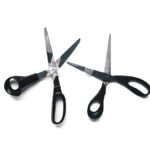
When pruning seasonal flowers, it is important to use sharp, clean tools to make clean cuts that minimize damage to the plant. It is also important to prune at the right time, as some plants benefit from early spring pruning to remove winter damage or shape the plant, while others may require pruning after they have finished blooming. Deadheading should be done regularly throughout the blooming period to remove faded flowers and encourage the plant to produce new blooms. By practicing proper pruning and deadheading techniques, gardeners can help their seasonal flowers maintain a tidy appearance and continue blooming for an extended period of time.
Protecting Seasonal Flowers from Pests and Diseases
Seasonal flowers are susceptible to a variety of pests and diseases that can damage or even kill the plants if left unchecked. It is important for gardeners to be vigilant in monitoring their seasonal flowers for signs of pest infestations or disease symptoms in order to take prompt action to protect their plants. Common pests that can affect seasonal flowers include aphids, spider mites, caterpillars, and snails, while diseases such as powdery mildew, botrytis, and root rot can also pose a threat. By implementing proactive measures to prevent pest and disease problems, gardeners can help their seasonal flowers stay healthy and vibrant.
One effective way to protect seasonal flowers from pests and diseases is to practice good garden hygiene by keeping the area clean and free of debris that can harbor pests or pathogens. Removing dead or diseased foliage, as well as fallen leaves or petals, can help reduce the risk of pest infestations and disease outbreaks. Additionally, using organic pest control methods such as insecticidal soaps or neem oil can help manage pest populations without harming beneficial insects or pollinators. It is also important to monitor plants regularly for signs of pest damage or disease symptoms so that appropriate action can be taken before the problem escalates. By being proactive in protecting their seasonal flowers from pests and diseases, gardeners can help ensure that their plants remain healthy and beautiful throughout the growing season.
Seasonal Flower Maintenance: Mulching and Soil Health
Mulching is an important aspect of seasonal flower maintenance that can help conserve moisture, suppress weeds, and improve soil health. Organic mulches such as shredded bark, wood chips, or compost can be applied around the base of seasonal flowers to help retain moisture in the soil and regulate temperature fluctuations. Mulching also helps suppress weed growth by blocking sunlight from reaching weed seeds, reducing competition for water and nutrients. In addition to these benefits, organic mulches break down over time, adding organic matter to the soil and improving its structure and fertility.
In addition to mulching, maintaining soil health is essential for promoting strong growth and blooming in seasonal flowers. Soil testing can help determine the pH level and nutrient content of the soil, allowing gardeners to make informed decisions about soil amendments or fertilization. Adding organic matter such as compost or well-rotted manure can improve soil structure and fertility, providing essential nutrients for healthy plant growth. It is also important to avoid compacting the soil around seasonal flowers by walking or working in the garden when it is wet, as this can restrict root growth and lead to poor drainage. By practicing good soil management techniques such as mulching and adding organic matter, gardeners can create an optimal growing environment for their seasonal flowers.
Extending the Lifespan of Seasonal Flowers: Overwintering and Storage Tips
As the growing season comes to an end, it is important to take steps to prepare seasonal flowers for overwintering or storage in order to ensure their survival for future seasons. Some types of seasonal flowers may be perennial in certain climates and require protection from harsh winter conditions in order to survive and bloom again in the following year. Overwintering techniques such as mulching with straw or leaves can help insulate plants from freezing temperatures and prevent frost damage. In colder climates, some perennial plants may benefit from being dug up and stored indoors during the winter months to protect them from extreme cold.
For annual seasonal flowers that are not cold-hardy or are grown as bedding plants, it is important to take measures to preserve them for future use. This may involve digging up annual plants before they are killed by frost and potting them up for indoor storage or taking cuttings for propagation. Some annual plants may also be saved by collecting seeds for sowing in the following year or by taking stem cuttings for rooting. By taking proactive steps to overwinter or store seasonal flowers at the end of the growing season, gardeners can extend the lifespan of their plants and ensure that they will continue to provide beauty and enjoyment in future seasons.
In conclusion, caring for seasonal flowers requires attention to a variety of factors including watering, fertilizing, pruning, pest control, soil health, and overwintering techniques. By understanding the specific needs of different types of seasonal flowers and implementing appropriate care practices, gardeners can create a thriving garden that showcases a diverse array of colors and textures throughout the year. Proper care not only enhances the beauty of seasonal flowers but also supports pollinators and beneficial insects while contributing to a healthy ecosystem. With careful attention to seasonal flower care, gardeners can enjoy a stunning display of blooms that brighten up their outdoor spaces while promoting biodiversity and sustainability in their gardens.