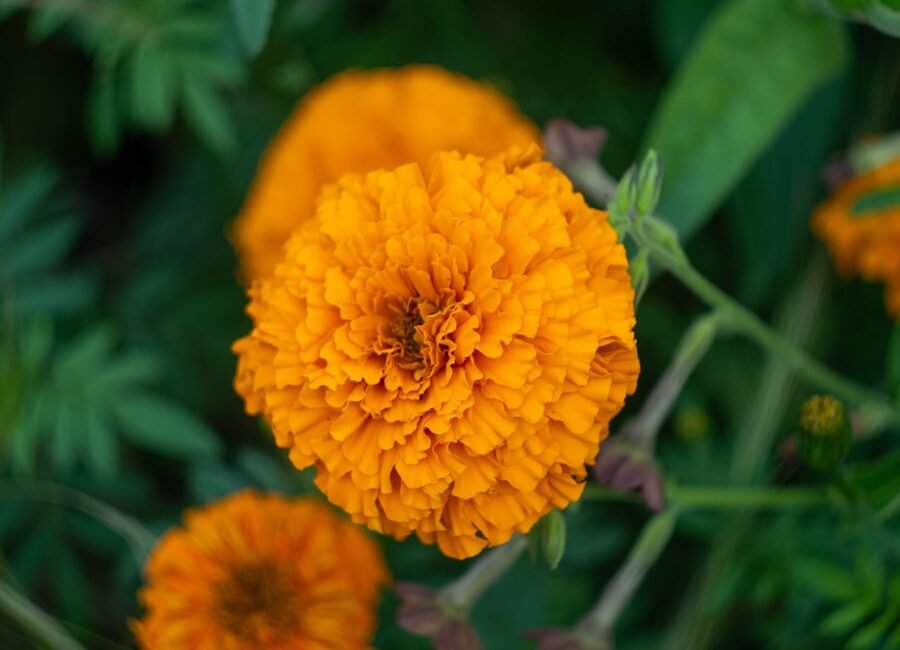

Chrysanthemums, also known as mums, are a flowering plant that has a rich and fascinating history. The plant is native to East Asia, particularly China and Japan, where it has been cultivated for over 2,500 years. In ancient China, chrysanthemums were cultivated as a flowering herb and were believed to have medicinal properties. The plant was also highly revered and was often used as a symbol of nobility and longevity. Chrysanthemums were introduced to Japan in the 8th century, where they quickly became a symbol of the imperial family and the country itself. The Japanese even have a National Chrysanthemum Day, known as the Festival of Happiness, which is celebrated on the 9th day of the 9th month.
In the 17th century, chrysanthemums were introduced to Europe, where they quickly gained popularity. The plant was particularly beloved in England, where it became a symbol of the aristocracy and was often featured in royal gardens. Chrysanthemums were brought to the United States in the 19th century, where they also became a popular garden plant. Today, chrysanthemums are grown and enjoyed all over the world, with thousands of different varieties and cultivars available.
Chrysanthemums in Different Cultures and Traditions
Chrysanthemums have played a significant role in various cultures and traditions around the world. In China, chrysanthemums are associated with the Taoist philosophy of simplicity and humility. The flower is often used in traditional Chinese medicine and is believed to have healing properties. In Japan, chrysanthemums are a symbol of the imperial family and are featured on the country’s imperial crest. The Japanese also have a tradition of chrysanthemum viewing, known as “kiku no sekku,” which takes place in September.
In the United States and Europe, chrysanthemums are often associated with fall and are a popular choice for autumnal decorations. In Australia, chrysanthemums are often used in floral arrangements for Anzac Day, a national day of remembrance. In Korea, chrysanthemums are associated with longevity and are often given as gifts to elderly people. In many cultures, chrysanthemums are also associated with death and are often used in funeral arrangements.
The Symbolism of Chrysanthemums in Art and Literature
Chrysanthemums have long been a popular subject in art and literature, where they are often used to symbolize various emotions and ideas. In Chinese art, chrysanthemums are often depicted as a symbol of nobility and purity. The flower is also associated with the concept of “yang,” representing the sun and positive energy. In Japanese art, chrysanthemums are often used to symbolize the transience of life and the beauty of nature.
In literature, chrysanthemums have been used as a symbol of love, loyalty, and friendship. In John Steinbeck’s famous short story “The Chrysanthemums,” the flower is used to represent the protagonist’s unfulfilled desires and frustrations. In poetry, chrysanthemums are often used to symbolize beauty and elegance. The flower has also been used as a symbol of mourning and remembrance in various cultures.
Chrysanthemums in Feng Shui and Home Decor
In Feng Shui, the ancient Chinese art of harmonizing energy in the environment, chrysanthemums are believed to bring positive energy into the home. The flower is associated with the element of metal and is believed to bring clarity and focus to the mind. Chrysanthemums are often used in Feng Shui to attract good luck and prosperity into the home.
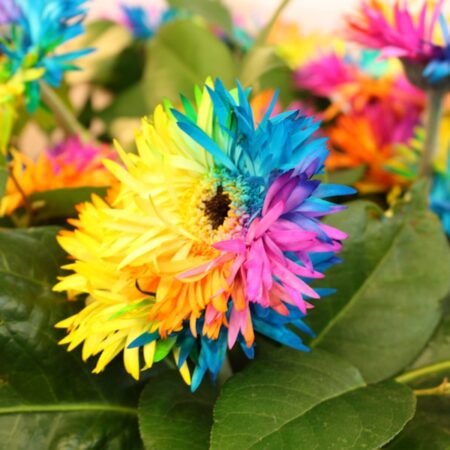
In home decor, chrysanthemums are a popular choice for floral arrangements and centerpieces. The flower’s wide range of colors and shapes make it a versatile choice for any style of decor. Chrysanthemums are often used in fall decorations, where they can add a pop of color to any room. The flower is also a popular choice for wedding decorations, where it is often used in bouquets and table arrangements.
The Role of Chrysanthemums in Celebrations and Festivals
Chrysanthemums play a significant role in various celebrations and festivals around the world. In China, chrysanthemums are celebrated during the Double Ninth Festival, which takes place on the 9th day of the 9th month in the lunar calendar. The festival is also known as Chongyang Festival, and it is a time for people to climb mountains, drink chrysanthemum wine, and wear chrysanthemum flowers to ward off evil spirits.
In Japan, chrysanthemums are celebrated during the Festival of Happiness, which takes place on the 9th day of the 9th month in the Gregorian calendar. The festival is a time for people to enjoy chrysanthemum viewing and to celebrate the beauty of the flower. In Australia, chrysanthemums are often used in floral arrangements for Anzac Day, a national day of remembrance.
Chrysanthemums in Medicine and Healing Practices
Chrysanthemums have been used for centuries in traditional Chinese medicine for their healing properties. The flower is believed to have anti-inflammatory, antibacterial, and antiviral properties, making it a popular choice for treating various ailments. Chrysanthemum tea is often used to treat headaches, fever, and inflammation. The flower is also believed to have calming properties and is often used to promote relaxation and reduce stress.
In Western medicine, chrysanthemums have been studied for their potential health benefits. The flower contains compounds that have been shown to have antioxidant and anti-inflammatory properties. Chrysanthemum extract has also been studied for its potential anti-cancer properties. While more research is needed to fully understand the health benefits of chrysanthemums, the flower continues to be used in various forms of alternative medicine.
How to Care for Chrysanthemums: Growing and Cultivating Tips
Chrysanthemums are relatively easy to grow and care for, making them a popular choice for gardeners of all skill levels. The key to growing healthy chrysanthemums is to provide them with plenty of sunlight and well-drained soil. Chrysanthemums prefer full sun but can tolerate some light shade. They also require regular watering, especially during hot weather.
Chrysanthemums should be planted in well-drained soil that is rich in organic matter. The soil should be kept evenly moist but not waterlogged. It is important to avoid overwatering chrysanthemums, as this can lead to root rot. The plants should also be fertilized regularly with a balanced fertilizer to promote healthy growth.
Chrysanthemums should be pruned regularly to encourage bushy growth and prevent legginess. Deadheading spent flowers will also encourage the plant to produce more blooms. In colder climates, chrysanthemums should be mulched in late fall to protect them from freezing temperatures. With proper care and maintenance, chrysanthemums can provide beautiful blooms year after year.

Other Articles