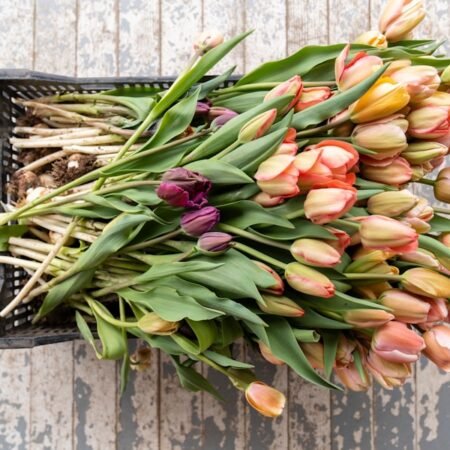

When it comes to choosing the right tulip varieties for your garden, there are a few key factors to consider. First and foremost, you’ll want to think about the climate in which you live. Different tulip varieties thrive in different climates, so it’s important to choose varieties that are well-suited to your specific growing conditions. Additionally, you’ll want to consider the overall aesthetic you’re hoping to achieve in your garden. Tulips come in a wide range of colors, shapes, and sizes, so take some time to think about the look you’re going for and choose varieties that will help you achieve that vision. Finally, consider the bloom time of the tulip varieties you’re considering. By choosing a mix of early, mid, and late-blooming varieties, you can ensure that you’ll have a continuous display of tulips throughout the spring season.
Once you’ve considered these factors, it’s time to start researching specific tulip varieties. Some popular choices include the classic single early tulips, which are known for their large, cup-shaped flowers and early bloom time. Double late tulips, on the other hand, are prized for their peony-like blooms and late-season flowering. For a more modern look, consider parrot tulips, which feature ruffled petals and vibrant colors. And if you’re looking for something truly unique, check out the fringed tulip varieties, which have delicately fringed petals that add an extra layer of interest to your garden. By taking the time to carefully select the right tulip varieties for your garden, you can ensure a stunning display of color and beauty come springtime.
Preparing the Soil and Planting Tulip Bulbs
Once you’ve chosen the perfect tulip varieties for your garden, it’s time to prepare the soil and plant your bulbs. Tulips prefer well-drained soil with a slightly acidic pH, so if your soil is heavy or clay-like, consider amending it with organic matter such as compost or peat moss to improve drainage. It’s also important to choose a sunny location for your tulip bed, as most varieties require at least six hours of sunlight per day to thrive. Once you’ve prepared the soil, it’s time to plant your bulbs. In general, tulip bulbs should be planted in the fall, about six to eight weeks before the first hard frost. This allows the bulbs to establish roots before the ground freezes, ensuring a strong start to the growing season.
When planting your tulip bulbs, be sure to dig a hole that is two to three times deeper than the height of the bulb itself. This will provide enough room for the roots to develop and help prevent the bulbs from being pushed out of the ground by frost heave. Place the bulbs in the hole with the pointed end facing up, and cover them with soil, pressing down gently to remove any air pockets. Space the bulbs about three to six inches apart, depending on the size of the bulb and the variety you’re planting. Once your bulbs are in the ground, water them thoroughly to help settle the soil and encourage root growth. With proper soil preparation and planting techniques, you can set your tulip bulbs up for success and look forward to a beautiful display of blooms in the spring.
Caring for Tulips Throughout the Growing Season
Once your tulip bulbs are planted, it’s important to provide them with proper care throughout the growing season to ensure healthy growth and abundant blooms. One of the most important aspects of caring for tulips is watering. While tulips do require regular moisture, they are susceptible to rot if they are overwatered. To strike the right balance, water your tulips deeply once a week, or more often during dry spells, allowing the soil to dry out slightly between waterings. It’s also important to mulch around your tulip bed to help retain moisture and regulate soil temperature.
In addition to watering, it’s important to fertilize your tulips to provide them with the nutrients they need for strong growth and vibrant blooms. In the spring, when new growth begins to emerge, apply a balanced fertilizer according to package instructions. Be sure to water the fertilizer in thoroughly after application to help it reach the roots of your tulips. As your tulips grow and bloom, it’s also important to deadhead spent flowers to prevent seed production and encourage the plant to put its energy into bulb development rather than seed production. By providing your tulips with proper care throughout the growing season, you can help them reach their full potential and enjoy a stunning display of color in your garden.
Protecting Tulips from Pests and Diseases
While tulips are generally low-maintenance plants, they can be susceptible to a few common pests and diseases that can impact their health and appearance. One of the most common pests that affect tulips is aphids, tiny insects that feed on plant sap and can cause stunted growth and distorted foliage. To prevent aphid infestations, keep an eye out for early signs of damage and use insecticidal soap or neem oil to control populations if necessary. Another common pest that can impact tulips is the bulb mite, which feeds on tulip bulbs and can cause stunted growth and reduced flowering. To prevent bulb mite infestations, inspect bulbs carefully before planting and discard any that show signs of damage or infestation.
In addition to pests, tulips can also be susceptible to a few common diseases, including botrytis blight and tulip fire. Botrytis blight is a fungal disease that causes brown spots on leaves and flowers, while tulip fire is a bacterial disease that causes distorted growth and blackened foliage. To prevent these diseases, it’s important to plant your tulips in well-drained soil and provide good air circulation around plants by spacing them properly. If you notice signs of disease on your tulips, remove affected foliage promptly and dispose of it in the trash to prevent further spread. By staying vigilant for signs of pests and diseases and taking prompt action when necessary, you can help protect your tulips and ensure a healthy, beautiful display in your garden.
Extending the Tulip Season with Succession Planting
While tulips are known for their stunning spring blooms, their flowering period is relatively short-lived. However, by practicing succession planting, you can extend the tulip season and enjoy a longer display of color in your garden. Succession planting involves planting multiple batches of bulbs at different times throughout the fall to stagger their bloom times and create a continuous display of flowers. To get started with succession planting, choose early, mid, and late-blooming varieties of tulips and plant them in separate areas of your garden or in containers.
Begin by planting early-blooming varieties in one area of your garden in early fall, followed by mid-blooming varieties in another area a few weeks later, and finally late-blooming varieties in a third area several weeks after that. By staggering your plantings in this way, you can ensure that you’ll have a continuous display of tulips from early spring through late spring. If you’re planting in containers, simply plant each batch of bulbs in separate containers and place them in a cool location such as an unheated garage or shed until it’s time to bring them out for blooming. With succession planting, you can make the most of the tulip season and enjoy a longer-lasting display of color in your garden.
Harvesting and Storing Tulip Bulbs for Future Seasons
As the spring season comes to an end and your tulips begin to fade, it’s time to start thinking about harvesting and storing your bulbs for future seasons. To begin the process, wait until the foliage has turned yellow and begun to die back before digging up your bulbs. Use a garden fork or trowel to carefully lift the bulbs from the ground, being careful not to damage them in the process. Once your bulbs are out of the ground, gently brush off any excess soil and trim away any remaining foliage.
After harvesting your bulbs, it’s important to cure them before storing them for future use. To do this, spread your bulbs out in a single layer on a tray or screen in a cool, dry location with good air circulation. Allow them to cure for several weeks until the outer skins have dried and become papery in texture. Once cured, store your bulbs in a cool, dark location such as a basement or garage until it’s time to plant them again in the fall. By harvesting and storing your tulip bulbs properly, you can ensure that they’ll be healthy and ready to bloom again when spring rolls around next year.
Showcasing Your Tulip Garden Display: Design and Maintenance Tips
Once your tulips are in full bloom, it’s time to showcase your garden display with some thoughtful design and maintenance tips. One effective way to highlight your tulips is by planting them in large drifts or clusters rather than scattering them throughout your garden. This creates a more impactful display of color and makes a bold statement in your landscape. Additionally, consider incorporating complementary plants such as daffodils or grape hyacinths into your tulip beds to add variety and interest.
In terms of maintenance, be sure to keep an eye on your tulips as they bloom and remove any faded flowers promptly to keep your display looking fresh and vibrant. It’s also important to continue watering and fertilizing your tulips as needed throughout their blooming period to support healthy growth and prolong their flowering time. Finally, consider adding some mulch around your tulip beds to help retain moisture and suppress weeds while providing a finished look to your garden display.
By following these design and maintenance tips, you can showcase your tulip garden display with style and ensure that it remains beautiful throughout its blooming period. With thoughtful planning and care, you can create a stunning showcase of color that will be the envy of all who see it.
In conclusion, growing tulips can be a rewarding experience that brings beauty and color to your garden each spring. By carefully choosing the right varieties for your climate and aesthetic preferences, preparing the soil and planting bulbs properly, providing ongoing care throughout the growing season, protecting against pests and diseases, practicing succession planting for extended blooms, harvesting and storing bulbs for future seasons, and showcasing your garden display with thoughtful design and maintenance tips – you can enjoy a stunning display of tulips year after year. With proper planning and care, you can create a beautiful garden filled with vibrant blooms that will bring joy and delight to all who see it.