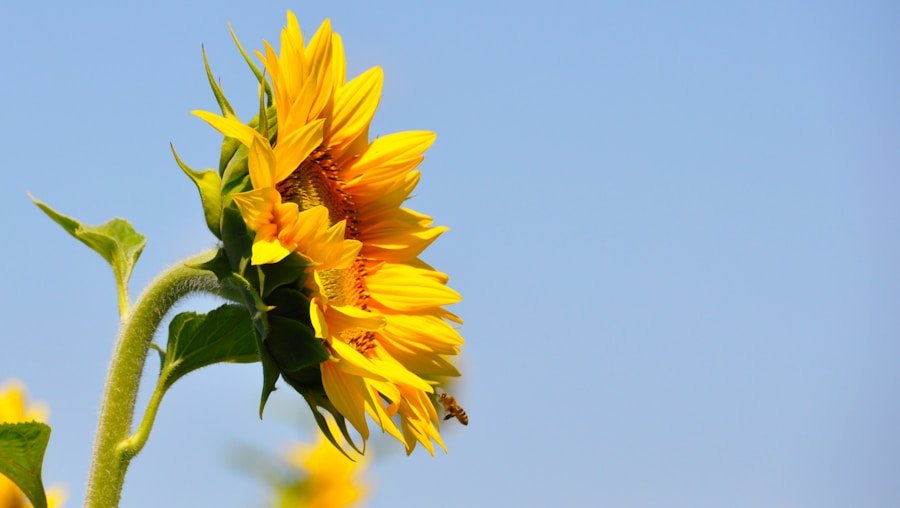

When it comes to choosing the right sunflower variety, there are a few key factors to consider. First and foremost, you’ll want to think about the size of the sunflowers you’d like to grow. If you’re looking to grow giant sunflowers, you’ll want to choose a variety that is known for its height and large flower heads. Some popular giant sunflower varieties include ‘Mammoth Russian’, ‘American Giant’, and ‘Skyscraper’. On the other hand, if you’re looking for a more compact variety, there are plenty of options available as well. ‘Sunspot’, ‘Teddy Bear’, and ‘Music Box’ are all great choices for smaller sunflowers that are perfect for containers or small gardens.
Another important factor to consider when choosing a sunflower variety is the color of the flowers. Sunflowers come in a wide range of colors, including traditional yellow, orange, red, and even bi-colored varieties. Think about the color scheme of your garden and choose a variety that will complement the other plants in your space. Additionally, consider the length of the growing season in your area. Some sunflower varieties have shorter growing seasons and are better suited for cooler climates, while others thrive in hot, sunny conditions. By taking these factors into account, you can choose the perfect sunflower variety for your garden.
Preparing the Soil for Planting
Before planting sunflower seeds, it’s important to prepare the soil to ensure that your sunflowers have the best possible chance of thriving. Sunflowers prefer well-drained soil with a pH level between 6.0 and 7.5. Start by testing the pH of your soil using a simple soil testing kit, which can be purchased at most garden centers. If the pH is too low, you can raise it by adding lime to the soil. Conversely, if the pH is too high, you can lower it by adding sulfur. Once you’ve adjusted the pH of your soil, it’s time to work on improving its texture and fertility.
To improve the texture of your soil, consider adding organic matter such as compost or well-rotted manure. This will help to loosen compacted soil and improve drainage, which is essential for healthy sunflower growth. Additionally, adding organic matter will provide essential nutrients to the soil, which will help to support strong, healthy sunflower plants. Work the organic matter into the soil to a depth of at least 12 inches, using a garden fork or tiller. This will ensure that the organic matter is evenly distributed throughout the soil, providing an ideal growing environment for your sunflowers.
Planting and Watering Sunflower Seeds
Once you’ve prepared the soil, it’s time to plant your sunflower seeds. Sunflowers are typically planted directly in the ground after the last frost date in your area. Before planting, consider the spacing requirements for your chosen sunflower variety. Giant sunflowers typically require more space between plants, while smaller varieties can be planted closer together. Dig a small hole for each seed, approximately 1 inch deep, and place a single seed in each hole. Cover the seeds with soil and water them thoroughly.
After planting your sunflower seeds, it’s important to keep the soil consistently moist until the seeds germinate. This may require watering your sunflowers every day, especially during hot, dry weather. Once the seeds have germinated and the seedlings have established themselves, you can reduce the frequency of watering to every 3-4 days. However, be sure to monitor the moisture level of the soil regularly and adjust your watering schedule as needed. Overwatering can lead to root rot and other issues, so it’s important to strike a balance and provide just enough water to keep your sunflowers healthy and thriving.
Providing Support for Growing Sunflowers
As your sunflowers begin to grow, you may find that they need some additional support to keep them upright and stable. This is especially true for giant sunflowers, which can reach heights of 10 feet or more. One popular method of providing support for growing sunflowers is to use stakes or poles. Simply drive a sturdy stake into the ground next to each sunflower plant and gently tie the main stem of the plant to the stake using soft garden twine. This will help to prevent the plants from toppling over in strong winds or heavy rain.
Another option for supporting growing sunflowers is to use a trellis or other vertical structure. This can be particularly useful for smaller sunflower varieties that may benefit from a little extra support as they grow. You can purchase pre-made trellises at most garden centers, or create your own using wooden stakes and garden twine. Simply position the trellis near your sunflower plants and gently guide the stems as they grow, encouraging them to climb up the structure for added stability.
Fertilizing and Mulching Sunflowers
In addition to providing support for growing sunflowers, it’s important to fertilize and mulch your plants to ensure they have access to essential nutrients and moisture throughout the growing season. Sunflowers are heavy feeders and benefit from regular applications of balanced fertilizer throughout their growth cycle. Look for a fertilizer with a balanced NPK ratio (nitrogen, phosphorus, and potassium) and apply it according to the manufacturer’s instructions. This will help to promote strong root development and healthy flower production.
In addition to fertilizing your sunflowers, consider applying a layer of mulch around the base of each plant. Mulch helps to retain moisture in the soil, suppress weeds, and regulate soil temperature, all of which are beneficial for sunflower growth. Organic mulches such as straw, wood chips, or shredded leaves are ideal for sunflowers, as they will break down over time and contribute valuable organic matter to the soil. Apply a 2-3 inch layer of mulch around each plant, being careful not to cover the stems or crowns of the plants.
Protecting Sunflowers from Pests and Diseases
As your sunflowers grow and mature, it’s important to keep an eye out for common pests and diseases that can affect these plants. One of the most common pests that can damage sunflowers is the sunflower moth, which lays its eggs on the flower heads of sunflowers. The larvae then feed on the developing seeds, causing significant damage to the plants. To protect your sunflowers from this pest, consider covering the flower heads with fine mesh netting once they begin to develop. This will prevent adult moths from laying their eggs on the flowers and reduce the risk of infestation.
In addition to pests, sunflowers are also susceptible to certain diseases such as downy mildew and powdery mildew. These fungal diseases can cause yellowing and wilting of leaves, stunted growth, and reduced flower production. To prevent these diseases from affecting your sunflowers, be sure to provide adequate air circulation around your plants by spacing them properly and avoiding overcrowding. Additionally, avoid overhead watering whenever possible, as this can create conditions that are favorable for fungal growth. If you notice signs of disease on your sunflowers, consider applying a fungicide according to the manufacturer’s instructions to help control the issue.
Harvesting and Enjoying Giant Sunflowers
After months of care and attention, it’s finally time to harvest your giant sunflowers and enjoy their beauty in your home or garden. The best time to harvest sunflowers is when the back of the flower head turns yellow and begins to dry out. At this point, the seeds inside will be fully developed and ready for harvesting. Use a sharp pair of scissors or pruning shears to cut the flower head from the stem, leaving a few inches of stem attached.
Once you’ve harvested your sunflower heads, you can enjoy them in a variety of ways. Consider drying them by hanging them upside down in a warm, dry location for several weeks. Once dried, you can remove the seeds from the flower head and use them for snacking or planting next year’s crop. Alternatively, you can display your sunflower heads as decorative accents in your home or garden, or use them in floral arrangements for a pop of natural beauty.
In conclusion, growing giant sunflowers is a rewarding experience that requires careful planning and attention to detail throughout the growing season. By choosing the right variety, preparing the soil properly, providing support for growing plants, fertilizing and mulching as needed, protecting against pests and diseases, and harvesting at just the right time, you can enjoy beautiful giant sunflowers in your garden year after year. With a little patience and dedication, you can create a stunning display of these iconic flowers that will bring joy and beauty to your outdoor space.