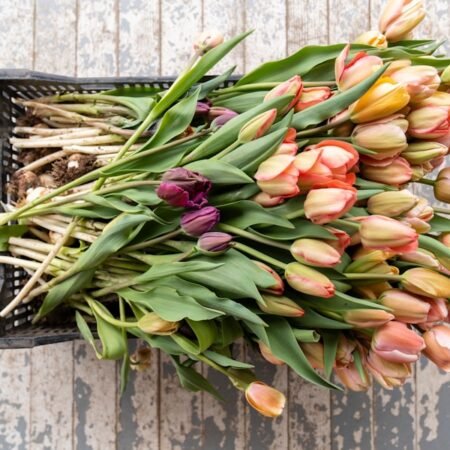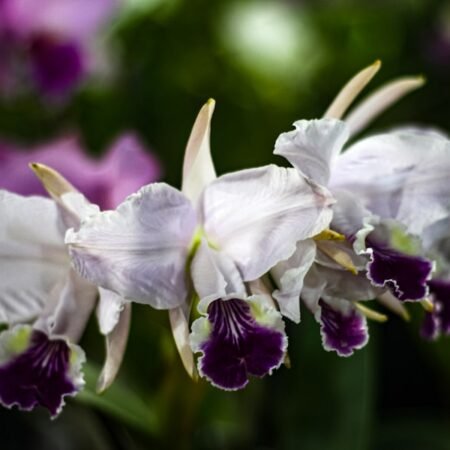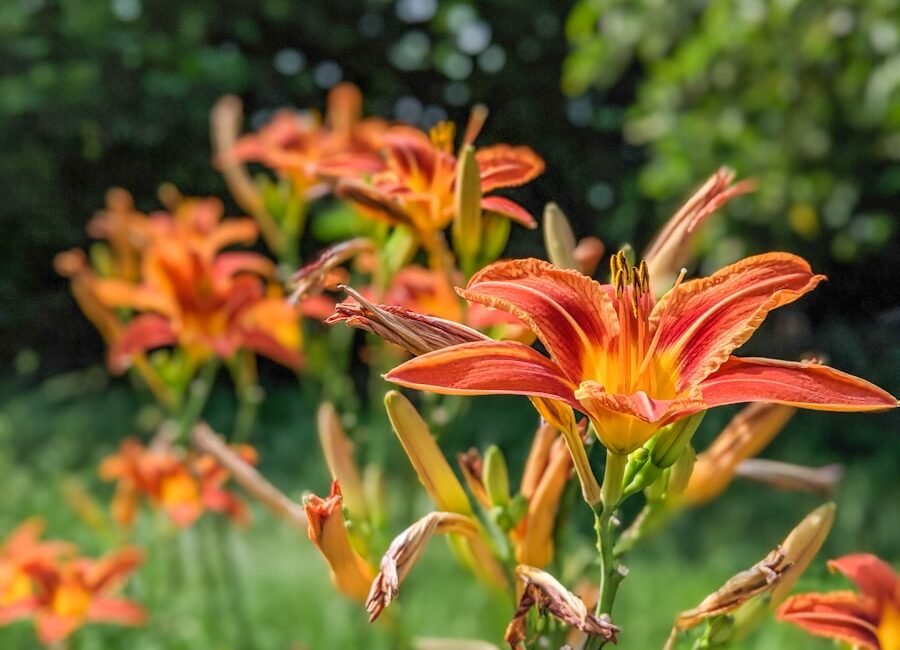

When it comes to growing lilies, choosing the right location is crucial for their success. Lilies thrive in well-drained soil and prefer a location that receives full sun to partial shade. It’s important to select a spot in your garden that gets at least 6 hours of sunlight per day, as this will help the lilies to produce strong, healthy blooms. Additionally, lilies prefer slightly acidic soil with a pH level between 6.0 and 6.5, so it’s a good idea to test your soil before planting to ensure it meets these requirements. When selecting a location for your lilies, it’s also important to consider their height and potential for wind damage. Taller varieties may need to be planted in a sheltered area to protect them from strong winds that could cause them to bend or break. By taking these factors into consideration, you can ensure that your lilies have the best possible chance of thriving in their new home.
When choosing the right location for your lilies, it’s important to consider the overall aesthetic of your garden as well. Lilies are known for their stunning blooms and can make a beautiful focal point in any garden. Consider planting them in a spot where they can be easily admired, such as near a walkway or patio where their fragrance can be enjoyed. Additionally, lilies can be planted in groups or clusters to create a dramatic display of color and texture. When planning the layout of your garden, take into account the height and spread of the lily varieties you have chosen to ensure they have enough space to grow and thrive. By carefully selecting the right location for your lilies, you can create a beautiful and harmonious garden that will be enjoyed for years to come.
Proper Watering Techniques for Healthy Lilies
Proper watering is essential for the health and vitality of lilies. These plants prefer consistently moist soil, but they do not like to sit in waterlogged conditions. When watering your lilies, it’s important to provide them with enough moisture to keep the soil evenly moist, but not waterlogged. This can be achieved by watering deeply once or twice a week, depending on the weather and soil conditions. During hot, dry periods, lilies may require more frequent watering to prevent the soil from drying out completely. It’s also important to water the lilies at the base of the plant to avoid getting the foliage wet, as this can lead to disease and rot. Using a soaker hose or drip irrigation system can help to deliver water directly to the roots of the lilies without wetting the leaves.
In addition to regular watering, it’s important to mulch around the base of the lilies to help retain moisture in the soil. A layer of organic mulch such as shredded bark or compost can help to regulate soil temperature and reduce moisture loss through evaporation. Mulch also helps to suppress weeds, which can compete with lilies for water and nutrients. When applying mulch, be sure to leave a small gap around the base of the plant to prevent rot and disease. By following these proper watering techniques, you can ensure that your lilies receive the moisture they need to thrive and produce beautiful blooms.
Fertilizing Your Lily for Maximum Blooms
Fertilizing is an important aspect of caring for lilies and can help to promote healthy growth and abundant blooms. Lilies are heavy feeders and benefit from regular applications of fertilizer throughout the growing season. When choosing a fertilizer for your lilies, look for a balanced formula such as 10-10-10 or 5-10-10 that contains equal amounts of nitrogen, phosphorus, and potassium. This will provide the lilies with the essential nutrients they need for strong root development, healthy foliage, and prolific blooming. It’s best to apply fertilizer in early spring just as the lilies are beginning to emerge from the ground. This will give them a boost of nutrients to support their growth and development throughout the season.
In addition to spring fertilization, lilies may benefit from a second application of fertilizer in early summer to support their blooming period. Be sure to follow the manufacturer’s instructions for application rates and methods, as over-fertilizing can lead to excessive foliage growth at the expense of blooms. It’s also important to water the lilies thoroughly after applying fertilizer to help distribute the nutrients evenly throughout the soil. By fertilizing your lilies regularly, you can help them reach their full potential and produce an abundance of beautiful blooms.
Pruning and Deadheading for Continued Blooming
Pruning and deadheading are important tasks for maintaining the health and appearance of lilies and encouraging continued blooming throughout the season. Deadheading, or removing spent blooms, is essential for preventing the formation of seed pods and redirecting energy back into the plant for future blooming. As soon as a bloom begins to fade and wilt, it should be removed by cutting it back to where it meets the stem. This will help to keep the plant looking tidy and encourage new buds to form.
In addition to deadheading, pruning can also help to promote continued blooming and maintain the overall health of the plant. After the lilies have finished blooming for the season, it’s a good idea to trim back any yellowing or damaged foliage to improve air circulation and reduce the risk of disease. This will also help to tidy up the appearance of the plant and prepare it for overwintering. By regularly pruning and deadheading your lilies, you can help them stay healthy and vibrant while encouraging them to produce more blooms throughout the season.
Protecting Your Lily from Pests and Diseases
Lilies are susceptible to a variety of pests and diseases that can affect their health and appearance if left untreated. Common pests that may attack lilies include aphids, mites, slugs, and snails, while diseases such as botrytis, powdery mildew, and root rot can also pose a threat. To protect your lilies from pests and diseases, it’s important to monitor them regularly for signs of infestation or infection. Inspect the foliage and blooms for any unusual discoloration, spots, or damage, and take action at the first sign of trouble.
There are several methods for controlling pests on lilies, including handpicking insects off the plants, using insecticidal soap or neem oil sprays, or introducing beneficial insects such as ladybugs or lacewings that feed on pests. To prevent diseases, it’s important to avoid overhead watering that can wet the foliage and create conditions favorable for fungal growth. Proper spacing between plants can also help improve air circulation and reduce the risk of disease. If necessary, fungicides may be used preventatively or as a treatment for fungal infections. By taking proactive measures to protect your lilies from pests and diseases, you can help them stay healthy and beautiful throughout the growing season.
Overwintering Your Lily for Next Year’s Blooms
Properly overwintering your lilies is essential for ensuring their survival and success in the following growing season. In regions with cold winters, lily bulbs should be protected from freezing temperatures by applying a layer of mulch or straw around the base of the plants after they have gone dormant in the fall. This will help insulate the bulbs and protect them from frost damage. In areas with mild winters, lily bulbs may be left in the ground with minimal protection as long as they are well-drained.
If you live in an area with extremely cold winters, you may need to dig up your lily bulbs in the fall and store them indoors until spring. To do this, carefully dig up the bulbs after they have gone dormant and remove any excess soil from them. Allow them to dry for a few days in a cool, dry location before storing them in a paper bag or cardboard box filled with peat moss or vermiculite. Store the bulbs in a cool, dark place such as a basement or garage where temperatures remain above freezing but below 50°F (10°C). Check on them periodically throughout the winter to ensure they remain healthy and free from mold or rot.
Tips for Extending the Blooming Season of Your Lily
While lilies are known for their stunning blooms, their flowering period can be relatively short-lived. However, there are several tips you can follow to extend the blooming season of your lilies and enjoy their beauty for longer. One way to achieve this is by planting different varieties of lilies that bloom at different times throughout the season. By selecting early, mid-season, and late-blooming varieties, you can create a succession of blooms that will keep your garden colorful from spring through late summer.
Another way to extend the blooming season of your lilies is by deadheading spent blooms regularly to encourage new buds to form. This will help prolong the flowering period and keep your plants looking tidy and attractive. Additionally, providing your lilies with proper care throughout the growing season, including regular watering, fertilizing, and pest control, will help them stay healthy and continue blooming for as long as possible.
Finally, consider planting companion plants that bloom at different times alongside your lilies to create a continuous display of color in your garden. Perennials such as daylilies, asters, or coneflowers can complement lilies beautifully while providing additional interest throughout the season. By following these tips for extending the blooming season of your lilies, you can enjoy their beauty for an extended period and create a stunning garden display that will be admired by all who see it.
In conclusion, growing lilies can be a rewarding experience when you provide them with the right care and attention they need to thrive. By choosing the right location for your lilies, providing proper watering techniques, fertilizing them regularly, pruning and deadheading when necessary, protecting them from pests and diseases, overwintering them properly, and following tips for extending their blooming season, you can enjoy beautiful blooms year after year in your garden. With a little effort and knowledge about how to care for these stunning flowers, you can create a vibrant and colorful garden that will be admired by all who see it.