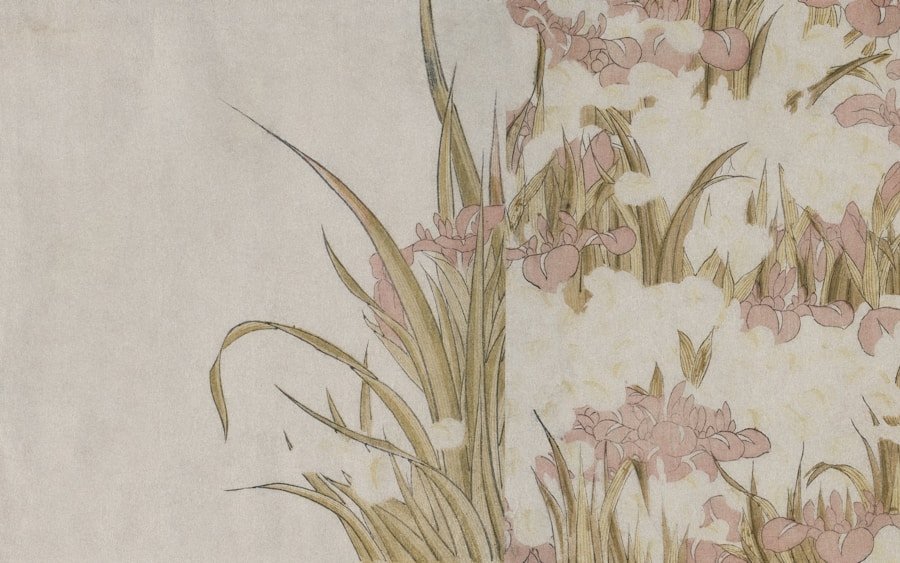

Iris flowers have long been a popular subject in art, and their symbolism has been widely explored by artists throughout history. The delicate and intricate petals of the iris have been used to represent a variety of concepts, including purity, wisdom, and hope. In many paintings, the iris is depicted as a symbol of the divine, with its vibrant colors and graceful form evoking a sense of spirituality and transcendence. The iris has also been used to symbolize the fleeting nature of beauty, as its blooms are short-lived and ephemeral. Artists have often used the iris as a metaphor for the passage of time and the transience of life, creating works that explore themes of mortality and impermanence.
In addition to its symbolic significance, the iris has also been valued for its aesthetic appeal, with its striking appearance and vibrant colors making it a popular choice for artists seeking to capture the beauty of nature. The iris has been featured in countless paintings, drawings, and sculptures, with artists using its distinctive form and color to create visually stunning works of art. Whether used as a central motif or as a decorative element, the iris has played a significant role in the history of art, serving as a source of inspiration for countless artists over the centuries.
The Role of Iris Flowers in Greek Mythology
In Greek mythology, the iris flower is closely associated with the goddess Iris, who was believed to be the messenger of the gods. According to legend, Iris would travel between the heavens and the earth, delivering messages from the gods to mortals. The iris flower was said to have been named after Iris, as its vibrant colors were thought to be reminiscent of the rainbow, which was believed to be the bridge that connected the mortal world to the divine realm. In addition to its association with the goddess Iris, the iris flower also held symbolic significance in Greek mythology, representing communication, connection, and the passage between worlds.
The iris flower was also associated with the goddess Hera, who was often depicted wearing a crown of irises. In Greek mythology, Hera was revered as the queen of the gods and the goddess of marriage and family. The iris flower was believed to be sacred to Hera, and it was often used in religious ceremonies and rituals dedicated to her. In this context, the iris was seen as a symbol of love, fidelity, and devotion, reflecting the qualities that were valued in marriage and family life in ancient Greece.
The Spiritual Significance of Iris Flowers in Different Cultures
The spiritual significance of iris flowers extends beyond Greek mythology and has been recognized in various cultures around the world. In Japan, for example, the iris is associated with courage and strength, and it is often used as a symbol of protection and good fortune. In traditional Japanese culture, irises are often planted near homes and temples to ward off evil spirits and bring blessings to those who live or worship there. The iris is also a popular motif in Japanese art and literature, where it is used to convey themes of resilience and perseverance.
In ancient Egypt, the iris was associated with the goddess Isis, who was revered as a powerful deity associated with magic, healing, and protection. The iris flower was believed to have protective properties, and it was often used in funerary rituals to ensure safe passage to the afterlife. In this context, the iris was seen as a symbol of rebirth and renewal, reflecting its association with the cycle of life and death.
The Use of Iris Flowers in Religious and Spiritual Practices
The use of iris flowers in religious and spiritual practices can be traced back to ancient times, where they were valued for their symbolic significance and healing properties. In many cultures, irises were believed to have protective qualities and were used in rituals and ceremonies to ward off evil spirits and bring blessings to those who participated. In addition to their protective properties, irises were also valued for their medicinal properties, with their roots being used in traditional herbal remedies to treat various ailments.
In Christian tradition, the iris has been associated with the Virgin Mary and has been used as a symbol of her purity and grace. The three petals of the iris were believed to represent faith, wisdom, and valor, reflecting the virtues that were attributed to Mary. In religious art, irises are often depicted alongside images of the Virgin Mary, serving as a visual representation of her divine qualities.
Iris Flowers in Literature and Poetry
Iris flowers have long been a popular subject in literature and poetry, where they have been used to convey a variety of emotions and themes. In many poems, irises are used as symbols of beauty and grace, with their vibrant colors and delicate petals serving as a source of inspiration for poets seeking to capture the fleeting nature of life. The iris has also been used as a metaphor for love and desire, with its alluring appearance evoking feelings of passion and longing.
In addition to their symbolic significance, irises have also been valued for their aesthetic appeal in literature and poetry. Poets have often used irises as a source of inspiration for their work, drawing on their vibrant colors and graceful form to create vivid imagery that captures the beauty of nature. Whether used as a central motif or as a decorative element, irises have played a significant role in the history of literature and poetry, serving as a source of inspiration for countless writers over the centuries.
The Botanical Characteristics of Iris Flowers
The iris is a genus of flowering plants that belong to the Iridaceae family. There are over 300 species of irises found in various parts of the world, with each species exhibiting unique characteristics in terms of size, color, and form. Irises are known for their distinctive flowers, which are characterized by six petal-like segments arranged in a symmetrical pattern. The three outer segments are known as “falls,” while the three inner segments are known as “standards.” Irises come in a wide range of colors, including shades of blue, purple, yellow, white, and pink.
In addition to their striking appearance, irises are also valued for their hardiness and adaptability. They are able to thrive in a variety of environments, from wet marshlands to dry deserts, making them a popular choice for gardeners seeking to add color and texture to their landscapes. Irises are also known for their long blooming period, with some species producing flowers from early spring through late summer. Their ability to thrive in diverse conditions has made irises a popular choice for gardeners around the world.
Contemporary Interpretations of Iris Flowers in Art and Culture
In contemporary art and culture, irises continue to be a popular subject for artists seeking to explore themes of beauty, spirituality, and transience. Artists have continued to draw on the symbolic significance of irises in their work, using their vibrant colors and graceful form to create visually stunning pieces that capture the essence of nature. Irises have also been featured in various forms of popular culture, including fashion, design, and advertising, where they are used to convey a sense of elegance and sophistication.
In addition to their aesthetic appeal, irises have also been valued for their therapeutic properties in contemporary culture. The essential oils extracted from irises are used in aromatherapy to promote relaxation and reduce stress. Irises are also used in traditional medicine to treat various ailments, including headaches, digestive issues, and skin conditions. Their healing properties have made irises a popular choice for those seeking natural remedies for their health and well-being.
In conclusion, irises have played a significant role in art, mythology, spirituality, literature, botany, and contemporary culture throughout history. Their symbolic significance has been widely recognized in various cultures around the world, where they have been valued for their beauty, spirituality, and healing properties. Whether used as a source of inspiration for artists or as a symbol of divine qualities in religious practices, irises continue to captivate our imagination with their vibrant colors and graceful form. Their enduring appeal serves as a testament to their timeless significance in human culture and society.

Other Articles