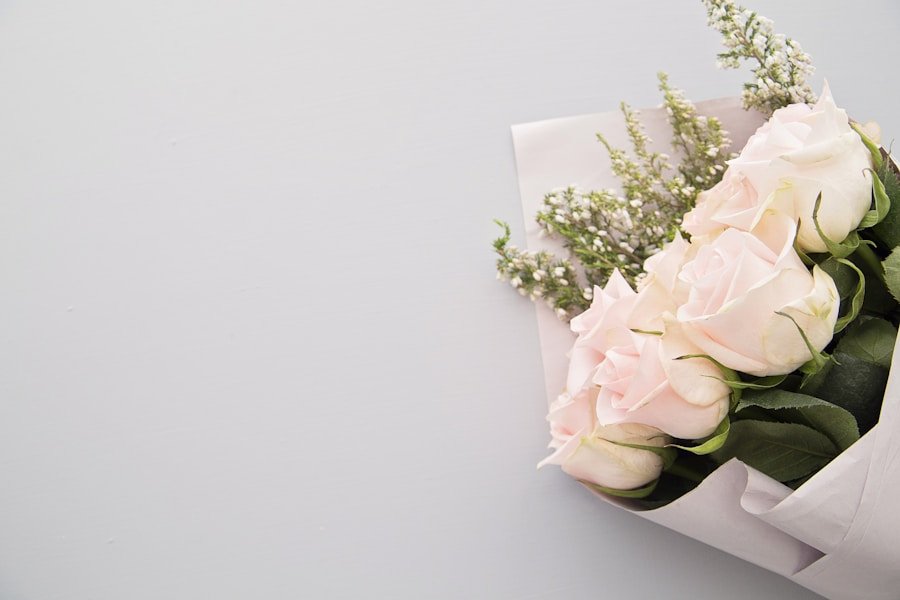

The language of flowers, also known as floriography, has been used as a form of communication for centuries. Its origins can be traced back to ancient civilizations such as the Greeks, Romans, and Egyptians, who used flowers to convey messages and emotions. However, it wasn’t until the Victorian era that the language of flowers gained widespread popularity in Western culture. During this time, flowers were used to express sentiments that could not be spoken aloud, allowing individuals to communicate their feelings in a discreet and meaningful way. The publication of “The Language of Flowers” by Charlotte de Latour in 1819 further popularized the use of flowers as a form of communication, as it provided a comprehensive guide to the meanings and symbolism of different flowers. Since then, the language of flowers has continued to be a significant aspect of floral gifting and has evolved to include a wide range of flowers and their symbolic meanings.
The language of flowers has also been influenced by various cultural and religious beliefs, with different flowers holding different meanings in different parts of the world. For example, in Japan, the cherry blossom is a symbol of beauty and the transience of life, while in China, the peony represents wealth and prosperity. In India, the lotus flower is associated with purity and enlightenment, while in Western cultures, the rose is often used to convey love and affection. The rich history and cultural significance of the language of flowers have made it a timeless and universal form of communication that continues to be cherished and practiced today.
Understanding the Symbolism of Different Flowers
Each flower has its own unique symbolism and meaning, making it important to understand the significance of different flowers when choosing them for a specific occasion. For example, the rose is one of the most well-known flowers in the language of flowers, with each color representing a different sentiment. Red roses symbolize love and passion, while pink roses convey gratitude and admiration. White roses are associated with purity and innocence, while yellow roses represent friendship and joy. Similarly, the lily is often used to symbolize purity and renewal, making it a popular choice for weddings and other celebrations. The daisy is another flower with a rich symbolic meaning, representing innocence, purity, and new beginnings.
It’s also important to consider the cultural and religious significance of different flowers when choosing them for a specific occasion. For example, in Hindu culture, marigolds are often used in religious ceremonies and festivals due to their association with the sun and their vibrant color. In Chinese culture, peonies are highly revered and are often used to symbolize wealth, prosperity, and honor. By understanding the symbolism of different flowers, you can ensure that your floral gift conveys the appropriate message and sentiment for the occasion.
How to Choose the Right Flower for the Occasion
When choosing the right flower for a specific occasion, it’s important to consider the recipient’s preferences, as well as the symbolic meaning of different flowers. For romantic occasions such as anniversaries or Valentine’s Day, red roses are a classic choice that conveys love and passion. For more casual or platonic relationships, yellow roses or daisies may be more appropriate to convey friendship and joy. When selecting flowers for a wedding or bridal shower, lilies or peonies are popular choices that symbolize purity and new beginnings. It’s also important to consider the season when choosing flowers for a specific occasion, as certain flowers may be more readily available or in bloom during certain times of the year.
In addition to considering the recipient’s preferences and the symbolic meaning of different flowers, it’s also important to consider the overall aesthetic and theme of the occasion when choosing flowers. For example, if you’re attending a formal event or dinner party, elegant and sophisticated flowers such as orchids or calla lilies may be more appropriate. For a more casual or rustic event, wildflowers or sunflowers may be a better fit. By taking into account these factors, you can ensure that your floral gift is well-suited to the occasion and will be appreciated by the recipient.
Creating a Personalized Bouquet with Meaning
One way to make a floral gift even more meaningful is to create a personalized bouquet that reflects the recipient’s personality and preferences. This can be achieved by selecting flowers that hold special significance to the recipient or by incorporating their favorite colors or scents into the bouquet. For example, if the recipient has a fondness for a particular flower such as daisies or tulips, including these flowers in the bouquet can add a personal touch and make the gift more meaningful. Similarly, if the recipient has a favorite color or scent, incorporating these elements into the bouquet can make it even more special.
Another way to personalize a bouquet is to consider the recipient’s birth month flower when selecting flowers for the arrangement. Each month is associated with a specific flower that holds its own unique symbolism and meaning. For example, January is associated with carnations, which symbolize admiration and love, while June is associated with roses, which symbolize love and beauty. By incorporating the recipient’s birth month flower into the bouquet, you can create a personalized gift that holds special meaning and significance.
The Art of Pairing Flowers with Gifts
Pairing flowers with other gifts can enhance the overall impact of your gesture and create a more memorable experience for the recipient. When selecting gifts to pair with flowers, it’s important to consider the recipient’s interests and preferences in order to create a thoughtful and meaningful combination. For example, if the recipient enjoys gardening or spending time outdoors, pairing a bouquet of flowers with a potted plant or gardening tools can create a cohesive and thoughtful gift. Similarly, if the recipient has a sweet tooth, pairing flowers with a box of chocolates or gourmet treats can create a delightful and indulgent gift.
Another way to pair flowers with gifts is to consider the occasion when selecting complementary items. For example, for a birthday or anniversary celebration, pairing flowers with a bottle of champagne or wine can create an elegant and celebratory gift. For more casual occasions such as get-well wishes or thank-you gestures, pairing flowers with a thoughtful card or handwritten note can create a heartfelt and personal gift. By carefully considering the recipient’s interests and the occasion when selecting gifts to pair with flowers, you can create a thoughtful and meaningful combination that will be appreciated by the recipient.
Using the Language of Flowers in Everyday Life
The language of flowers can be incorporated into everyday life in various ways to add beauty and meaning to our surroundings. One way to do this is by using flowers as decorative elements in our homes or workspaces. By selecting flowers that hold special significance or convey specific sentiments, we can create an environment that is not only visually appealing but also emotionally uplifting. For example, incorporating lilies into our home decor can create an atmosphere of purity and renewal, while adding sunflowers can bring joy and positivity into our surroundings.
Another way to incorporate the language of flowers into everyday life is by using them as gifts for special occasions or gestures of appreciation. Whether it’s sending a bouquet of flowers to congratulate a friend on an achievement or expressing gratitude with a thoughtful floral arrangement, using flowers as gifts can convey sentiments that words alone cannot express. By understanding the symbolic meaning of different flowers and selecting them thoughtfully for specific occasions, we can use the language of flowers to create meaningful connections and strengthen our relationships with others.
Tips for Preserving the Meaning of Flowers as Gifts
When giving flowers as gifts, it’s important to take steps to preserve their meaning and symbolism in order to ensure that they are received and appreciated as intended. One way to do this is by selecting high-quality and fresh flowers that are in peak condition when they are given. This not only ensures that the recipient receives beautiful and long-lasting blooms but also conveys thoughtfulness and care in selecting the gift. Additionally, it’s important to consider the care instructions for different types of flowers in order to ensure that they remain vibrant and beautiful for as long as possible.
Another tip for preserving the meaning of flowers as gifts is to include a note or card that explains the symbolism and significance of the chosen flowers. This can help convey your intentions behind the gift and provide context for the recipient to understand its meaning. Additionally, including a personal message or sentiment along with the floral gift can further enhance its meaning and create a more memorable experience for the recipient. By taking these steps to preserve the meaning of flowers as gifts, you can ensure that your gesture is received and appreciated as intended.
In conclusion, the language of flowers is a timeless form of communication that has been used for centuries to convey sentiments and emotions through floral gifts. Understanding the history and symbolism of different flowers can help us choose the right flower for any occasion and create personalized bouquets with meaning. Pairing flowers with gifts can enhance their impact and create more memorable experiences for recipients, while incorporating the language of flowers into everyday life can add beauty and meaning to our surroundings. By taking steps to preserve the meaning of flowers as gifts, we can ensure that our gestures are received and appreciated as intended, creating meaningful connections with others through this beautiful form of communication.

Other Articles

The Poppy Flower: A Timeless Emblem of Remembrance and Honor