Humidity plays a crucial role in the care and maintenance of flowers. It refers to the amount of moisture present in the air, and it can have a significant impact on the health and longevity of flowers. Proper humidity levels are essential for ensuring that flowers remain fresh and vibrant for as long as possible. Without the right humidity, flowers can wilt, dry out, or become susceptible to mold and mildew. Therefore, understanding the importance of humidity in flower care is essential for anyone who wants to keep their floral arrangements looking beautiful and healthy.
In addition to affecting the physical appearance of flowers, humidity also plays a role in their respiration and transpiration processes. These processes are essential for the overall health and vitality of flowers, and they rely on the presence of adequate moisture in the air. Without the right humidity levels, flowers may struggle to take in water and nutrients, leading to wilting and decay. Therefore, maintaining the ideal humidity is crucial for ensuring that flowers can thrive and flourish.
How Humidity Affects the Health and Longevity of Flowers
Humidity has a direct impact on the health and longevity of flowers. When the air is too dry, flowers can quickly lose moisture through their petals and leaves, leading to wilting and dehydration. On the other hand, excessive humidity can create a breeding ground for mold and mildew, which can quickly spread and cause flowers to rot. Therefore, finding the right balance of humidity is essential for ensuring that flowers remain healthy and vibrant for as long as possible.
In addition to affecting the physical appearance of flowers, humidity also plays a role in their overall health and vitality. When the air is too dry, flowers may struggle to take in water and nutrients, leading to stunted growth and poor overall health. Conversely, excessive humidity can create an environment where bacteria and fungi thrive, leading to diseases that can quickly spread throughout a flower arrangement. Therefore, maintaining the ideal humidity levels is crucial for ensuring that flowers can remain healthy and vibrant for as long as possible.
The Role of Humidity in Flower Respiration and Transpiration
Humidity plays a crucial role in the respiration and transpiration processes of flowers. Respiration refers to the process by which flowers take in oxygen and release carbon dioxide, while transpiration refers to the process by which they take in water and nutrients through their roots and release moisture through their leaves. Both of these processes rely on the presence of adequate moisture in the air, making humidity a critical factor in the overall health and vitality of flowers.
When the air is too dry, flowers may struggle to take in water and nutrients through their roots, leading to stunted growth and poor overall health. Conversely, excessive humidity can create an environment where moisture cannot evaporate from the leaves, leading to a buildup of excess water that can cause rot and decay. Therefore, maintaining the ideal humidity levels is crucial for ensuring that flowers can effectively carry out their respiration and transpiration processes.
Tips for Maintaining the Ideal Humidity Levels for Different Types of Flowers
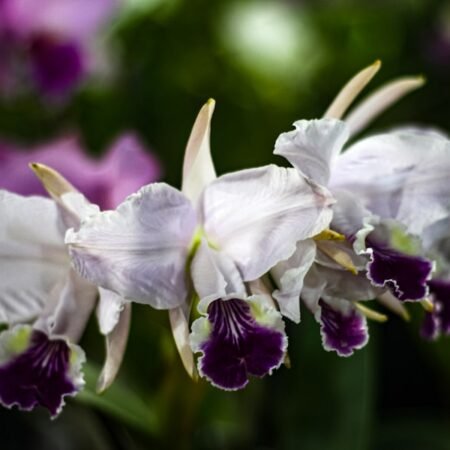
Maintaining the ideal humidity levels for different types of flowers requires careful attention to their specific needs. Some flowers, such as orchids and tropical plants, thrive in high humidity environments, while others, such as roses and carnations, prefer lower humidity levels. Therefore, it is essential to research the specific humidity requirements of each type of flower and adjust the environment accordingly.
One way to maintain the ideal humidity levels for flowers is to use a humidifier or dehumidifier to adjust the moisture content in the air. This can be particularly useful for indoor environments where natural humidity levels may fluctuate throughout the day. Additionally, placing a tray of water near flower arrangements can help to increase local humidity levels, while using a fan or air conditioning unit can help to reduce excessive moisture in the air.
The Impact of Humidity on Flower Arrangements and Displays
Humidity can have a significant impact on flower arrangements and displays. When the air is too dry, flowers may wilt and lose their vibrant colors more quickly, leading to a shorter display life. On the other hand, excessive humidity can cause flowers to become limp and soggy, making them less visually appealing. Therefore, maintaining the ideal humidity levels is crucial for ensuring that flower arrangements and displays remain fresh and beautiful for as long as possible.
In addition to affecting the physical appearance of flowers, humidity can also impact the overall design and structure of flower arrangements. When the air is too dry, delicate flowers may become brittle and prone to breakage, making it challenging to create intricate designs. Conversely, excessive humidity can cause flowers to become limp and difficult to work with, making it challenging to create visually appealing arrangements. Therefore, maintaining the ideal humidity levels is essential for ensuring that flower arrangements and displays can be created and maintained with ease.
How to Control Humidity in Indoor Environments for Flower Care
Controlling humidity in indoor environments is essential for ensuring that flowers remain healthy and vibrant. One way to control humidity is by using a humidifier or dehumidifier to adjust the moisture content in the air. This can be particularly useful for indoor environments where natural humidity levels may fluctuate throughout the day. Additionally, placing a tray of water near flower arrangements can help to increase local humidity levels, while using a fan or air conditioning unit can help to reduce excessive moisture in the air.
Another way to control humidity in indoor environments is by using proper ventilation and air circulation. Opening windows or using fans can help to increase airflow and reduce excessive moisture in the air, while using air conditioning units or dehumidifiers can help to remove excess moisture from indoor environments. Additionally, using moisture-resistant materials for flower arrangements and displays can help to prevent mold and mildew from forming in high humidity environments.
The Future of Flower Care: Innovations in Humidity Control Technology
The future of flower care is likely to see continued innovations in humidity control technology. As technology continues to advance, new methods for controlling humidity in indoor environments are likely to emerge, making it easier than ever to maintain the ideal conditions for flower care. For example, smart home devices that monitor and adjust humidity levels automatically are becoming increasingly popular, allowing users to maintain optimal conditions without constant monitoring.
Additionally, advancements in materials science are likely to lead to new types of flower containers and displays that are better able to regulate humidity levels. For example, moisture-resistant materials that prevent mold and mildew from forming are likely to become more common, making it easier than ever to maintain healthy flower arrangements in high humidity environments. Overall, as technology continues to advance, innovations in humidity control technology are likely to play a significant role in shaping the future of flower care.
In conclusion, humidity plays a crucial role in flower care, affecting everything from their physical appearance to their overall health and vitality. Maintaining the ideal humidity levels is essential for ensuring that flowers remain fresh and vibrant for as long as possible. By understanding the importance of humidity in flower care and implementing proper techniques for controlling it, anyone can ensure that their floral arrangements remain beautiful and healthy. As technology continues to advance, innovations in humidity control technology are likely to play a significant role in shaping the future of flower care, making it easier than ever to maintain optimal conditions for floral displays.