
Flowers have been used as symbols in various cultures and societies throughout history. In ancient Egypt, for example, the lotus flower was a symbol of rebirth and creation, while in ancient Greece, the rose was associated with love and beauty. In the Victorian era, the language of flowers, also known as floriography, became popular as a way to convey messages and emotions through the use of specific flowers. Flowers have also been used in religious and spiritual practices, such as in Hinduism where the lotus flower is a symbol of purity and enlightenment. The symbolism of flowers has evolved over time, but their significance in human culture has remained constant.
Throughout history, flowers have been used to convey a wide range of emotions and messages. From love and friendship to sympathy and gratitude, flowers have been used as a means of expressing feelings that words alone cannot convey. In many cultures, specific flowers are associated with certain meanings and are used in rituals and ceremonies to symbolize these emotions. The symbolism of flowers has been passed down through generations, and continues to play a significant role in modern society.
Understanding the Language of Flowers
The language of flowers, also known as floriography, is a form of communication that uses flowers to convey messages and emotions. Each flower has its own unique meaning, and when combined with other flowers, they can create a complex and nuanced message. For example, the red rose is a symbol of love and passion, while the white lily represents purity and innocence. By understanding the language of flowers, one can create personalized bouquets that convey specific emotions and sentiments.
Floriography became popular in the Victorian era, when it was considered improper for people to express their feelings openly. As a result, people turned to the language of flowers as a way to communicate their emotions without speaking directly. Books were published that detailed the meanings of different flowers, allowing people to create bouquets with hidden messages. While the language of flowers may not be as widely practiced today, it still holds significance for those who wish to convey meaningful messages through the art of floral arrangement.
Exploring the Meaning of Popular Flowers in Bouquets
When creating a bouquet, it is important to consider the meanings of the flowers being used. Different flowers hold different meanings, and by understanding these meanings, one can create a bouquet that conveys a specific message or emotion. For example, the daisy is a symbol of innocence and purity, making it an ideal choice for a bouquet given to a young child or someone celebrating a milestone. The sunflower represents adoration and loyalty, making it a meaningful choice for a bouquet given to a loved one.
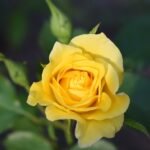
Roses are perhaps the most popular flower used in bouquets, and each color holds its own unique meaning. Red roses symbolize love and passion, while yellow roses represent friendship and joy. White roses are a symbol of purity and innocence, making them a popular choice for weddings and other ceremonial events. By understanding the meanings of popular flowers in bouquets, one can create arrangements that hold deep significance and convey specific emotions.
The Cultural Significance of Flowers in Different Countries
Flowers hold cultural significance in many countries around the world. In Japan, for example, cherry blossoms are a symbol of beauty and the transient nature of life. The annual cherry blossom festival, known as Hanami, is a time for people to gather and celebrate the beauty of these delicate flowers. In India, marigolds are used in religious ceremonies and festivals as a symbol of prosperity and good fortune. In Mexico, the Day of the Dead festival is marked by the use of marigolds to honor deceased loved ones.
In many cultures, specific flowers are used in traditional rituals and ceremonies to symbolize important aspects of life. In China, peonies are a symbol of wealth and prosperity, and are often used in weddings to bring good fortune to the newlyweds. In Hawaii, the hibiscus flower is a symbol of hospitality and friendship, and is often given as a welcoming gift to visitors. The cultural significance of flowers varies from country to country, but their importance in traditional customs and celebrations is universal.
How to Use Flowers to Convey Emotions and Messages
Flowers have long been used as a means of conveying emotions and messages. Whether it’s expressing love and affection or offering condolences and sympathy, flowers have the ability to communicate feelings in a way that words alone cannot. When choosing flowers to convey a specific emotion or message, it’s important to consider the meanings associated with different flowers. For example, if you want to express love and passion, red roses are an ideal choice. If you want to convey sympathy and support, lilies or chrysanthemums are often used in funeral arrangements.
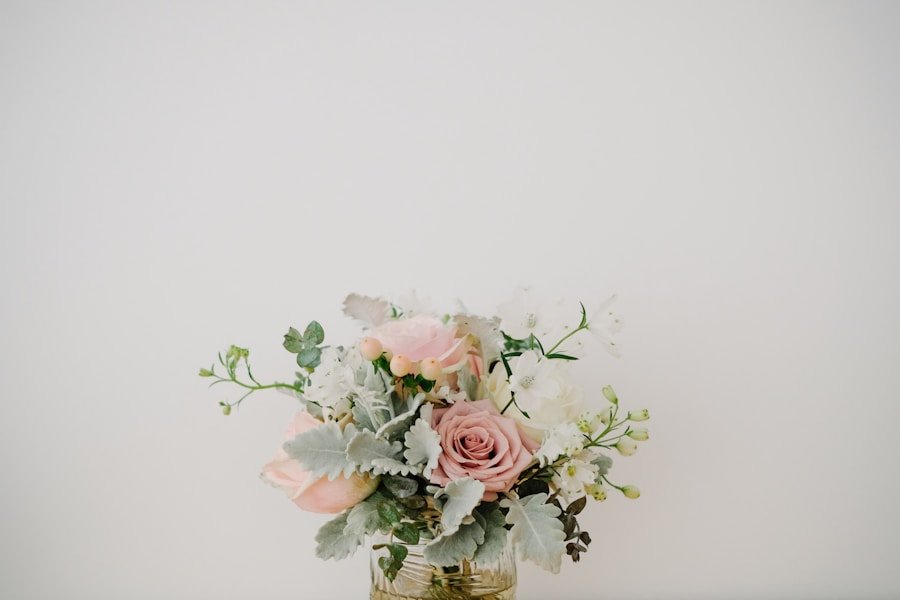
In addition to choosing the right flowers, the arrangement and presentation of the bouquet can also convey specific messages. For example, a bouquet with long-stemmed roses arranged in an elegant vase may convey a more formal and romantic message, while a hand-tied bouquet of wildflowers may convey a more casual and carefree sentiment. By understanding how to use flowers to convey emotions and messages, one can create meaningful arrangements that speak volumes without saying a word.
The Psychological Effects of Flowers on Mood and Well-being
Research has shown that flowers have a positive impact on mood and well-being. A study conducted by Harvard University found that people who received flowers reported feeling happier and more satisfied with their lives. The presence of flowers has also been shown to reduce stress and anxiety, leading to improved mental health. The color and fragrance of flowers can have a powerful effect on mood, with bright colors such as yellow and orange evoking feelings of joy and optimism.
In addition to their psychological effects, flowers have also been shown to have physical health benefits. Studies have found that hospital patients who had flowers in their rooms reported lower levels of pain and anxiety compared to those without flowers. The presence of flowers has also been linked to faster recovery times and lower blood pressure. The psychological and physical effects of flowers on mood and well-being highlight their importance in promoting overall health and happiness.
Tips for Creating Personalized Bouquets with Meaningful Flowers
When creating personalized bouquets with meaningful flowers, it’s important to consider the recipient’s preferences and the message you want to convey. Start by choosing flowers that hold significance for the recipient or represent their personality or interests. For example, if they have a favorite flower or color, incorporate it into the bouquet to make it more personal. Consider the meanings associated with different flowers and choose ones that align with the message you want to convey.
In addition to choosing meaningful flowers, consider the arrangement and presentation of the bouquet. Think about the recipient’s style and preferences when selecting the vase or container for the bouquet. Consider adding personal touches such as ribbons or decorative accents that hold special meaning for the recipient. By taking these factors into consideration, you can create personalized bouquets that hold deep significance and convey heartfelt messages.
In conclusion, the symbolism of flowers has played a significant role throughout history, serving as a means of communication, expression, and celebration in various cultures around the world. Understanding the language of flowers allows us to create personalized bouquets that convey specific emotions and messages. The cultural significance of flowers varies from country to country, but their importance in traditional customs and celebrations is universal. Flowers have the ability to convey emotions and messages in a way that words alone cannot, making them an invaluable tool for expressing love, gratitude, sympathy, and more. The psychological effects of flowers on mood and well-being highlight their importance in promoting overall health and happiness. By following these tips for creating personalized bouquets with meaningful flowers, we can continue to use this timeless tradition as a way to connect with others on a deeper level.

Other Articles