
The language of flowers, also known as floriography, is a form of communication through the use of flowers and their symbolic meanings. This art form has been practiced for centuries and has been used to convey a wide range of emotions and messages. Each flower has its own unique symbolism, and the way in which they are arranged and presented can convey specific meanings. The language of flowers has been used in various cultures around the world, and it continues to be a popular way to express emotions and sentiments in modern times.
Flower symbolism has been an integral part of human communication for centuries, with evidence of its use dating back to ancient civilizations such as the Greeks, Romans, and Egyptians. In Victorian England, the language of flowers reached the height of its popularity, with entire dictionaries dedicated to the meanings of different flowers. During this time, people would use flowers to express feelings that could not be spoken aloud, and the giving and receiving of flowers became a highly symbolic act. Today, the language of flowers continues to be a meaningful and powerful way to convey emotions, particularly in the context of friendship and loyalty.
Historical Significance of Flower Symbolism in Friendship and Loyalty
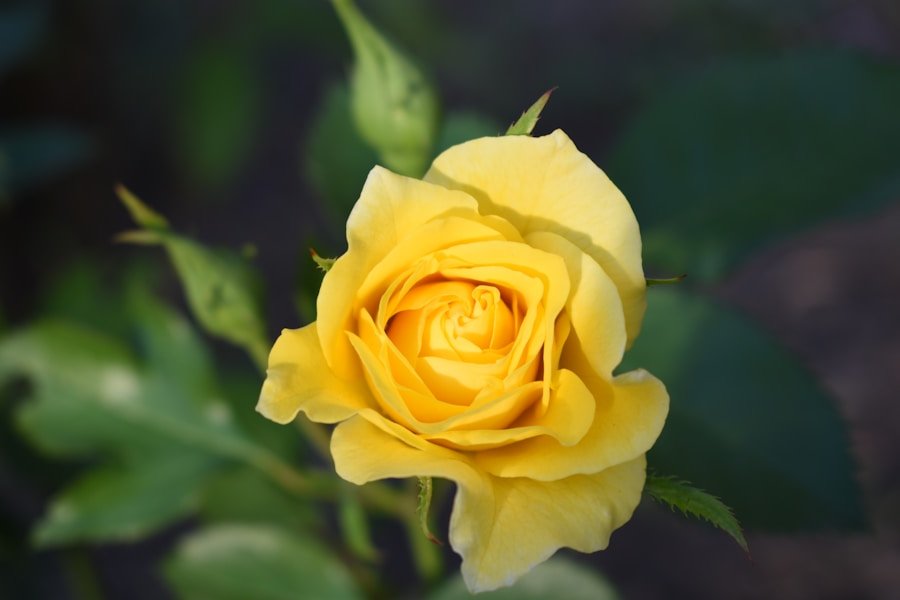
The use of flower symbolism in expressing friendship and loyalty has a rich historical significance that spans across cultures and time periods. In ancient Greece, for example, the giving of a yellow rose was a symbol of friendship, while in medieval Europe, the giving of a red carnation was a sign of loyalty. In Victorian England, the language of flowers was used to convey complex emotions and sentiments, with specific flowers being associated with friendship and loyalty. The historical significance of flower symbolism in friendship and loyalty is a testament to the enduring power of this art form in human relationships.
Throughout history, flowers have been used as a means of expressing friendship and loyalty in various cultures around the world. In Japan, for example, the chrysanthemum is a symbol of friendship, while in China, the peony is associated with loyalty. In Native American culture, the giving of a gift of sweetgrass is a symbol of friendship and trust. The historical significance of flower symbolism in friendship and loyalty is a reflection of the universal appeal and relevance of this art form in human relationships.
Popular Flowers and Their Symbolism in Friendship
There are many popular flowers that are associated with friendship and have specific symbolic meanings. One such flower is the yellow rose, which has long been a symbol of friendship and joy. The sunflower is another popular flower that is associated with friendship, as it represents adoration and loyalty. The daisy is also a well-known symbol of friendship, representing innocence and purity. These flowers are often used to convey feelings of warmth, happiness, and affection in the context of friendship.
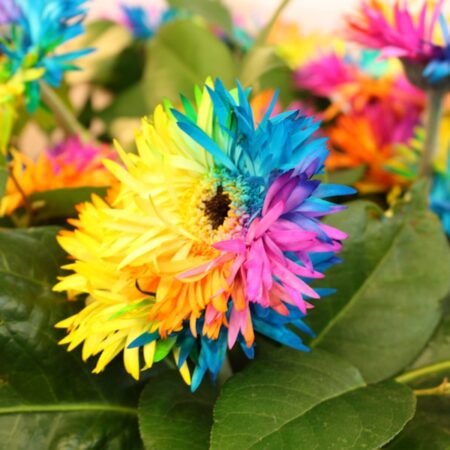
Another popular flower that is associated with friendship is the iris, which symbolizes faith and hope. The gerbera daisy is also a popular choice for expressing friendship, as it represents cheerfulness and positivity. The hydrangea is another flower that is often associated with friendship, as it symbolizes understanding and heartfelt emotions. These popular flowers are often used to convey feelings of appreciation, support, and camaraderie in the context of friendship.
Popular Flowers and Their Symbolism in Loyalty
In addition to friendship, there are also many popular flowers that are associated with loyalty and have specific symbolic meanings. One such flower is the forget-me-not, which has long been a symbol of true love and remembrance. The bluebell is another popular flower that is associated with loyalty, as it represents constancy and everlasting love. The violet is also a well-known symbol of loyalty, representing faithfulness and devotion. These flowers are often used to convey feelings of commitment, trust, and steadfastness in the context of loyalty.
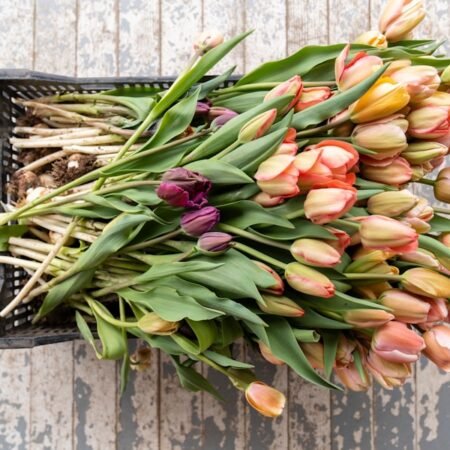
Another popular flower that is associated with loyalty is the daffodil, which symbolizes new beginnings and rebirth. The tulip is also a popular choice for expressing loyalty, as it represents perfect love and eternal happiness. The anemone is another flower that is often associated with loyalty, as it symbolizes anticipation and protection. These popular flowers are often used to convey feelings of dedication, fidelity, and unwavering support in the context of loyalty.
How to Use Flower Symbolism in Expressing Friendship and Loyalty
There are many ways to use flower symbolism in expressing friendship and loyalty. One way is to choose specific flowers that are associated with these sentiments and present them as gifts to friends or loved ones. For example, giving a bouquet of yellow roses or sunflowers can convey feelings of warmth and affection in the context of friendship. Similarly, giving a bouquet of forget-me-nots or violets can convey feelings of commitment and devotion in the context of loyalty.
Another way to use flower symbolism in expressing friendship and loyalty is to incorporate these flowers into various forms of art and decoration. For example, creating floral arrangements or wreaths using specific flowers that are associated with friendship or loyalty can serve as meaningful expressions of these sentiments. Additionally, using these flowers as motifs in artwork or jewelry can also be a powerful way to convey feelings of friendship and loyalty.
Cultural Variations in Flower Symbolism for Friendship and Loyalty
There are many cultural variations in flower symbolism for friendship and loyalty, with different flowers being associated with these sentiments in various cultures around the world. For example, in Japan, the cherry blossom is a symbol of friendship, while in India, the marigold is associated with loyalty. In Mexico, the cempasuchil (marigold) is used to honor deceased loved ones as a symbol of remembrance and everlasting love. These cultural variations reflect the diverse ways in which flower symbolism is used to express emotions and sentiments in different parts of the world.
In addition to specific flowers being associated with friendship and loyalty in different cultures, there are also variations in the ways in which these flowers are used and presented. For example, in some cultures, it is customary to present flowers in specific numbers or arrangements to convey particular meanings. In other cultures, certain colors or combinations of flowers may hold specific symbolic significance in the context of friendship and loyalty. These cultural variations highlight the rich diversity and complexity of flower symbolism in human relationships.
The Enduring Power of Flower Symbolism in Relationships
In conclusion, the language of flowers continues to be an enduring and powerful way to express emotions and sentiments in the context of friendship and loyalty. The historical significance of flower symbolism in human relationships reflects its universal appeal and relevance across cultures and time periods. Whether through specific flowers that are associated with friendship or loyalty, or through cultural variations in flower symbolism, this art form continues to be a meaningful and impactful way to convey feelings of warmth, affection, commitment, and devotion. As we continue to navigate the complexities of human relationships, the language of flowers serves as a timeless reminder of the enduring power of nature’s beauty to communicate our deepest emotions.