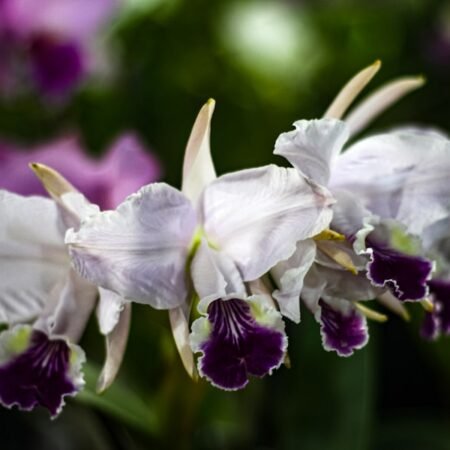

When it comes to creating an indoor flower garden, the first step is to choose the right plants. There are a wide variety of flowering plants that can thrive indoors, but it’s important to select ones that are well-suited to the conditions in your home. Some popular choices for indoor flower gardens include African violets, orchids, peace lilies, and begonias. These plants are known for their beautiful blooms and relatively low maintenance requirements, making them ideal for indoor gardening.
When selecting plants for your indoor flower garden, it’s important to consider the amount of light and humidity in your home. Some plants, like African violets, prefer bright, indirect light, while others, like peace lilies, can tolerate lower light conditions. Additionally, some plants require more humidity than others, so it’s important to choose plants that will thrive in the environment you can provide. By doing a little research and selecting the right plants for your indoor flower garden, you can set yourself up for success and enjoy beautiful blooms year-round.
Selecting the Perfect Containers and Soil
Once you’ve chosen the right plants for your indoor flower garden, the next step is to select the perfect containers and soil. When it comes to containers, there are a wide variety of options to choose from, including traditional clay pots, decorative ceramic planters, and hanging baskets. It’s important to select containers that are the right size for your plants and have proper drainage to prevent waterlogged soil. Additionally, consider the aesthetic of your indoor space and choose containers that complement your decor.
In addition to selecting the right containers, it’s important to choose the right soil for your indoor flower garden. Most flowering plants prefer a well-draining potting mix that is rich in organic matter. You can find pre-mixed potting soils specifically formulated for flowering plants at your local garden center or create your own mix using ingredients like peat moss, perlite, and compost. By selecting the perfect containers and soil for your indoor flower garden, you can provide your plants with the best possible growing conditions and set them up for success.
Understanding Light and Water Needs for Your Blooming Beauties
Understanding the light and water needs of your blooming beauties is crucial to their success in an indoor flower garden. Different plants have different requirements when it comes to light and water, so it’s important to do your research and provide the right conditions for each plant. In general, most flowering plants prefer bright, indirect light, so it’s important to place them in a location where they will receive plenty of natural light without being exposed to direct sunlight, which can scorch their delicate leaves and flowers.
When it comes to watering your indoor flower garden, it’s important to strike a balance between keeping the soil evenly moist and avoiding waterlogged conditions. Most flowering plants prefer to dry out slightly between waterings, so it’s important not to overwater them. Additionally, some plants are more sensitive to chlorine and other chemicals found in tap water, so it’s a good idea to use filtered or distilled water when watering your indoor flower garden. By understanding the light and water needs of your blooming beauties, you can provide them with the best possible growing conditions and help them thrive.
Planting and Arranging Your Mini Indoor Flower Garden
Once you’ve chosen the right plants, containers, and soil for your indoor flower garden, it’s time to plant and arrange your mini oasis of blooms. When planting your flowering plants, it’s important to handle them gently and avoid damaging their delicate roots and foliage. Carefully remove each plant from its nursery pot and gently loosen the roots before placing it in its new container. Be sure to plant each flower at the same depth it was growing in its original pot and gently pat down the soil around the roots to secure the plant in its new home.
When arranging your mini indoor flower garden, consider the aesthetic of your space and how you want your blooms to be displayed. You can create a focal point with a single large plant or group several smaller plants together for a lush, full look. Additionally, consider the height and spread of each plant and arrange them in a way that allows each one to receive adequate light and air circulation. By planting and arranging your mini indoor flower garden thoughtfully, you can create a beautiful display that brings joy and beauty to your home.
Caring for Your Blooming Beauties: Pruning, Fertilizing, and Pest Control
Caring for your blooming beauties is an ongoing process that involves regular maintenance tasks like pruning, fertilizing, and pest control. Pruning is an important part of caring for flowering plants as it helps promote healthy growth and encourages more blooms. Use clean, sharp scissors or pruning shears to remove dead or yellowing leaves, spent flowers, and any leggy growth. Additionally, you can pinch back new growth to encourage bushier, more compact growth and more abundant blooms.
In addition to pruning, fertilizing is an important part of caring for your indoor flower garden. Most flowering plants benefit from regular applications of a balanced liquid fertilizer during their active growing season. Be sure to follow the instructions on the fertilizer label and avoid over-fertilizing, which can lead to salt buildup in the soil and damage your plants. Additionally, be sure to use a fertilizer specifically formulated for flowering plants to provide them with the nutrients they need to produce healthy blooms.
Finally, pest control is an important aspect of caring for your blooming beauties. Keep an eye out for common indoor pests like aphids, mealybugs, and spider mites, which can damage your plants if left unchecked. If you notice any signs of pest infestation, such as yellowing leaves or sticky residue on the foliage, take action immediately to prevent further damage. You can use natural remedies like neem oil or insecticidal soap to control pests or introduce beneficial insects like ladybugs to help keep pest populations in check. By caring for your blooming beauties through regular pruning, fertilizing, and pest control, you can help them stay healthy and vibrant.
Troubleshooting Common Issues with Indoor Flower Gardens
Even with the best care, indoor flower gardens can sometimes experience common issues like yellowing leaves, wilting flowers, or pest infestations. When troubleshooting issues with your indoor flower garden, it’s important to take a systematic approach to identify the underlying cause of the problem. Start by checking the light and water conditions in your home to ensure that your plants are receiving the right amount of each. If you notice any signs of overwatering or underwatering, adjust your watering schedule accordingly.
Additionally, check for signs of pest infestations like yellowing leaves or sticky residue on the foliage. If you notice any pests on your plants, take action immediately to control their populations and prevent further damage. You can use natural remedies like neem oil or insecticidal soap to control pests or introduce beneficial insects like ladybugs to help keep pest populations in check. If you’re still having trouble identifying or resolving issues with your indoor flower garden, don’t hesitate to seek advice from a local garden center or horticulturalist who can provide expert guidance.
Enjoying the Fruits of Your Labor: Tips for Displaying and Enjoying Your Mini Indoor Flower Garden
After all the hard work of choosing the right plants, containers, soil, planting and arranging your mini indoor flower garden, caring for your blooming beauties through regular maintenance tasks like pruning, fertilizing, and pest control, it’s time to sit back and enjoy the fruits of your labor. There are many ways to display and enjoy your mini indoor flower garden in your home. You can place it on a sunny windowsill where you can enjoy its beauty every day or create a dedicated display area with a decorative plant stand or shelf.
Additionally, consider incorporating your indoor flower garden into your home decor by choosing containers that complement your aesthetic and adding decorative elements like stones or moss around the base of each plant. You can also create a focal point with a single large plant or group several smaller plants together for a lush, full look. By taking the time to display and enjoy your mini indoor flower garden thoughtfully, you can bring joy and beauty into your home year-round.
In conclusion, creating an indoor flower garden is a rewarding way to bring beauty and nature into your home year-round. By choosing the right plants for your space and providing them with the proper containers, soil, light, water, care, troubleshooting common issues with indoor flower gardens tips for displaying and enjoying your mini indoor flower garden you can create a beautiful oasis of blooms that brings joy and beauty into your home every day. Whether you’re new to gardening or have been growing flowers indoors for years there are always new tips and tricks that can help you create a thriving indoor flower garden that brings joy and beauty into your home year-round.