
When it comes to gardening, understanding the difference between perennials and annuals is essential for creating a beautiful and sustainable garden. Perennials are plants that live for more than two years, often coming back year after year. They are known for their long-lasting beauty and low maintenance requirements. On the other hand, annuals are plants that complete their life cycle in just one growing season. While they may only last for one year, annuals are prized for their seasonal variety and instant color. Both types of plants have their own unique benefits, and understanding how to incorporate them into your garden can lead to a stunning and sustainable landscape.
The Benefits of Growing Perennials: Long-Term Beauty and Low Maintenance
Perennials are a favorite among gardeners for their long-term beauty and low maintenance requirements. Once established, perennials can provide years of colorful blooms and foliage, making them a valuable investment for any garden. Unlike annuals, perennials do not need to be replanted each year, saving time and effort in the long run. Additionally, many perennials are drought-tolerant and require minimal care, making them an ideal choice for busy gardeners or those with limited gardening experience. With a wide range of colors, shapes, and sizes available, perennials offer endless possibilities for creating a stunning and sustainable garden.
Another benefit of growing perennials is their ability to attract pollinators and beneficial insects to the garden. Many perennial flowers are rich in nectar and pollen, providing essential food sources for bees, butterflies, and other pollinators. By incorporating perennials into your garden, you can create a thriving ecosystem that supports biodiversity and helps to maintain a healthy balance in the natural environment. Overall, the long-term beauty and low maintenance requirements of perennials make them a valuable addition to any garden.
The Benefits of Growing Annuals: Seasonal Variety and Instant Color
While perennials offer long-term beauty, annuals provide seasonal variety and instant color to the garden. Annual flowers are known for their ability to bloom quickly and abundantly, adding a burst of color to any landscape. With a wide range of annuals available, gardeners can create ever-changing displays of vibrant blooms throughout the growing season. From cheerful marigolds to delicate petunias, annuals offer endless options for adding color and visual interest to the garden.
In addition to their seasonal variety, annuals are also prized for their versatility in the garden. Whether used in containers, hanging baskets, or flower beds, annuals can be easily incorporated into any garden design. Their ability to fill in gaps and provide continuous blooms makes them a valuable addition to any landscape. Furthermore, annuals are an excellent choice for gardeners who enjoy experimenting with different color combinations and plant arrangements. With their instant impact and seasonal variety, annuals are a popular choice for creating vibrant and dynamic gardens.
Year-Round Blooms: How to Combine Perennials and Annuals for Continuous Flowering
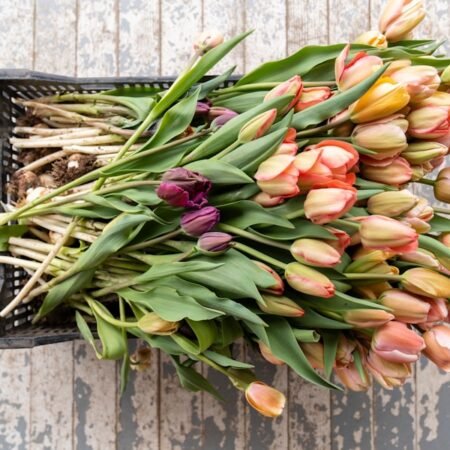
One of the key benefits of combining perennials and annuals in the garden is the ability to achieve year-round blooms. By strategically selecting plants with different blooming times and durations, gardeners can create a continuous display of flowers throughout the growing season. For example, early-blooming bulbs such as daffodils and tulips can be paired with late-blooming perennials like asters and sedums to ensure a steady stream of blooms from spring to fall. Additionally, annual flowers can be used to fill in gaps between perennial blooms, providing continuous color and visual interest.
When combining perennials and annuals for continuous flowering, it is important to consider factors such as plant height, color scheme, and bloom time. By selecting plants that complement each other in terms of size and color, gardeners can create harmonious and visually appealing displays. Furthermore, incorporating a mix of plants with different blooming times ensures that there is always something in bloom throughout the growing season. With careful planning and thoughtful plant selection, it is possible to achieve year-round blooms by combining perennials and annuals in the garden.
Cost-Effectiveness: Comparing the Long-Term Investment of Perennials vs the Annual Expense of Annuals
When it comes to cost-effectiveness, there are important considerations to keep in mind when choosing between perennials and annuals for your garden. While perennials may require a higher initial investment due to their long-term nature, they can ultimately save money in the long run by not needing to be replanted each year. Once established, perennials can provide years of beauty with minimal maintenance, making them a valuable investment for any garden. On the other hand, annuals require an annual expense as they need to be replanted each year. While they may provide instant color and seasonal variety, the cost of purchasing new annual plants each year can add up over time.
In addition to the initial cost of plants, it is also important to consider the long-term maintenance requirements of perennials vs annuals. Perennials typically require less maintenance once established, saving time and effort in the long run. On the other hand, annuals may require more frequent watering, fertilizing, and deadheading to ensure continuous blooms throughout the growing season. When considering cost-effectiveness, it is important to weigh the initial investment and long-term maintenance requirements of perennials against the annual expense of purchasing new annual plants each year.
Environmental Impact: The Sustainability of Perennials vs the Resource Intensive Nature of Annuals
In addition to cost-effectiveness, it is important to consider the environmental impact of growing perennials vs annuals in the garden. Perennials are known for their sustainability as they do not need to be replanted each year, reducing the consumption of resources such as water, soil, and energy. Once established, perennials can provide years of beauty with minimal maintenance, making them an eco-friendly choice for any garden. Furthermore, many perennial flowers are also beneficial for pollinators and wildlife, supporting biodiversity and contributing to a healthy ecosystem.
On the other hand, annuals are known for their resource-intensive nature as they require replanting each year. This can lead to increased consumption of resources such as water, soil, and energy, making annuals less sustainable compared to perennials. Additionally, the production and transportation of annual plants can have a significant environmental impact due to the use of plastic pots, fertilizers, and pesticides. When considering the environmental impact of growing perennials vs annuals, it is important to weigh the sustainability of perennials against the resource-intensive nature of annuals.
Choosing the Right Plants for Your Garden for Year-Round Beauty
In conclusion, both perennials and annuals offer unique benefits for creating a beautiful and sustainable garden. Perennials are prized for their long-term beauty and low maintenance requirements, making them a valuable investment for any landscape. On the other hand, annuals provide seasonal variety and instant color, adding vibrancy and visual interest to the garden. By combining perennials and annuals strategically, it is possible to achieve year-round blooms and create a dynamic and ever-changing landscape.
When choosing plants for your garden, it is important to consider factors such as cost-effectiveness and environmental impact. While perennials may require a higher initial investment, they can ultimately save money in the long run by not needing to be replanted each year. Additionally, perennials are known for their sustainability as they do not require as many resources as annuals once established. On the other hand, annuals provide instant color but require an annual expense and have a more resource-intensive nature.
Ultimately, the decision between growing perennials or annuals depends on your personal preferences, gardening goals, and environmental considerations. By carefully considering the benefits of each type of plant and how they can be combined for continuous flowering, you can create a stunning and sustainable garden that provides year-round beauty for years to come. Whether you choose perennials or annuals or a combination of both, there are endless possibilities for creating a vibrant and dynamic landscape that reflects your unique style and vision.

Other Articles

The Science Behind How Seasonal Changes Impact Flower Growth