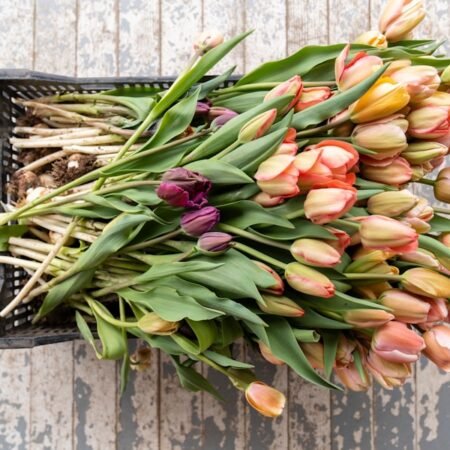
When it comes to creating a beautiful garden full of blooming flowers, it’s essential to understand the climate and soil conditions in your area. Different flowers thrive in different climates, so it’s important to choose flowers that are well-suited to your specific region. Take the time to research the average temperatures, rainfall, and sunlight levels in your area to determine which flowers will thrive in your garden. Additionally, understanding the composition of your soil is crucial for successful flower gardening. Some flowers prefer well-draining sandy soil, while others thrive in rich, loamy soil. Conduct a soil test to determine the pH level and nutrient content of your soil, and make any necessary amendments to ensure that it is suitable for the flowers you plan to grow.
In addition to climate and soil conditions, it’s important to consider the microclimates within your garden. Some areas may receive more sunlight or be more sheltered from the wind, creating different growing conditions for your flowers. Take note of these microclimates and choose flowers that will thrive in each specific area of your garden. By understanding your climate and soil conditions, you can select the right flowers for your garden and set yourself up for success in creating a beautiful, blooming oasis.
Choosing the Right Flowers for Your Garden
Once you have a good understanding of your climate and soil conditions, it’s time to choose the right flowers for your garden. There are countless options to consider, so it’s important to select flowers that will not only thrive in your specific growing conditions but also complement each other in terms of color, height, and bloom time. Consider creating a mix of annuals and perennials to ensure that your garden has continuous blooms throughout the growing season. Annuals provide vibrant color and can be easily changed out each year, while perennials offer long-lasting beauty and return year after year.
When choosing flowers for your garden, consider factors such as bloom time, height, and maintenance requirements. Select a mix of early, mid, and late-blooming flowers to ensure that your garden is always filled with color. Additionally, choose flowers of varying heights to create visual interest and depth in your garden. Finally, consider the maintenance requirements of each flower and select varieties that align with the amount of time and effort you are willing to dedicate to your garden. By carefully choosing the right flowers for your garden, you can create a stunning display that will bring joy and beauty to your outdoor space.
Proper Planting and Maintenance Techniques
Once you have selected the right flowers for your garden, it’s important to properly plant and maintain them to ensure their success. Start by preparing the soil in each planting area by loosening it and adding organic matter such as compost or aged manure. This will help improve soil structure and fertility, providing a healthy environment for your flowers to grow. When planting, be sure to follow the specific instructions for each type of flower, including spacing, depth, and watering requirements. Proper planting techniques will help establish strong, healthy roots and promote vigorous growth.
In addition to proper planting techniques, it’s important to stay on top of maintenance tasks throughout the growing season. This includes regular watering, weeding, and mulching to help conserve moisture and suppress weed growth. Deadheading spent blooms will also encourage continuous flowering and prevent the development of seeds, allowing the plant to redirect its energy into producing new blooms. Regularly inspect your plants for signs of pests or diseases and take appropriate action to prevent or treat any issues that arise. By following proper planting and maintenance techniques, you can set your flowers up for success and enjoy a beautiful, thriving garden.
Watering and Fertilizing Tips for Maximum Blooms
Watering and fertilizing are essential components of successful flower gardening, as they provide the necessary nutrients and moisture for healthy growth and abundant blooms. When it comes to watering, it’s important to provide consistent moisture without overwatering or allowing the soil to become waterlogged. The frequency and amount of water needed will vary depending on the type of flower, soil conditions, and climate. Generally, it’s best to water deeply and infrequently to encourage deep root growth and drought tolerance. Consider using a soaker hose or drip irrigation system to deliver water directly to the root zone and minimize water waste.
In addition to proper watering, fertilizing is important for promoting maximum blooms in your garden. Choose a high-quality fertilizer specifically formulated for flowering plants and follow the recommended application rates for each type of flower. It’s best to fertilize in early spring as plants are emerging from dormancy and again in mid-summer to support continued growth and flowering. Be sure to water thoroughly after applying fertilizer to help distribute the nutrients throughout the soil. By following these watering and fertilizing tips, you can provide your flowers with the essential nutrients and moisture they need to produce an abundance of beautiful blooms.
Controlling Pests and Diseases
Pests and diseases can wreak havoc on a garden full of beautiful flowers if left unchecked, so it’s important to be proactive in controlling these potential threats. Regularly inspect your plants for signs of pests such as aphids, caterpillars, or mites, as well as symptoms of common diseases like powdery mildew or leaf spot. If you notice any issues, take immediate action to prevent further damage by using natural or chemical controls as needed. This may include handpicking pests, spraying with insecticidal soap or horticultural oil, or applying fungicides to combat diseases.
In addition to reactive measures, there are also proactive steps you can take to prevent pests and diseases from becoming a problem in your garden. This includes practicing good garden hygiene by removing dead or diseased plant material, rotating crops if growing annuals, and providing proper spacing between plants to promote good air circulation. Consider planting companion plants that naturally repel pests or attract beneficial insects that will help control pest populations. By staying vigilant and taking proactive measures to control pests and diseases, you can protect your flowers and ensure they continue to bloom beautifully throughout the growing season.
Pruning and Deadheading for Continuous Blooms
Pruning and deadheading are important techniques for promoting continuous blooms in your garden by encouraging new growth and preventing plants from expending energy on seed production. Regular pruning helps shape plants, remove dead or damaged growth, and promote healthy branching and flowering. It’s best to prune flowering plants in early spring before new growth begins, as well as throughout the growing season as needed to maintain their shape and encourage new blooms. Be sure to use clean, sharp pruners to make clean cuts that will heal quickly and minimize the risk of disease.
Deadheading spent blooms is another essential task for promoting continuous flowering in your garden. By removing faded flowers before they have a chance to set seed, you can encourage plants to produce new blooms instead of redirecting their energy into seed production. Deadheading also helps keep plants looking tidy and prevents self-seeding in the garden. Be sure to deadhead regularly throughout the growing season as flowers fade, using clean pruners or scissors to make clean cuts just above a set of healthy leaves or buds. By incorporating regular pruning and deadheading into your gardening routine, you can help ensure that your flowers continue to bloom beautifully all season long.
Extending the Blooming Season with Succession Planting
Succession planting is a technique used by many gardeners to extend the blooming season by staggering the planting of different varieties of flowers with varying bloom times. By strategically planning when each type of flower will bloom in your garden, you can create a continuous display of color from early spring through late fall. Start by selecting a mix of early, mid, and late-blooming flowers that are well-suited to your climate and soil conditions. Then create a planting schedule based on their specific bloom times, spacing out plantings by a few weeks or months depending on their growth rate.
As early-blooming flowers begin to fade, mid-season varieties will start to take center stage, followed by late-blooming varieties as the season progresses. This creates a seamless transition from one wave of blooms to the next, ensuring that there is always something beautiful to enjoy in your garden. Succession planting also helps maximize the use of space in your garden by allowing you to replace spent plants with new ones as they finish blooming. By incorporating succession planting into your flower gardening strategy, you can enjoy a longer blooming season and keep your garden looking vibrant and colorful throughout the year.
In conclusion, creating a beautiful garden full of blooming flowers requires careful consideration of climate and soil conditions, thoughtful selection of the right flowers for your garden, proper planting and maintenance techniques, strategic watering and fertilizing practices, effective pest and disease control measures, regular pruning and deadheading for continuous blooms, and succession planting for an extended blooming season. By following these guidelines and putting in the necessary effort and care, you can create a stunning display of color that will bring joy and beauty to your outdoor space for years to come. Whether you’re a seasoned gardener or just starting out, there’s nothing quite like the satisfaction of watching your garden come alive with vibrant blooms throughout the growing season. With a little planning and dedication, you can create a blooming paradise that will be the envy of all who see it.