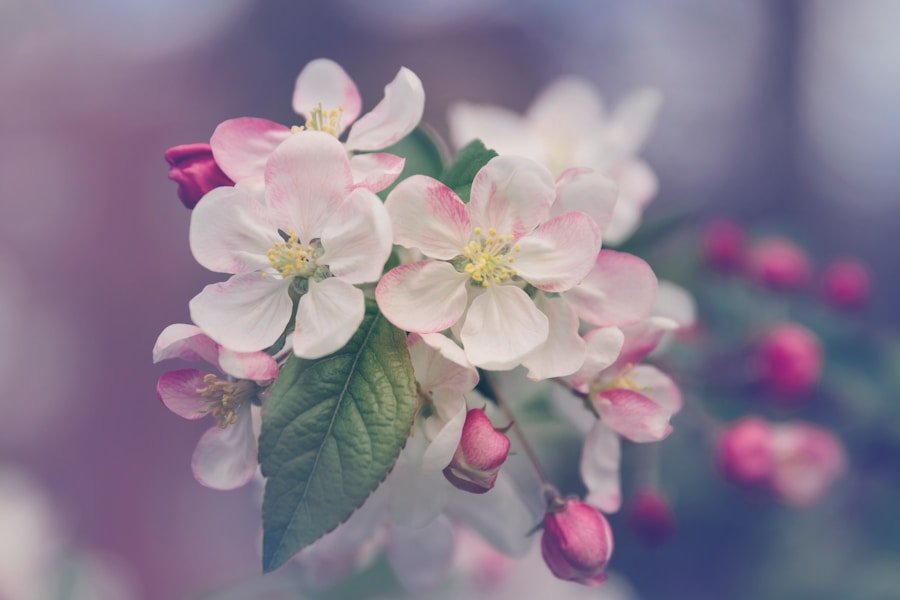

Understanding the seasons is crucial when it comes to planning and maintaining a garden. Each season brings its own unique set of challenges and opportunities for gardeners. In the spring, the weather begins to warm up, and plants start to come out of dormancy. This is a great time to plant cool-season vegetables and flowers, as well as to start preparing the garden for the warmer months ahead. Summer is the peak growing season for most plants, with longer days and warmer temperatures providing ideal conditions for growth. It’s important to keep plants well-watered and protected from the heat during this time. Fall is a time of transition, as temperatures begin to cool and daylight hours shorten. This is a great time to plant bulbs for spring blooms and to start preparing the garden for winter. Finally, winter is a time of dormancy for many plants, with cold temperatures and shorter days slowing down growth. It’s important to protect tender plants from frost and to take steps to ensure the garden is ready for the coming spring.
Understanding the unique characteristics of each season is essential for successful gardening. By knowing what to expect in each season, gardeners can plan ahead and make the most of the opportunities that each season presents. Whether it’s planting spring bulbs, protecting plants from summer heat, or preparing the garden for winter, understanding the seasons is key to creating a thriving garden.
Choosing the Right Plants for Each Season:
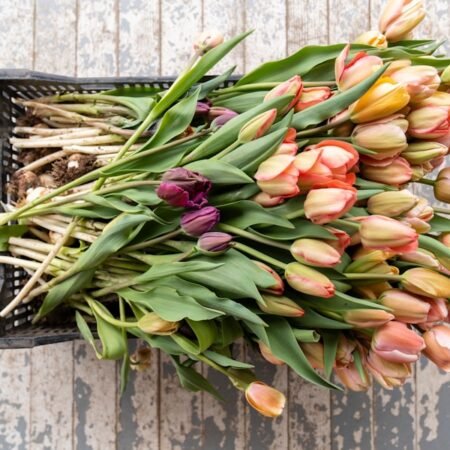
Choosing the right plants for each season is essential for creating a year-round garden. Different plants thrive in different seasons, so it’s important to select varieties that will perform well in the current conditions. In the spring, cool-season vegetables like lettuce, spinach, and peas are great choices, as well as early-blooming flowers like daffodils and tulips. As summer approaches, heat-loving plants like tomatoes, peppers, and zinnias are ideal for filling the garden with color and flavor. In the fall, it’s time to plant bulbs for spring blooms, as well as cool-season vegetables like kale and broccoli. Finally, in winter, evergreen shrubs and trees can provide structure and interest in the garden, while cold-tolerant vegetables like carrots and beets can be grown in protected areas.
By choosing the right plants for each season, gardeners can ensure that their garden is always filled with beauty and productivity. Whether it’s colorful flowers in the summer or fresh vegetables in the fall, selecting the right plants for each season is essential for creating a successful year-round garden.
Creating a Year-Round Garden Design:
Creating a year-round garden design involves careful planning and consideration of the unique characteristics of each season. One key aspect of year-round garden design is creating a framework of evergreen plants that provide structure and interest throughout the year. These can include shrubs like boxwood and holly, as well as trees like pine and cedar. By incorporating evergreen plants into the design, gardeners can ensure that their garden looks attractive even in the depths of winter. Another important aspect of year-round garden design is selecting plants that provide interest in each season. This can include early-blooming bulbs in the spring, colorful annuals in the summer, and foliage with fall color in autumn.
In addition to selecting the right plants, it’s also important to consider hardscaping elements like paths, patios, and structures when creating a year-round garden design. These elements can provide visual interest and structure to the garden, as well as creating spaces for relaxation and enjoyment. By carefully considering all of these elements, gardeners can create a year-round garden design that is both beautiful and functional.
Maintenance and Care Tips:
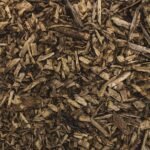
Maintaining a year-round garden requires ongoing care and attention throughout the seasons. In the spring, it’s important to prepare the garden for the growing season by clearing away debris, adding compost or mulch, and dividing or transplanting any overcrowded plants. As summer approaches, regular watering and fertilizing are essential for keeping plants healthy and productive. It’s also important to keep an eye out for pests and diseases during this time, as they can quickly damage plants if left unchecked. In the fall, it’s time to start preparing the garden for winter by cleaning up any remaining debris, protecting tender plants from frost, and planting bulbs for spring blooms. Finally, in winter, it’s important to protect plants from cold temperatures and heavy snowfall by providing insulation or shelter as needed.
By following these maintenance and care tips throughout the year, gardeners can ensure that their garden remains healthy and beautiful in every season. From preparing the garden for spring growth to protecting plants from winter weather, ongoing care is essential for maintaining a year-round garden.
Incorporating Seasonal Accents:
Incorporating seasonal accents into the garden is a great way to add interest and variety throughout the year. This can include using seasonal containers filled with colorful annuals in the summer, pumpkins and gourds in the fall, and evergreen boughs and berries in the winter. Seasonal accents can also include decorative elements like bird feeders, wind chimes, or garden art that change with the seasons. By incorporating these elements into the garden, gardeners can create a dynamic and ever-changing landscape that reflects the beauty of each season.
In addition to decorative accents, seasonal lighting can also add drama and interest to the garden throughout the year. This can include string lights for summer evenings, lanterns or candles for fall gatherings, and festive holiday lights for winter celebrations. By incorporating seasonal lighting into the garden, gardeners can create a magical atmosphere that enhances the beauty of each season.
Extending the Blooming Season:
Extending the blooming season is a great way to ensure that the garden is filled with color and beauty throughout the year. One way to do this is by selecting plants with long blooming periods or multiple flushes of flowers throughout the season. This can include perennials like coneflowers and black-eyed Susans that bloom from summer into fall, as well as annuals like petunias and marigolds that provide continuous color throughout the growing season. Another way to extend the blooming season is by planting a variety of bulbs that bloom at different times throughout the year. This can include early-blooming bulbs like crocuses and snowdrops in the spring, mid-season bulbs like tulips and daffodils in late spring, and late-blooming bulbs like alliums and lilies in early summer.
By carefully selecting plants with long blooming periods and planting a variety of bulbs that bloom at different times, gardeners can ensure that their garden is filled with color from early spring through late summer. Extending the blooming season is a great way to maximize the beauty of the garden throughout the year.
Enjoying the Fruits of Your Labor:
Finally, enjoying the fruits of your labor is one of the most rewarding aspects of maintaining a year-round garden. Whether it’s harvesting fresh vegetables from the summer garden or cutting bouquets of flowers from the spring garden, there’s nothing quite like enjoying the bounty of your own garden. In addition to harvesting fruits and vegetables, there are many other ways to enjoy the garden throughout the year. This can include hosting gatherings or events in outdoor spaces during the warmer months, or simply spending time relaxing and enjoying nature in your own backyard.
By taking time to enjoy the beauty and productivity of your garden throughout the year, you can truly appreciate all of your hard work and dedication. Whether it’s savoring a homegrown meal or simply taking a moment to relax in your outdoor oasis, enjoying the fruits of your labor is one of the greatest rewards of maintaining a year-round garden.
In conclusion, creating and maintaining a year-round garden requires careful planning, ongoing care, and a deep understanding of each season’s unique characteristics. By choosing the right plants for each season, creating a thoughtful garden design, providing ongoing maintenance and care, incorporating seasonal accents, extending the blooming season, and taking time to enjoy the fruits of your labor, you can create a beautiful and productive garden that brings joy throughout the year. With dedication and attention to detail, you can create a thriving year-round garden that provides beauty, sustenance, and enjoyment in every season.

Other Articles

Maximize Your Flower Garden’s Potential with Seasonal Mulching