
Sustainable flower care is the practice of nurturing and maintaining flowers in a way that minimizes harm to the environment and promotes long-term ecological balance. This involves using natural and organic methods to care for flowers, reducing waste, and conserving resources. Sustainable flower care also focuses on creating a healthy and thriving ecosystem for the flowers to grow in, which in turn benefits the surrounding environment. By understanding the principles of sustainable flower care, gardeners can make a positive impact on the planet while enjoying the beauty of their flowers.
One key aspect of sustainable flower care is the use of natural and organic materials in the garden. This includes using compost and organic fertilizers to nourish the soil, as well as avoiding the use of synthetic pesticides and herbicides. By choosing natural alternatives, gardeners can protect the health of the soil, water, and surrounding wildlife. Additionally, sustainable flower care involves selecting flowers that are well-suited to the local climate and soil conditions, reducing the need for excessive watering, fertilizing, and maintenance. By understanding the unique needs of each flower species and creating a balanced ecosystem, gardeners can promote sustainable growth and minimize their environmental impact.
Eco-Friendly Soil and Fertilizer Options
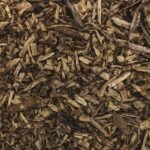
When it comes to sustainable flower care, choosing eco-friendly soil and fertilizer options is essential for promoting healthy growth while minimizing harm to the environment. One eco-friendly soil option is to use compost, which is made from organic materials such as food scraps, yard waste, and leaves. Compost enriches the soil with essential nutrients and improves its structure, promoting healthy root growth and water retention. Another eco-friendly soil option is to use mulch, which helps to retain moisture, suppress weeds, and regulate soil temperature. By using natural materials to improve soil quality, gardeners can create a healthy and sustainable environment for their flowers to thrive.
In addition to eco-friendly soil options, choosing natural fertilizers is also important for sustainable flower care. Organic fertilizers such as compost tea, fish emulsion, and bone meal provide essential nutrients to the soil without introducing harmful chemicals. These natural fertilizers promote healthy growth and flowering while minimizing the risk of water pollution and soil degradation. By choosing eco-friendly soil and fertilizer options, gardeners can create a balanced and sustainable ecosystem for their flowers to flourish.
Water Conservation Techniques for Flower Care
Water conservation is a critical aspect of sustainable flower care, as it helps to minimize water waste and protect the environment. One water conservation technique is to use drip irrigation systems, which deliver water directly to the base of the plants, reducing evaporation and runoff. Drip irrigation systems can be set on timers to ensure that plants receive the right amount of water at the right time, promoting healthy growth while conserving water. Another water conservation technique is to collect rainwater in barrels or cisterns and use it to water flowers. This reduces reliance on municipal water sources and helps to conserve resources.
In addition to using water-efficient irrigation systems and rainwater collection, gardeners can also practice water-wise gardening techniques to promote sustainable flower care. This includes planting flowers that are well-suited to the local climate and soil conditions, reducing the need for excessive watering. Mulching around plants helps to retain moisture in the soil, reducing the frequency of watering while promoting healthy growth. By implementing water conservation techniques in flower care, gardeners can minimize their environmental impact while promoting sustainable growth.
Choosing Native and Drought-Resistant Plants
Choosing native and drought-resistant plants is an important aspect of sustainable flower care, as it helps to conserve water and promote ecological balance. Native plants are well-adapted to the local climate and soil conditions, requiring less water, fertilizer, and maintenance than non-native species. By choosing native plants for the garden, gardeners can create a balanced ecosystem that supports local wildlife and promotes biodiversity. Drought-resistant plants are also well-suited to arid climates and require minimal watering, making them an ideal choice for sustainable flower care.
In addition to choosing native and drought-resistant plants, gardeners can also create a habitat for pollinators such as bees, butterflies, and birds by planting flowers that provide nectar and pollen. This promotes ecological balance and supports local wildlife while reducing the need for chemical pesticides and herbicides. By choosing native and drought-resistant plants for the garden, gardeners can create a sustainable and thriving ecosystem that conserves water and promotes environmental health.
Natural Pest Control Methods for Flower Care
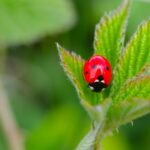
Natural pest control methods are an essential aspect of sustainable flower care, as they help to protect flowers from pests while minimizing harm to the environment. One natural pest control method is to encourage beneficial insects such as ladybugs, lacewings, and predatory wasps that feed on harmful pests such as aphids, mites, and caterpillars. This can be done by planting flowers that provide nectar and pollen for beneficial insects or by purchasing beneficial insects from suppliers. By promoting a healthy balance of beneficial insects in the garden, gardeners can reduce the need for chemical pesticides while protecting their flowers from pests.
Another natural pest control method is to use physical barriers such as row covers or netting to protect flowers from pests such as birds or deer. This helps to prevent damage to flowers without introducing harmful chemicals into the environment. Additionally, companion planting can help to deter pests by interplanting flowers with herbs or other plants that repel pests. By using natural pest control methods in flower care, gardeners can protect their flowers while promoting ecological balance.
Composting and Recycling in Flower Care
Composting and recycling are important practices in sustainable flower care, as they help to reduce waste and nourish the soil with organic materials. Composting involves collecting organic materials such as food scraps, yard waste, and leaves in a compost bin or pile and allowing them to decompose into nutrient-rich compost. This compost can then be used to enrich the soil in the garden, providing essential nutrients for healthy growth while reducing the need for synthetic fertilizers. By composting organic materials, gardeners can reduce waste while promoting sustainable flower care.
In addition to composting, recycling plant materials such as leaves, grass clippings, and prunings can also benefit sustainable flower care. These materials can be shredded or mulched and used as mulch around plants to retain moisture in the soil, suppress weeds, and regulate soil temperature. By recycling plant materials in the garden, gardeners can reduce waste while promoting healthy growth and sustainability.
Eco-Friendly Flower Care Practices for Indoor Plants
Eco-friendly flower care practices are not limited to outdoor gardens; they also apply to indoor plants. One eco-friendly practice for indoor plants is to use natural pest control methods such as introducing beneficial insects or using physical barriers to protect plants from pests. This helps to minimize harm to the environment while protecting indoor plants from pests.
Another eco-friendly practice for indoor plants is to use natural fertilizers such as compost tea or fish emulsion to nourish the soil without introducing harmful chemicals into the indoor environment. By choosing natural fertilizers for indoor plants, gardeners can promote healthy growth while minimizing their environmental impact.
In addition to using natural pest control methods and fertilizers, eco-friendly flower care practices for indoor plants also include using water-efficient irrigation systems such as self-watering pots or drip irrigation systems. These systems deliver water directly to the base of the plants, reducing water waste while promoting healthy growth.
In conclusion, sustainable flower care involves using natural and organic methods to nurture flowers while minimizing harm to the environment. By understanding sustainable flower care principles such as using eco-friendly soil and fertilizer options, practicing water conservation techniques, choosing native and drought-resistant plants, using natural pest control methods, composting and recycling plant materials, and implementing eco-friendly practices for indoor plants, gardeners can make a positive impact on the planet while enjoying the beauty of their flowers. By promoting sustainability in flower care, gardeners can create a healthy and thriving ecosystem that benefits both their flowers and the environment.