
Organic pest control is a method of managing pests in a natural and environmentally friendly way, without the use of synthetic chemicals. This approach focuses on preventing pest problems by promoting healthy ecosystems and using natural predators and deterrents to keep pest populations in check. By understanding the life cycles and behaviors of pests, organic pest control methods can be tailored to target specific pests while minimizing harm to beneficial insects, wildlife, and the environment.
One key aspect of organic pest control is the use of biological controls, such as predatory insects, nematodes, and microorganisms, to manage pest populations. These natural enemies can help keep pest numbers in check without the need for chemical pesticides. Additionally, cultural practices, such as crop rotation, intercropping, and maintaining healthy soil, can help prevent pest infestations by creating an environment that is less hospitable to pests. By understanding the principles of organic pest control, farmers and gardeners can effectively manage pests while promoting a healthy and sustainable ecosystem.
Companion Planting for Pest Prevention
Companion planting is a traditional gardening practice that involves planting different crops together to benefit each other in various ways, including pest prevention. By strategically pairing plants that have natural pest-repelling properties with those that are susceptible to pests, gardeners can create a natural barrier against common pests. For example, planting aromatic herbs like basil and rosemary alongside susceptible crops like tomatoes and peppers can help deter pests like aphids and whiteflies. Similarly, planting marigolds near vegetable crops can help repel nematodes in the soil.
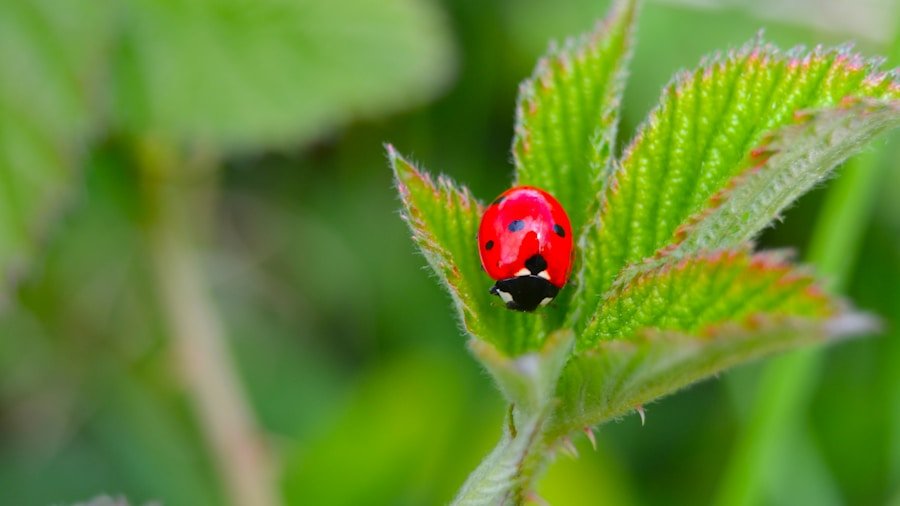
In addition to repelling pests, companion planting can also attract beneficial insects that prey on pests, such as ladybugs, lacewings, and parasitic wasps. By creating a diverse and balanced ecosystem in the garden, companion planting can help reduce the need for chemical pesticides while promoting natural pest control. Understanding the principles of companion planting and selecting the right plant combinations can help gardeners effectively manage pests while promoting a healthy and productive garden.
Attracting Beneficial Insects
Attracting beneficial insects to the garden is another key aspect of organic pest control. Many insects, such as ladybugs, lacewings, and predatory wasps, are natural predators of common garden pests like aphids, caterpillars, and mites. By providing a habitat that supports these beneficial insects, gardeners can help keep pest populations in check without the need for chemical pesticides. Planting a diverse range of flowering plants, especially those with small, clustered flowers like dill, fennel, and yarrow, can attract beneficial insects by providing them with nectar and pollen as food sources.
In addition to providing food sources, creating shelter and nesting sites for beneficial insects can help support their populations in the garden. This can be achieved by leaving patches of bare ground for ground-dwelling insects, providing hollow stems or bundles of twigs for nesting sites, and incorporating diverse plantings to provide cover and refuge. By understanding the needs and behaviors of beneficial insects, gardeners can create a welcoming environment that supports natural pest control while promoting biodiversity in the garden.
Homemade Pest Control Sprays
Homemade pest control sprays are a natural and cost-effective way to manage pests in the garden without the use of synthetic chemicals. Many common household ingredients, such as garlic, hot peppers, and neem oil, have natural insecticidal properties that can be used to create effective pest control sprays. For example, a simple garlic and pepper spray can be made by blending garlic cloves and hot peppers with water and straining the mixture to create a potent insect repellent. Similarly, neem oil, derived from the seeds of the neem tree, has insecticidal properties that can be used to control a wide range of pests.
In addition to insecticidal sprays, homemade remedies like soap sprays can be used to manage common garden pests like aphids, mites, and whiteflies. A simple soap spray can be made by mixing liquid soap with water and spraying it directly on affected plants to suffocate soft-bodied insects. By understanding the properties of common household ingredients and their effects on pests, gardeners can create effective homemade pest control sprays that are safe for plants, people, and the environment.
Using Natural Barriers
Using natural barriers is another effective method of organic pest control that can help protect plants from common garden pests. Physical barriers like row covers, netting, and screens can be used to exclude pests from vulnerable plants while allowing air, light, and water to reach the plants. Row covers made from lightweight fabric can be draped over plants to create a physical barrier against pests like caterpillars, beetles, and aphids. Similarly, netting or screens can be used to protect fruit trees and berry bushes from birds and other animals that may damage or consume the fruit.
In addition to physical barriers, natural deterrents like diatomaceous earth and copper tape can be used to protect plants from pests like slugs, snails, and crawling insects. Diatomaceous earth is a fine powder made from fossilized algae that can be sprinkled around plants to create a barrier that damages the exoskeletons of soft-bodied insects. Similarly, copper tape can be applied around planters or raised beds to deter slugs and snails from reaching vulnerable plants. By using natural barriers and deterrents, gardeners can protect their plants from pests while minimizing harm to beneficial insects and wildlife.
Crop Rotation and Soil Health
Crop rotation is a traditional farming practice that involves growing different crops in a specific sequence on the same piece of land to improve soil health and prevent pest infestations. By rotating crops with different nutrient needs and growth habits, farmers can help break pest cycles and reduce the buildup of soil-borne diseases. For example, planting legumes like peas or beans in one season followed by brassicas like cabbage or broccoli in the next season can help improve soil fertility while reducing the risk of pest infestations. Additionally, rotating crops with deep-rooted plants like carrots or potatoes with shallow-rooted plants like lettuce or spinach can help break up soil compaction and improve soil structure.
In addition to crop rotation, maintaining healthy soil through practices like composting, mulching, and cover cropping can help promote strong plant growth and resilience against pests. Adding organic matter like compost or mulch to the soil can improve its structure, water retention, and nutrient content while supporting beneficial soil organisms like earthworms and microorganisms. Similarly, planting cover crops like clover or vetch during fallow periods can help prevent soil erosion, suppress weeds, and improve soil fertility. By understanding the principles of crop rotation and soil health, farmers can promote healthy ecosystems while reducing reliance on chemical pesticides.
Encouraging Wildlife for Pest Control
Encouraging wildlife in the garden is another effective method of organic pest control that can help keep pest populations in check while promoting biodiversity. Many animals like birds, bats, frogs, and lizards are natural predators of common garden pests like insects and rodents. By providing habitat features like birdhouses, bat boxes, ponds, and rock piles, gardeners can create a welcoming environment for wildlife that supports natural pest control. For example, attracting insect-eating birds like chickadees or wrens to the garden can help reduce pest populations by providing them with food sources like caterpillars and beetles.
In addition to providing habitat features, creating diverse plantings with native species can help attract wildlife by providing food sources like nectar, seeds, fruits, and insects. Native plants are well adapted to local conditions and provide important resources for wildlife throughout the year. By incorporating a variety of native plants with different flowering times and fruiting habits into the garden, gardeners can create a diverse ecosystem that supports natural pest control while promoting wildlife conservation. Understanding the needs and behaviors of wildlife in the garden can help gardeners create a welcoming environment that supports natural pest control while promoting biodiversity.
In conclusion, organic pest control encompasses a range of natural methods that focus on preventing pest problems by promoting healthy ecosystems and using natural predators and deterrents to keep pest populations in check. By understanding the principles of organic pest control and implementing methods like companion planting, attracting beneficial insects, using homemade pest control sprays, creating natural barriers, practicing crop rotation and soil health management, and encouraging wildlife in the garden, farmers and gardeners can effectively manage pests while promoting a healthy and sustainable ecosystem. By adopting these natural methods of pest control, we can reduce our reliance on chemical pesticides while supporting biodiversity and environmental conservation in our gardens and farms.