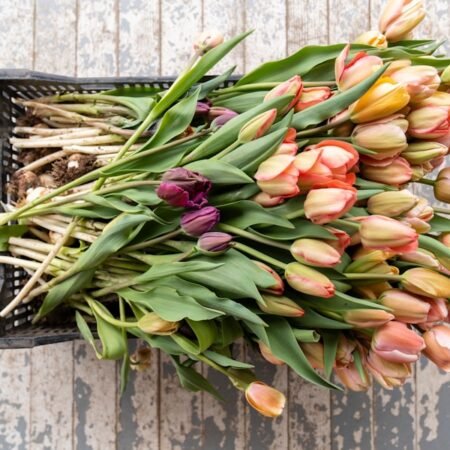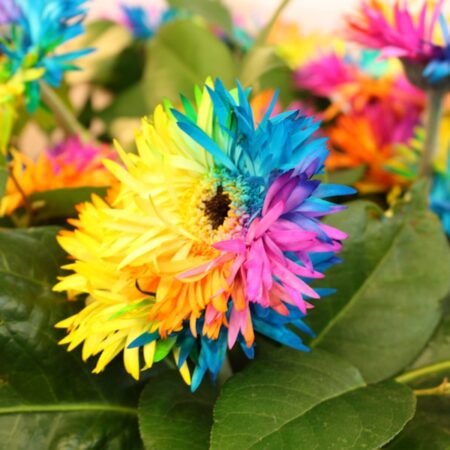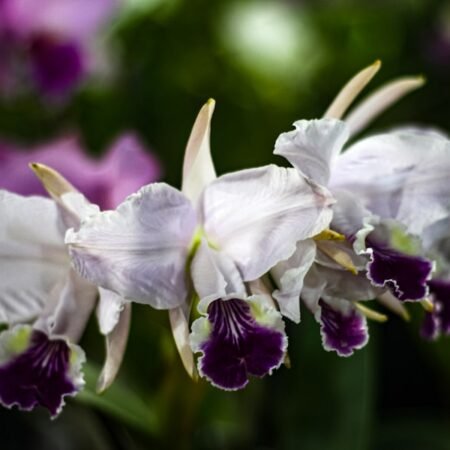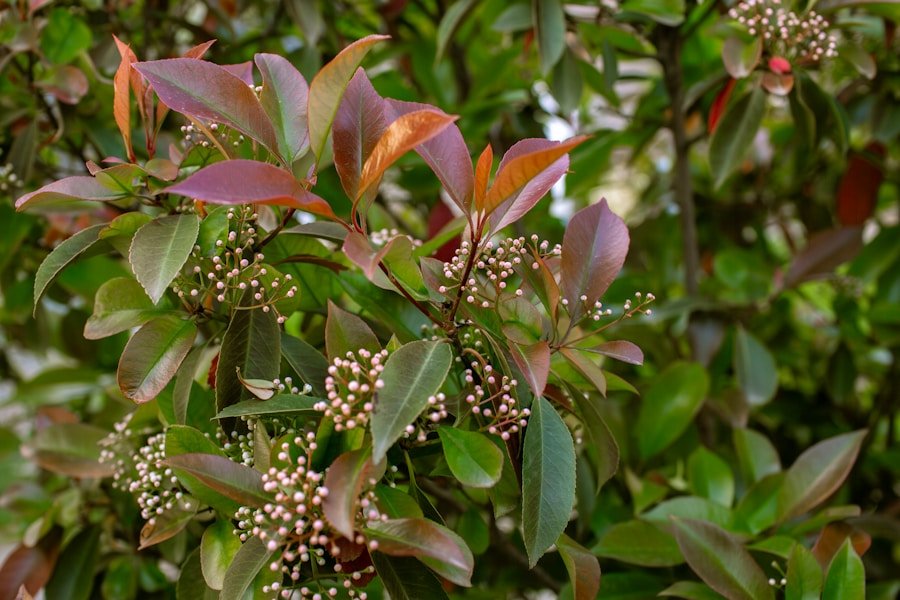

Pollinator-friendly flowers are a crucial component of any garden or landscape. These flowers are specifically chosen and cultivated to attract and support pollinators such as bees, butterflies, and hummingbirds. By providing a food source for these important creatures, pollinator-friendly flowers play a vital role in maintaining the health and diversity of ecosystems. These flowers come in a wide variety of shapes, sizes, and colors, making them a beautiful and functional addition to any outdoor space. Whether you have a small backyard garden or a sprawling landscape, incorporating pollinator-friendly flowers can have a positive impact on the environment and create a visually stunning display.
When selecting pollinator-friendly flowers for your garden, it’s important to consider factors such as bloom time, water requirements, and the specific needs of the pollinators you want to attract. By carefully choosing a diverse selection of flowers, you can create a habitat that supports a wide range of pollinators throughout the growing season. Additionally, by planting a variety of native and non-native species, you can ensure that your garden provides a continuous source of nectar and pollen for pollinators. With the right combination of flowers, you can create a vibrant and thriving ecosystem that benefits both wildlife and the environment.
The Importance of Pollinators for Your Yard
Pollinators play a crucial role in the health and vitality of your yard or garden. Without the help of pollinators, many plants would not be able to produce fruits, seeds, or new plants. Bees, butterflies, and other pollinators are responsible for transferring pollen from one flower to another, which is essential for the reproduction of many plant species. In addition to supporting the growth of plants, pollinators also contribute to the overall health and biodiversity of ecosystems. By attracting and supporting pollinators in your yard, you can help ensure the continued success of your garden and contribute to the well-being of the environment.
Incorporating pollinator-friendly flowers into your yard not only benefits the plants themselves but also provides a valuable food source for pollinators. By planting a diverse selection of flowers that bloom at different times throughout the growing season, you can create a continuous source of nectar and pollen for bees, butterflies, and other beneficial insects. This not only supports the health and well-being of these important creatures but also enhances the overall beauty and diversity of your yard. By creating a welcoming habitat for pollinators, you can enjoy the sight of colorful butterflies flitting from flower to flower and the gentle hum of bees as they go about their important work.
How Pollinator-Friendly Flowers Benefit the Environment
The presence of pollinator-friendly flowers in an environment has far-reaching benefits for the ecosystem as a whole. By providing a reliable food source for pollinators, these flowers contribute to the health and diversity of plant species. This, in turn, supports the overall stability and resilience of ecosystems. Additionally, by attracting and supporting pollinators, these flowers play a crucial role in the reproduction of many plant species, ensuring the continued success and survival of these plants. This is particularly important in areas where natural habitats have been disrupted or destroyed, as pollinator-friendly flowers can help support the growth and spread of native plant species.
In addition to supporting plant species, pollinator-friendly flowers also contribute to the overall health and diversity of wildlife populations. By providing a reliable food source for bees, butterflies, and other pollinators, these flowers help ensure the well-being of these important creatures. This is particularly important in areas where pollinator populations are declining due to habitat loss, pesticide use, and other factors. By creating a welcoming habitat for pollinators, you can help support their continued success and contribute to the overall health and diversity of wildlife in your area.
Attracting Beneficial Insects to Your Garden
In addition to attracting bees and butterflies, pollinator-friendly flowers can also help attract a wide range of beneficial insects to your garden. These insects play a crucial role in controlling pest populations and maintaining the overall health and balance of ecosystems. By providing a diverse selection of flowers that bloom at different times throughout the growing season, you can create a habitat that supports a wide range of beneficial insects. This can help reduce the need for chemical pesticides and promote a more natural and sustainable approach to pest management in your garden.
Incorporating pollinator-friendly flowers into your garden can also help attract predatory insects such as ladybugs, lacewings, and hoverflies. These insects are natural predators of many common garden pests such as aphids, caterpillars, and mites. By providing a reliable food source for these beneficial insects, you can encourage them to take up residence in your garden and help keep pest populations in check. This can help reduce the need for chemical pesticides and promote a more balanced and sustainable approach to pest management in your yard.
Enhancing Biodiversity with Pollinator-Friendly Flowers
By incorporating pollinator-friendly flowers into your garden or landscape, you can help enhance the overall biodiversity of your outdoor space. These flowers provide a valuable food source for bees, butterflies, and other pollinators, which in turn supports the health and diversity of plant species. By creating a welcoming habitat for pollinators, you can help ensure the continued success and survival of many native plant species. This is particularly important in areas where natural habitats have been disrupted or destroyed, as pollinator-friendly flowers can help support the growth and spread of native plants.
In addition to supporting plant species, pollinator-friendly flowers also contribute to the overall health and diversity of wildlife populations. By providing a reliable food source for bees, butterflies, and other pollinators, these flowers help ensure the well-being of these important creatures. This is particularly important in areas where pollinator populations are declining due to habitat loss, pesticide use, and other factors. By creating a welcoming habitat for pollinators, you can help support their continued success and contribute to the overall health and diversity of wildlife in your area.
Creating a Beautiful and Sustainable Landscape
Incorporating pollinator-friendly flowers into your landscape not only benefits the environment but also creates a visually stunning display. These flowers come in a wide variety of shapes, sizes, and colors, making them an attractive addition to any outdoor space. By carefully choosing a diverse selection of flowers that bloom at different times throughout the growing season, you can create a vibrant and ever-changing landscape that is both beautiful and functional. Whether you have a small backyard garden or a sprawling landscape, incorporating pollinator-friendly flowers can add color, texture, and interest to your outdoor space.
In addition to their visual appeal, pollinator-friendly flowers also contribute to the overall sustainability of your landscape. By providing a reliable food source for bees, butterflies, and other pollinators, these flowers help support the health and diversity of plant species. This can help create a more balanced and resilient ecosystem that is better able to withstand environmental challenges such as drought, disease, and climate change. By creating a sustainable landscape that supports pollinators and native plant species, you can enjoy a beautiful outdoor space that is both visually stunning and environmentally friendly.
Tips for Choosing and Planting Pollinator-Friendly Flowers
When choosing pollinator-friendly flowers for your garden or landscape, it’s important to consider factors such as bloom time, water requirements, and the specific needs of the pollinators you want to attract. By carefully selecting a diverse selection of flowers that bloom at different times throughout the growing season, you can create a continuous source of nectar and pollen for bees, butterflies, and other beneficial insects. Additionally, by planting a variety of native and non-native species, you can ensure that your garden provides a reliable food source for pollinators throughout the year.
When planting pollinator-friendly flowers in your garden or landscape, it’s important to consider factors such as soil type, sun exposure, and water availability. By choosing flowers that are well-suited to your specific growing conditions, you can help ensure their success and longevity in your outdoor space. Additionally, by planting flowers in clusters or drifts rather than single plants scattered throughout your garden, you can create a more attractive and effective habitat for pollinators. This can help maximize their impact on your garden while creating a visually stunning display that is both beautiful and functional.
In conclusion, incorporating pollinator-friendly flowers into your garden or landscape is an excellent way to support the health and diversity of ecosystems while creating a visually stunning outdoor space. By carefully choosing a diverse selection of flowers that bloom at different times throughout the growing season, you can create a continuous source of nectar and pollen for bees, butterflies, and other beneficial insects. Additionally, by providing a reliable food source for these important creatures, you can help ensure their continued success while contributing to the overall health and biodiversity of wildlife populations. Whether you have a small backyard garden or a sprawling landscape, incorporating pollinator-friendly flowers is an excellent way to create a beautiful and sustainable outdoor space that benefits both wildlife and the environment.