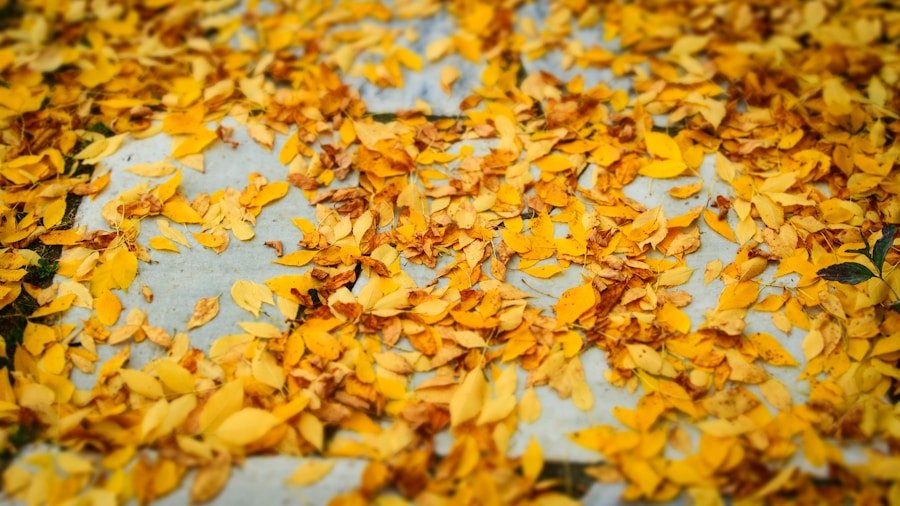

Yellowing leaves on plants can be a sign of various underlying issues, and understanding the causes is crucial in addressing the problem effectively. One common cause of yellowing leaves is nutrient deficiencies, particularly nitrogen, iron, and magnesium. When plants lack these essential nutrients, their leaves may turn yellow as a result. Another potential cause of yellowing leaves is overwatering or poor drainage. When plants are waterlogged, their roots may suffocate, leading to yellowing and wilting leaves. Additionally, environmental stressors such as extreme temperatures, excessive sunlight, or air pollution can also cause leaves to turn yellow.
Furthermore, diseases such as fungal infections or bacterial diseases can lead to yellowing leaves. These diseases can weaken the plant’s immune system and disrupt its ability to absorb nutrients, resulting in yellowing and wilting leaves. It’s important to note that pests such as aphids, spider mites, and whiteflies can also cause yellowing leaves by feeding on the plant’s sap and disrupting its normal functions. By understanding these various causes of yellowing leaves, gardeners can take appropriate measures to address the issue and restore their plants to health.
Identifying Common Pests and Diseases
Identifying common pests and diseases is essential in effectively managing yellowing leaves on plants. One common pest that can cause yellowing leaves is the aphid. These small insects feed on the sap of plants, causing them to become weak and yellowed. Another common pest is the spider mite, which can also cause yellowing leaves by sucking the plant’s juices. Additionally, whiteflies are another common pest that can lead to yellowing leaves by feeding on the plant’s sap and transmitting viral diseases.
In terms of diseases, fungal infections such as powdery mildew and downy mildew can cause yellowing leaves by inhibiting the plant’s ability to photosynthesize and absorb nutrients. Bacterial diseases such as bacterial leaf spot can also lead to yellowing leaves by causing lesions and tissue damage. By being able to identify these common pests and diseases, gardeners can take appropriate measures to control and prevent their spread, ultimately restoring their plants to health.
Proper Watering and Drainage Techniques
Proper watering and drainage techniques are essential in preventing yellowing leaves on plants. Overwatering can lead to waterlogged soil, which can suffocate the plant’s roots and cause yellowing and wilting leaves. To prevent overwatering, it’s important to water plants only when the top inch of soil is dry, and to ensure that pots have proper drainage holes. Additionally, using a well-draining potting mix can help prevent waterlogging and promote healthy root growth.
Furthermore, ensuring proper drainage in garden beds is crucial in preventing waterlogged soil and yellowing leaves. Amending the soil with organic matter such as compost can improve drainage and aeration, reducing the risk of waterlogging. Additionally, creating raised beds or planting on slopes can help prevent water from pooling around the roots of plants. By implementing proper watering and drainage techniques, gardeners can help prevent yellowing leaves caused by overwatering and poor drainage.
Fertilizing and Nutrient Deficiencies
Fertilizing and addressing nutrient deficiencies is crucial in preventing yellowing leaves on plants. Nitrogen, iron, and magnesium are essential nutrients for plant growth, and deficiencies in these nutrients can lead to yellowing leaves. Applying a balanced fertilizer with adequate levels of nitrogen, iron, and magnesium can help prevent nutrient deficiencies and promote healthy leaf growth. Additionally, using organic fertilizers such as compost or manure can provide a slow-release source of nutrients, promoting long-term plant health.
Furthermore, testing the soil for nutrient deficiencies can help identify specific deficiencies and guide the application of targeted fertilizers. Soil testing kits are readily available at garden centers and can provide valuable information about the nutrient levels in the soil. By addressing nutrient deficiencies through proper fertilization, gardeners can help prevent yellowing leaves and promote overall plant health.
Pruning and Removing Diseased Leaves
Pruning and removing diseased leaves is an important step in managing yellowing leaves on plants. When plants have yellowing or diseased leaves, it’s important to remove them promptly to prevent the spread of disease. Using clean, sharp pruners, gardeners should carefully remove affected leaves and branches, making clean cuts to minimize damage to the plant. It’s important to dispose of the removed plant material in a sealed bag to prevent the spread of disease to other plants.
Additionally, pruning can help improve air circulation and sunlight penetration, reducing the risk of fungal infections and promoting overall plant health. By removing diseased leaves and branches, gardeners can help prevent the spread of disease and promote healthy leaf growth.
Using Organic and Chemical Treatments
Using organic and chemical treatments can be effective in managing yellowing leaves caused by pests and diseases. Organic treatments such as neem oil, insecticidal soap, and horticultural oil can help control common pests such as aphids, spider mites, and whiteflies. These organic treatments work by suffocating pests or disrupting their life cycles, ultimately reducing their populations and preventing damage to plants.
In cases where pests or diseases are more severe, chemical treatments such as synthetic insecticides or fungicides may be necessary. It’s important to carefully follow the instructions on chemical treatments and use them sparingly to minimize their impact on beneficial insects and the environment. By using a combination of organic and chemical treatments as needed, gardeners can effectively manage pests and diseases that cause yellowing leaves on plants.
Preventing Future Yellowing Issues
Preventing future yellowing issues is essential in maintaining healthy plants over the long term. One key preventive measure is to practice good garden hygiene by regularly removing debris such as fallen leaves and dead plant material, which can harbor pests and diseases. Additionally, rotating crops in vegetable gardens can help prevent the buildup of pests and diseases in the soil.
Furthermore, promoting overall plant health through proper watering, fertilizing, and pruning can help prevent yellowing leaves caused by environmental stressors or nutrient deficiencies. Choosing disease-resistant plant varieties and providing adequate spacing between plants can also help prevent the spread of diseases. By implementing these preventive measures, gardeners can help maintain healthy plants with vibrant green foliage.
In conclusion, understanding the causes of yellowing leaves, identifying common pests and diseases, implementing proper watering and drainage techniques, addressing nutrient deficiencies through fertilization, pruning and removing diseased leaves, using organic and chemical treatments as needed, and preventing future yellowing issues are all essential steps in managing yellowing leaves on plants. By taking a proactive approach to plant care and addressing issues promptly, gardeners can help maintain healthy plants with lush green foliage.