
Understanding your garden’s blooming season is essential for creating a beautiful and vibrant outdoor space. Different plants bloom at different times of the year, and knowing when to expect blooms can help you plan and design your garden effectively. By understanding the blooming season, you can ensure that your garden is always filled with color and life, no matter the time of year.
One way to understand your garden’s blooming season is to research the specific plants you have in your garden. Each plant has its own unique blooming season, and by knowing when each plant is expected to bloom, you can create a garden that is constantly changing and evolving throughout the year. Additionally, understanding the blooming season can help you plan for future plantings, ensuring that you have a variety of blooms throughout the year. By taking the time to understand your garden’s blooming season, you can create a garden that is always bursting with color and life.
Another important aspect of understanding your garden’s blooming season is to consider the climate and growing conditions in your area. Different regions have different growing seasons, and understanding the specific conditions in your area can help you choose plants that will thrive and bloom in your garden. By considering the climate and growing conditions, you can select plants that are well-suited to your garden, ensuring that they will bloom and flourish throughout the year. Overall, understanding your garden’s blooming season is crucial for creating a beautiful and vibrant outdoor space that is always filled with color and life.
Selecting a Variety of Plants for Continuous Blooms
Selecting a variety of plants for continuous blooms is key to creating a garden that is always bursting with color and life. By choosing plants that bloom at different times of the year, you can ensure that your garden is constantly changing and evolving, providing a beautiful and dynamic outdoor space. When selecting plants for continuous blooms, it’s important to consider the specific blooming seasons of each plant, as well as their individual care requirements.
One way to select a variety of plants for continuous blooms is to choose a mix of annuals, perennials, and biennials. Annuals typically bloom for one season, while perennials return year after year, and biennials bloom every other year. By choosing a mix of these types of plants, you can create a garden that is always filled with color and life, no matter the time of year. Additionally, selecting a variety of plants with different blooming seasons can help ensure that your garden is always bursting with color and life.
Another important aspect of selecting a variety of plants for continuous blooms is to consider the specific growing conditions in your garden. Different plants have different care requirements, and by choosing plants that are well-suited to your garden’s climate and growing conditions, you can ensure that they will thrive and bloom throughout the year. By taking the time to select a variety of plants for continuous blooms, you can create a garden that is always bursting with color and life, providing a beautiful and dynamic outdoor space for you to enjoy.
Planning and Implementing Succession Planting
Planning and implementing succession planting is an effective way to ensure that your garden is always filled with color and life. Succession planting involves planting new crops or flowers as soon as the previous ones have finished blooming, ensuring that there are always plants in bloom throughout the growing season. By planning and implementing succession planting, you can create a garden that is constantly changing and evolving, providing a beautiful and dynamic outdoor space.
One way to plan and implement succession planting is to create a planting schedule that outlines when each crop or flower should be planted. By carefully planning when to plant each crop or flower, you can ensure that there are always plants in bloom throughout the growing season. Additionally, by staggering plantings, you can extend the blooming season and ensure that your garden is always bursting with color and life.
Another important aspect of planning and implementing succession planting is to consider the specific care requirements of each plant. Different plants have different needs when it comes to water, sunlight, and soil conditions, and by understanding these requirements, you can ensure that each plant thrives and blooms as expected. By taking the time to plan and implement succession planting, you can create a garden that is always filled with color and life, providing a beautiful and dynamic outdoor space for you to enjoy.
Extending the Blooming Season with Strategic Pruning
Extending the blooming season with strategic pruning is an effective way to ensure that your garden is always bursting with color and life. Pruning involves removing dead or overgrown branches from plants, which can help promote new growth and encourage more blooms. By strategically pruning your plants, you can extend the blooming season and ensure that your garden is always filled with color and life.
One way to extend the blooming season with strategic pruning is to prune plants after they have finished blooming. By removing dead or spent flowers, you can encourage new growth and additional blooms, ensuring that your garden continues to thrive throughout the growing season. Additionally, by pruning back overgrown branches, you can promote new growth and encourage more blooms, creating a garden that is always bursting with color and life.
Another important aspect of extending the blooming season with strategic pruning is to consider the specific care requirements of each plant. Different plants have different pruning needs, and by understanding these requirements, you can ensure that you are pruning your plants effectively. By taking the time to strategically prune your plants, you can extend the blooming season and create a garden that is always filled with color and life.
Utilizing Seasonal Containers and Hanging Baskets
Utilizing seasonal containers and hanging baskets is an effective way to add color and interest to your garden throughout the year. Containers and hanging baskets allow you to easily change out plants as they finish blooming, ensuring that there are always new blooms to enjoy. By utilizing seasonal containers and hanging baskets, you can create a garden that is constantly changing and evolving, providing a beautiful and dynamic outdoor space.
One way to utilize seasonal containers and hanging baskets is to choose plants that are well-suited to the specific growing conditions in your area. By selecting plants that thrive in containers or hanging baskets, you can ensure that they will bloom and flourish throughout the year. Additionally, by choosing a mix of annuals, perennials, and biennials, you can create containers and hanging baskets that are always bursting with color and life.
Another important aspect of utilizing seasonal containers and hanging baskets is to consider the specific care requirements of each plant. Different plants have different needs when it comes to water, sunlight, and soil conditions, and by understanding these requirements, you can ensure that your plants thrive in their containers or hanging baskets. By taking the time to utilize seasonal containers and hanging baskets, you can create a garden that is always filled with color and life, providing a beautiful and dynamic outdoor space for you to enjoy.
Incorporating Bulbs and Perennials for Extended Blooms
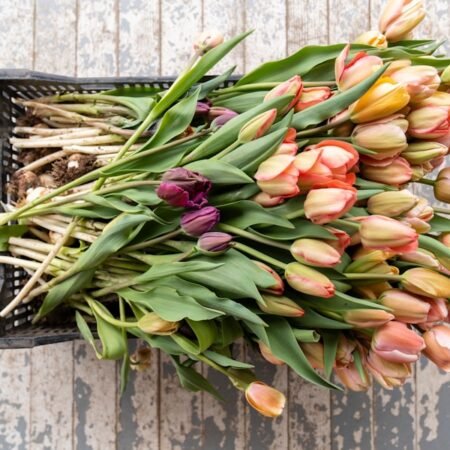
Incorporating bulbs and perennials for extended blooms is an effective way to ensure that your garden is always bursting with color and life. Bulbs such as tulips, daffodils, and crocuses bloom early in the spring, while perennials such as daylilies, coneflowers, and black-eyed Susans bloom throughout the summer months. By incorporating bulbs and perennials into your garden, you can create a beautiful outdoor space that is constantly changing and evolving throughout the year.
One way to incorporate bulbs and perennials for extended blooms is to choose a mix of early-blooming bulbs and late-blooming perennials. By selecting plants with different blooming seasons, you can ensure that there are always new blooms to enjoy in your garden. Additionally, by choosing a mix of colors, shapes, and sizes, you can create a diverse and visually appealing outdoor space.
Another important aspect of incorporating bulbs and perennials for extended blooms is to consider the specific care requirements of each plant. Different bulbs and perennials have different needs when it comes to water, sunlight, and soil conditions, and by understanding these requirements, you can ensure that they thrive in your garden. By taking the time to incorporate bulbs and perennials for extended blooms, you can create a garden that is always filled with color and life.
Creating a Pollinator-Friendly Garden for Year-Round Beauty
Creating a pollinator-friendly garden for year-round beauty is an effective way to ensure that your garden is always bursting with color and life. Pollinators such as bees, butterflies, and hummingbirds play a crucial role in plant reproduction, and by creating a garden that attracts these pollinators, you can ensure that your garden thrives throughout the year. Additionally, by choosing plants that are well-suited to pollinators’ needs, you can create a beautiful outdoor space that is constantly changing and evolving.
One way to create a pollinator-friendly garden for year-round beauty is to choose a mix of plants that provide nectar and pollen throughout the year. By selecting plants with different blooming seasons, you can ensure that there are always flowers for pollinators to enjoy in your garden. Additionally, by choosing a mix of colors, shapes, and sizes, you can create a diverse and visually appealing outdoor space.
Another important aspect of creating a pollinator-friendly garden for year-round beauty is to consider the specific needs of pollinators in your area. Different pollinators have different needs when it comes to food sources, nesting sites, and water sources, so it’s important to understand these requirements when planning your garden. By taking the time to create a pollinator-friendly garden for year-round beauty, you can ensure that your garden is always filled with color and life.
In conclusion, understanding your garden’s blooming season is essential for creating a beautiful outdoor space that is constantly changing and evolving throughout the year. By selecting a variety of plants for continuous blooms, planning and implementing succession planting, extending the blooming season with strategic pruning, utilizing seasonal containers and hanging baskets, incorporating bulbs and perennials for extended blooms, and creating a pollinator-friendly garden for year-round beauty, you can ensure that your garden is always bursting with color and life. With careful planning and consideration of each plant’s specific needs, you can create a vibrant outdoor space that provides beauty year-round.