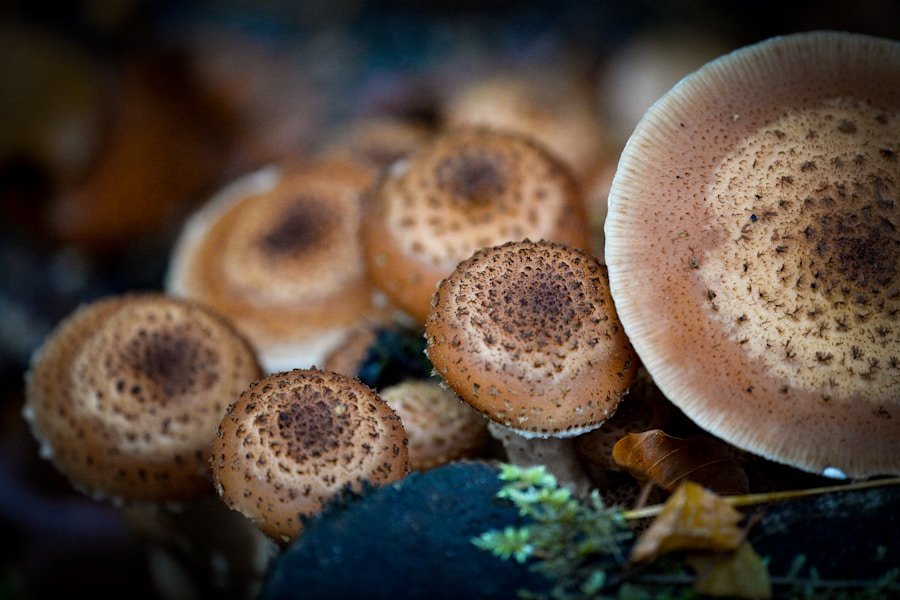

Fungal infections pose a significant threat to the health and vitality of flowers. Fungi are microscopic organisms that thrive in warm, moist environments, making them particularly problematic for plants that are overwatered or grown in poorly-draining soil. Once a fungal infection takes hold, it can spread rapidly, causing wilting, yellowing, and even death of the affected flowers. Common types of fungal infections include powdery mildew, botrytis, and rust, each with its own set of symptoms and treatment options. It’s important for gardeners to understand the threat of fungal infections and take proactive measures to prevent their occurrence.
Fungal infections can be particularly devastating for flowers, as they can quickly spread throughout an entire garden if left unchecked. In addition to causing unsightly blemishes on leaves and flowers, fungal infections can also weaken the overall health of the plant, making it more susceptible to other diseases and pests. Understanding the threat of fungal infections is crucial for gardeners who want to maintain healthy, vibrant flowers. By learning about the common types of fungal infections and their symptoms, gardeners can take steps to prevent their occurrence and minimize their impact on their plants.
Proper Watering Techniques to Prevent Fungal Growth
Proper watering techniques are essential for preventing fungal growth in flowers. Overwatering can create a damp, humid environment that is ideal for fungal spores to germinate and spread. To prevent this, it’s important to water flowers at the base of the plant, rather than from above, to avoid wetting the foliage. Additionally, it’s important to water flowers in the morning, allowing any excess moisture to evaporate throughout the day. Using a soaker hose or drip irrigation system can also help to deliver water directly to the roots of the plants, minimizing the risk of fungal growth.
In addition to proper watering techniques, it’s important to ensure that flowers are grown in well-draining soil to prevent fungal growth. Soil that is too compacted or retains too much moisture can create an environment that is conducive to fungal infections. Adding organic matter, such as compost or peat moss, to the soil can improve its drainage and aeration, reducing the risk of fungal growth. By implementing proper watering techniques and ensuring that flowers are grown in well-draining soil, gardeners can significantly reduce the risk of fungal infections in their gardens.
Choosing the Right Soil and Fertilizers for Fungal Prevention
Choosing the right soil and fertilizers is crucial for preventing fungal infections in flowers. Soil that is rich in organic matter and well-draining is essential for promoting healthy root growth and preventing the development of fungal diseases. Gardeners should look for soil mixes that contain a balance of sand, silt, and clay, as well as plenty of organic matter such as compost or peat moss. Additionally, using a slow-release fertilizer can help to provide flowers with the nutrients they need without promoting excessive vegetative growth that can make them more susceptible to fungal infections.
In addition to choosing the right soil, it’s important to select fertilizers that are specifically formulated for flowers and are low in nitrogen. High levels of nitrogen can promote lush, green growth that is more susceptible to fungal infections. Instead, gardeners should look for fertilizers that contain a balanced ratio of nitrogen, phosphorus, and potassium, as well as micronutrients such as calcium and magnesium. By choosing the right soil and fertilizers for their flowers, gardeners can create an environment that is less hospitable to fungal infections.
Pruning and Cleaning Practices to Keep Fungus at Bay
Pruning and cleaning practices are essential for keeping fungus at bay in flower gardens. Regular pruning helps to improve air circulation around plants, reducing the humidity levels that can promote fungal growth. Dead or diseased plant material should be promptly removed and disposed of to prevent the spread of fungal spores. Additionally, it’s important to clean gardening tools regularly to prevent the transmission of fungal diseases from one plant to another. Disinfecting tools with a solution of bleach and water can help to kill any lingering spores and prevent the spread of infection.
In addition to pruning and cleaning practices, it’s important to remove any fallen leaves or debris from around plants to prevent the buildup of fungal spores. Fallen leaves can create a damp, humid environment that is ideal for fungal growth, so it’s important to keep garden beds clean and free of debris. By implementing regular pruning and cleaning practices, gardeners can significantly reduce the risk of fungal infections in their flower gardens.
Natural Remedies for Fungal Infections in Flowers
There are several natural remedies that can be used to treat fungal infections in flowers. One common remedy is neem oil, which is derived from the seeds of the neem tree and has antifungal properties. Neem oil can be diluted with water and sprayed onto affected plants to help control fungal infections. Another natural remedy is baking soda, which can be mixed with water and sprayed onto plants to help prevent the spread of powdery mildew and other fungal diseases. Additionally, garlic and onion sprays have been shown to have antifungal properties and can be used to help control fungal infections in flowers.
In addition to natural sprays, there are several cultural practices that can help to prevent and control fungal infections in flowers. Planting flowers in well-draining soil, providing adequate air circulation, and avoiding overhead watering can all help to reduce the risk of fungal diseases. Additionally, removing and disposing of infected plant material promptly can help to prevent the spread of infection. By using natural remedies and implementing cultural practices, gardeners can effectively manage fungal infections in their flower gardens.
Recognizing the Signs of Fungal Infections in Flowers
Recognizing the signs of fungal infections in flowers is crucial for effective treatment and prevention. Common signs of fungal infections include wilting, yellowing or browning of leaves, distorted growth, and the presence of powdery or fuzzy growth on leaves or flowers. Different types of fungi may cause different symptoms, so it’s important for gardeners to familiarize themselves with the signs of common fungal diseases such as powdery mildew, botrytis, and rust. By recognizing these signs early on, gardeners can take proactive measures to prevent the spread of infection and minimize its impact on their plants.
In addition to visual symptoms, gardeners should also pay attention to other signs of fungal infections such as a musty or moldy odor coming from affected plants. This can indicate the presence of botrytis or other types of mold that thrive in damp conditions. It’s important for gardeners to regularly inspect their plants for signs of fungal infections so that they can take prompt action to prevent their spread. By recognizing the signs of fungal infections in flowers early on, gardeners can effectively manage these diseases and protect the health of their plants.
Seeking Professional Help for Stubborn Fungal Infections
In some cases, stubborn fungal infections may require professional help to effectively manage. If natural remedies and cultural practices have not been successful in controlling a fungal infection, it may be necessary to seek assistance from a professional horticulturist or plant pathologist. These experts can provide valuable insight into the specific type of fungus affecting a plant and recommend appropriate treatment options. They may also be able to conduct laboratory tests to identify the exact type of fungus present and develop a targeted treatment plan.
Professional help may also be necessary if a fungal infection has spread extensively throughout a garden or if it is affecting valuable or rare plant specimens. In these cases, a professional may be able to provide specialized treatments or recommend alternative planting strategies to prevent future outbreaks. By seeking professional help for stubborn fungal infections, gardeners can ensure that they are taking the most effective measures to protect their plants and prevent the spread of infection.
In conclusion, understanding the threat of fungal infections is crucial for maintaining healthy flowers in a garden. By implementing proper watering techniques, choosing the right soil and fertilizers, practicing regular pruning and cleaning, using natural remedies when necessary, recognizing the signs of infection early on, and seeking professional help when needed, gardeners can effectively manage fungal infections in their flower gardens and protect the health and vitality of their plants. With proactive measures and careful attention to detail, it is possible to minimize the impact of fungal diseases on flowers and enjoy a beautiful and thriving garden year-round.