
Aphids are small, soft-bodied insects that are commonly found in gardens and on plants. They come in a variety of colors, including green, yellow, and black, and can be identified by their pear-shaped bodies and long antennae. These pests are known for their rapid reproduction rates, with females capable of producing up to 80 offspring in just one week. Aphids feed on the sap of plants by piercing the plant tissue with their needle-like mouthparts, which can cause damage to the plant and lead to stunted growth and wilting. In addition to their feeding habits, aphids also excrete a sticky substance known as honeydew, which can attract other pests such as ants and mold. Understanding the characteristics and behavior of aphids is crucial for effective pest management.
In terms of behavior, aphids are known for their ability to reproduce asexually, meaning that females can give birth to live young without the need for mating. This rapid reproduction allows aphid populations to quickly multiply and infest plants in a short amount of time. Aphids are also known for their ability to transmit plant diseases, making them a significant threat to the health of gardens and crops. By understanding the identifying characteristics and behavior of aphids, gardeners and farmers can take proactive measures to prevent infestations and minimize the damage caused by these pests.
Prevention Techniques: Creating an Aphid-Unfriendly Environment
Preventing aphid infestations begins with creating an environment that is unfriendly to these pests. One effective technique is to encourage biodiversity in the garden, as diverse plantings can attract natural predators of aphids, such as ladybugs and lacewings. Additionally, planting aromatic herbs and flowers, such as mint, fennel, and dill, can help repel aphids and other pests. Another prevention technique is to regularly inspect plants for signs of aphid infestations and promptly remove any affected plant parts to prevent the spread of the pests. Furthermore, maintaining healthy plants through proper watering, fertilization, and pruning can help reduce the likelihood of aphid infestations.
In addition to cultural practices, physical barriers can also be used to prevent aphid infestations. For example, using row covers or netting can help protect plants from aphids while still allowing air, light, and water to reach the plants. These barriers can be particularly useful for protecting young or vulnerable plants from aphid damage. By implementing prevention techniques such as encouraging biodiversity, inspecting plants regularly, and using physical barriers, gardeners can create an environment that is less hospitable to aphids and reduce the risk of infestations.
Natural Predators: Utilizing Beneficial Insects to Control Aphid Populations
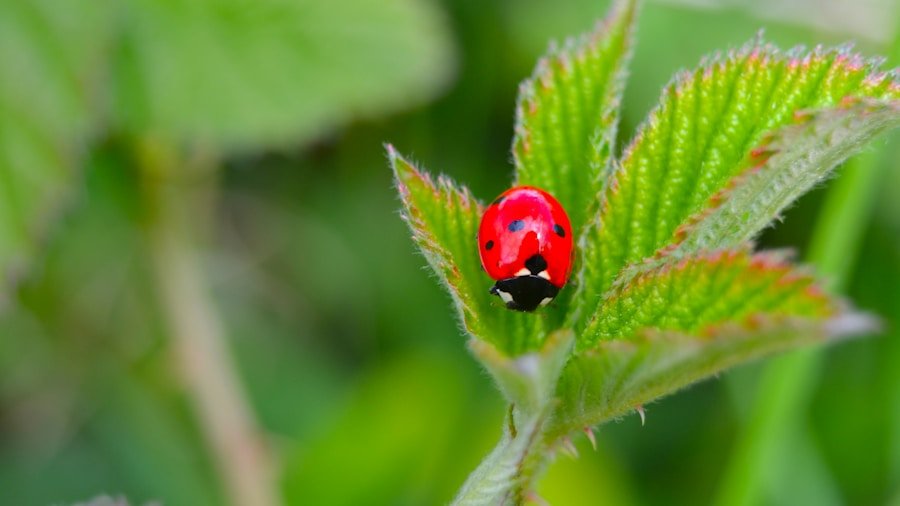
One of the most effective ways to control aphid populations is by utilizing natural predators that feed on these pests. Ladybugs, also known as ladybird beetles, are well-known predators of aphids and can consume large numbers of these pests in a short amount of time. Lacewings are another beneficial insect that preys on aphids, with their larvae being particularly voracious feeders. In addition to ladybugs and lacewings, parasitic wasps are also important natural enemies of aphids. These tiny wasps lay their eggs inside aphids, which then hatch and consume the pests from the inside out. By encouraging the presence of these beneficial insects in the garden, gardeners can effectively control aphid populations without the need for chemical pesticides.
In order to attract natural predators of aphids, it is important to provide a diverse habitat that includes a variety of flowering plants and shelter for these beneficial insects. Planting nectar-rich flowers such as dill, yarrow, and fennel can help attract ladybugs and other predators to the garden. Additionally, providing shelter in the form of dense vegetation or insect hotels can create a welcoming environment for these beneficial insects. By utilizing natural predators to control aphid populations, gardeners can reduce the need for chemical pesticides and promote a healthy balance of insect life in the garden.
DIY Remedies: Homemade Solutions for Aphid Infestations
For gardeners who prefer natural alternatives to chemical pesticides, there are several DIY remedies that can be used to control aphid infestations. One popular homemade solution is a garlic spray, which can be made by blending garlic cloves with water and straining the mixture into a spray bottle. This pungent spray can repel aphids and other pests from plants while also providing some antifungal properties. Another DIY remedy is a soap spray, which can be made by mixing liquid soap with water and spraying it directly onto affected plants. The soap works by suffocating the aphids and disrupting their cell membranes, ultimately leading to their demise.
In addition to garlic and soap sprays, neem oil is another effective DIY remedy for controlling aphids. Neem oil is derived from the seeds of the neem tree and has insecticidal properties that can repel and kill aphids on contact. To make a neem oil spray, simply mix the oil with water and a small amount of liquid soap to help emulsify the mixture. This natural remedy can be applied to plants as needed to control aphid infestations without harming beneficial insects or other wildlife. By using homemade solutions such as garlic spray, soap spray, and neem oil, gardeners can effectively manage aphid populations while minimizing their impact on the environment.
Chemical-Free Treatments: Safe and Effective Methods for Aphid Control
While chemical pesticides are often used to control aphid infestations, there are several chemical-free treatments that can be just as effective without harming beneficial insects or other wildlife. One such treatment is horticultural oil, which is derived from petroleum or plant-based sources and works by suffocating aphids on contact. Horticultural oil can be applied to plants as a spray and is particularly effective for controlling overwintering aphid eggs on fruit trees and ornamental shrubs. Another chemical-free treatment is insecticidal soap, which is made from potassium salts of fatty acids and works by disrupting the cell membranes of aphids and other soft-bodied insects.
In addition to horticultural oil and insecticidal soap, kaolin clay is another safe and effective method for controlling aphids. This natural mineral clay forms a protective barrier on plant surfaces that deters aphids from feeding and laying eggs. Kaolin clay can be applied as a spray or dusted onto plants as needed to prevent aphid infestations without harming beneficial insects or other wildlife. By utilizing chemical-free treatments such as horticultural oil, insecticidal soap, and kaolin clay, gardeners can effectively control aphid populations while minimizing their impact on the environment.
Monitoring and Early Detection: Identifying Aphid Infestations before They Become Severe
Monitoring plants for signs of aphid infestations is crucial for early detection and effective pest management. One common sign of aphid infestations is the presence of sticky honeydew on plant surfaces, which can attract ants and mold. Additionally, distorted or discolored leaves may indicate feeding damage caused by aphids, while the presence of shed skins or cast-off exoskeletons may indicate an active infestation. By regularly inspecting plants for these signs of aphid activity, gardeners can identify infestations before they become severe and take proactive measures to control the pests.
In addition to visual inspections, using yellow sticky traps can help monitor for flying aphids in the garden. These traps can be placed near plants at risk for aphid infestations and will capture adult aphids as they fly around looking for new host plants. By monitoring plants for signs of aphid infestations and using yellow sticky traps to capture flying adults, gardeners can identify pest problems early on and implement control measures before they become severe.
Long-Term Management: Sustainable Practices for Keeping Aphids at Bay
In order to achieve long-term management of aphids, it is important to implement sustainable practices that promote a healthy balance of insect life in the garden. One such practice is crop rotation, which involves planting different crops in different areas each year to disrupt pest life cycles and reduce the buildup of aphid populations. Additionally, intercropping or companion planting can help deter aphids by creating a diverse habitat that attracts natural predators of these pests. By planting aromatic herbs such as basil or marigolds alongside susceptible crops, gardeners can help repel aphids while also attracting beneficial insects.
Another sustainable practice for long-term management of aphids is soil health management. Healthy soil with good fertility and structure can promote strong plant growth that is more resistant to pest damage. Additionally, avoiding excessive use of nitrogen fertilizer can help reduce the attractiveness of plants to aphids while promoting a more balanced ecosystem in the garden. By implementing sustainable practices such as crop rotation, intercropping, companion planting, and soil health management, gardeners can keep aphids at bay while promoting a healthy and diverse garden ecosystem.
In conclusion, understanding the characteristics and behavior of aphids is crucial for effective pest management in gardens and on plants. By implementing prevention techniques such as creating an unfriendly environment for aphids and utilizing natural predators to control populations, gardeners can reduce the need for chemical pesticides while promoting a healthy balance of insect life in the garden. Additionally, DIY remedies and chemical-free treatments provide safe and effective methods for controlling aphids without harming beneficial insects or other wildlife. By monitoring plants for signs of infestations and implementing long-term management practices that promote sustainability, gardeners can keep aphids at bay while maintaining a healthy and diverse garden ecosystem.