
Flower meditation has a rich history that dates back thousands of years. In ancient civilizations such as Egypt, Greece, and India, flowers were revered for their beauty and symbolism, and were often used in religious and spiritual practices. The ancient Egyptians, for example, used flowers in their religious ceremonies and believed that they had the power to bring about spiritual transformation. In India, flowers have long been associated with the divine and are used in various rituals and offerings to the gods. In the Buddhist tradition, flowers are seen as symbols of impermanence and are often used in meditation practices to remind practitioners of the transient nature of life. In more recent history, flower meditation has gained popularity in the West as a way to connect with nature and cultivate inner peace and mindfulness.
The use of flowers in meditation has been documented in various spiritual traditions throughout history. In ancient China, for example, flowers were used in Taoist meditation practices to symbolize the interconnectedness of all living beings. In Japan, the art of flower arranging, known as ikebana, has deep spiritual significance and is often used as a form of meditation. In the Hindu tradition, flowers are used in puja, or worship, as offerings to the gods. In the Christian tradition, flowers have been used as symbols of purity and resurrection, and are often used in religious ceremonies and rituals. The use of flowers in meditation is not limited to any one culture or tradition, but is a universal practice that has been embraced by people around the world for centuries.
The Symbolism of Flowers in Different Spiritual Traditions
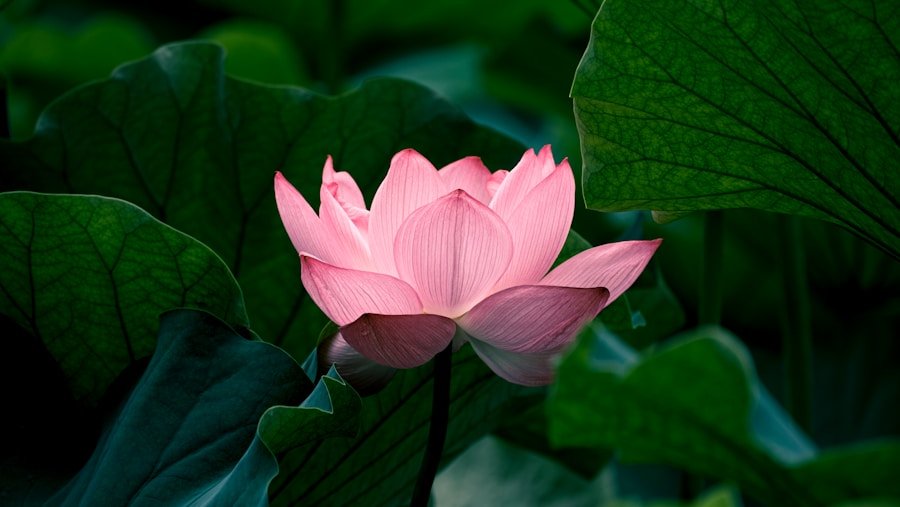
Flowers have long been used as symbols of spirituality and enlightenment in various religious and spiritual traditions. In Hinduism, for example, the lotus flower is a symbol of purity and divine beauty, and is often associated with the goddess Lakshmi. In Buddhism, the lotus flower is also highly revered and is seen as a symbol of enlightenment and spiritual awakening. In Christianity, the rose is often used as a symbol of the Virgin Mary and is associated with love and purity. In the Islamic tradition, flowers are often used in religious art and architecture as symbols of paradise and divine beauty. In Native American traditions, flowers are seen as symbols of healing and are often used in spiritual ceremonies and rituals.
The symbolism of flowers in different spiritual traditions is vast and varied, but one common theme that emerges is the idea of beauty, purity, and transcendence. Flowers are often seen as representations of the divine and are used as a way to connect with the sacred in meditation practices. Whether it’s the lotus flower in Buddhism, the rose in Christianity, or the marigold in Hinduism, flowers have long been used as powerful symbols of spirituality and enlightenment in cultures around the world.
How to Incorporate Flowers into Your Meditation Practice
Incorporating flowers into your meditation practice can be a simple yet powerful way to enhance your spiritual experience. One way to do this is by creating a small altar or sacred space with fresh flowers that you can sit near during your meditation practice. You can choose flowers that hold personal significance for you or that have specific spiritual meanings. For example, if you are seeking to cultivate inner peace and tranquility, you might choose white flowers such as lilies or jasmine. If you are seeking to connect with your heart center and cultivate love and compassion, you might choose pink or red flowers such as roses or peonies.
Another way to incorporate flowers into your meditation practice is by using them as a focal point for your meditation. You can place a single flower in front of you and use it as an object of contemplation, allowing its beauty and fragrance to guide you into a state of deep relaxation and presence. You can also use flowers as part of a walking meditation practice, taking slow, mindful steps while focusing on the beauty and symbolism of the flowers around you. However you choose to incorporate flowers into your meditation practice, the key is to approach it with an open heart and a sense of reverence for the natural world.
The Healing Properties of Flowers in Meditation
Flowers have long been associated with healing and wellness in various cultures around the world. In traditional Chinese medicine, for example, flowers are used as herbal remedies to treat a wide range of physical and emotional ailments. In aromatherapy, essential oils extracted from flowers are used to promote relaxation, reduce stress, and uplift the spirit. When used in meditation practices, flowers can have a profound healing effect on the mind, body, and spirit.
One way that flowers can promote healing in meditation is through their fragrance. The scent of certain flowers such as lavender, rose, or jasmine can have a calming effect on the nervous system and can help to reduce anxiety and promote a sense of peace and well-being. In addition to their fragrance, the visual beauty of flowers can also have a healing effect on the mind. Studies have shown that simply being in the presence of flowers can reduce stress levels and promote feelings of happiness and contentment. When used in meditation practices, flowers can serve as powerful tools for promoting relaxation, reducing stress, and cultivating inner peace.
Exploring the Connection Between Flowers and Inner Peace
The connection between flowers and inner peace has been recognized for centuries in various spiritual traditions around the world. In Buddhism, for example, the lotus flower is often used as a symbol of inner peace and enlightenment. The lotus grows from muddy waters but blooms into a beautiful flower, symbolizing the journey from darkness to light. In Hinduism, flowers are often used in puja, or worship, as offerings to the gods as a way to cultivate inner peace and spiritual connection.
When we take time to connect with nature and appreciate the beauty of flowers, we can experience a sense of inner peace and tranquility. The act of tending to a garden or arranging fresh flowers can be a meditative practice in itself, allowing us to slow down and be present in the moment. When we bring fresh flowers into our homes or meditation spaces, we create an environment that is conducive to relaxation and inner peace. By incorporating flowers into our meditation practices, we can deepen our connection with nature and cultivate a sense of inner peace that extends beyond our meditation sessions.
The Role of Flowers in Cultivating Mindfulness and Presence
Flowers can play a powerful role in cultivating mindfulness and presence in meditation practices. When we take time to observe the beauty of a flower – its color, shape, fragrance – we are drawn into the present moment and become fully engaged with our senses. This act of focused attention on the present moment is at the heart of mindfulness practice.
Incorporating flowers into our meditation practices can also help us to cultivate a sense of gratitude for the natural world. When we take time to appreciate the beauty of a flower, we are reminded of the interconnectedness of all living beings and our place within the web of life. This sense of interconnectedness can help us to cultivate compassion and empathy for others, leading to greater peace and harmony within ourselves and with others.
Creating a Sacred Space with Flowers for Meditation
Creating a sacred space with flowers for meditation can be a deeply nourishing practice that helps to create an environment conducive to relaxation and inner peace. One way to do this is by creating a small altar or shrine with fresh flowers that you can sit near during your meditation practice. You can choose flowers that hold personal significance for you or that have specific spiritual meanings.
Another way to create a sacred space with flowers for meditation is by using them as part of a ritual or ceremony. You might choose to perform a simple flower offering as part of your meditation practice, using fresh flowers as symbols of gratitude and reverence for the natural world. You can also use flowers as part of a visualization practice, imagining yourself surrounded by a field of beautiful blooms as you cultivate feelings of peace and tranquility.
In conclusion, flower meditation has a rich history that dates back thousands of years and has been embraced by various spiritual traditions around the world. Flowers have long been used as symbols of spirituality and enlightenment, and incorporating them into our meditation practices can be a powerful way to enhance our spiritual experience. Whether it’s through creating a sacred space with fresh flowers or using them as objects of contemplation during meditation, flowers can help us to cultivate inner peace, mindfulness, and presence. By taking time to connect with nature and appreciate the beauty of flowers, we can deepen our spiritual practice and experience greater harmony within ourselves and with the world around us.