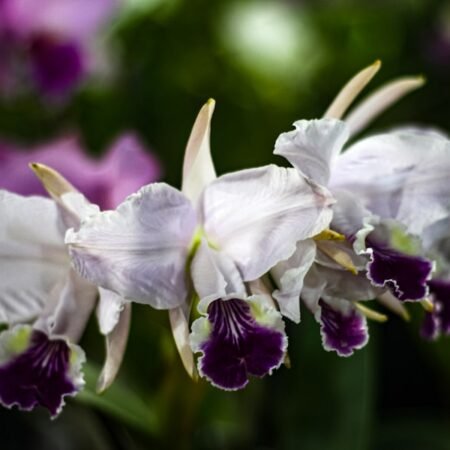
Flowers have held significant symbolism in religious traditions across the world for centuries. In many cultures, flowers are seen as representations of purity, beauty, and the divine. In Hinduism, for example, the lotus flower holds great significance as a symbol of purity and enlightenment. The lotus is often associated with deities such as Lakshmi and Saraswati, and is used in religious ceremonies and rituals. In Christianity, the rose is often used as a symbol of the Virgin Mary, and is associated with love, purity, and resurrection. In Buddhism, the lotus flower is also revered as a symbol of purity and enlightenment, as it is able to grow and thrive in muddy waters, yet remain untainted by its surroundings. The use of flowers in religious traditions serves to connect the physical world with the spiritual realm, and to convey deep spiritual meanings and messages.
In addition to their symbolic meanings, flowers are also seen as representations of the cycle of life and death in many religious traditions. In Buddhism, for example, the lotus flower is often used to symbolize the cycle of birth, death, and rebirth. In Hinduism, flowers are used in funeral rites to symbolize the impermanence of life and the cycle of death and rebirth. In this way, flowers serve as a reminder of the transient nature of life, and the eternal cycle of existence. The symbolism of flowers in religious traditions serves to convey profound spiritual truths and teachings, and to connect individuals with the deeper mysteries of life and existence.
The Use of Flowers in Religious Ceremonies and Rituals
The use of flowers in religious ceremonies and rituals is a common practice across many different religious traditions. In Hinduism, for example, flowers are used in various rituals and ceremonies, such as weddings, funerals, and religious festivals. Flowers are offered to deities as a form of worship, and are used to adorn sacred spaces and altars. In Christianity, flowers are often used to decorate churches and religious spaces during important religious holidays such as Easter and Christmas. The use of flowers in religious ceremonies serves to create a sense of beauty and sacredness, and to enhance the spiritual experience for worshippers.
In addition to their decorative use, flowers are also used in religious ceremonies as offerings to deities and as a form of devotion. In Hinduism, for example, devotees offer flowers to deities as a way of expressing their love and devotion. In Buddhism, flowers are often used as offerings on altars as a symbol of respect and reverence. The act of offering flowers in religious ceremonies serves to create a sense of connection between the physical world and the spiritual realm, and to express deep feelings of love, gratitude, and devotion towards the divine.
Flowers as Offerings and Devotional Objects
Flowers have long been used as offerings and devotional objects in religious practices around the world. In Hinduism, for example, devotees offer flowers to deities as a form of worship and devotion. The act of offering flowers is seen as a way to express love, gratitude, and reverence towards the divine. In Buddhism, flowers are often used as offerings on altars as a symbol of respect and devotion. The act of offering flowers in religious practices serves to create a sense of connection between the physical world and the spiritual realm, and to express deep feelings of love and devotion towards the divine.
In addition to their use as offerings, flowers are also used as devotional objects in many religious traditions. In Christianity, for example, flowers are often used to adorn statues of the Virgin Mary or other saints as a form of devotion. In Hinduism, flowers are often used to adorn sacred spaces and altars as a way to create a sense of beauty and sacredness. The use of flowers as devotional objects serves to enhance the spiritual experience for worshippers, and to create a sense of connection with the divine.
The Role of Flowers in Religious Art and Architecture
Flowers have played a significant role in religious art and architecture throughout history. In many religious traditions, flowers are used as decorative motifs in religious art and architecture to create a sense of beauty and sacredness. In Hindu temples, for example, intricate floral designs are often carved into stone pillars and walls as a way to adorn sacred spaces. In Christian cathedrals, stained glass windows often depict images of flowers as symbols of purity and beauty. The use of flowers in religious art and architecture serves to create a sense of reverence and awe, and to enhance the spiritual experience for worshippers.
In addition to their decorative use, flowers are also used in religious art and architecture as symbols of deeper spiritual meanings. In Hinduism, for example, the lotus flower is often depicted in religious art as a symbol of purity and enlightenment. In Christian art, the rose is often used as a symbol of the Virgin Mary, and is associated with love, purity, and resurrection. The use of flowers in religious art serves to convey profound spiritual truths and teachings, and to connect individuals with the deeper mysteries of life and existence.
Flowers in Mythology and Folklore
Flowers have long been associated with mythology and folklore in many different cultures around the world. In Greek mythology, for example, the story of Persephone is often associated with the blooming of flowers in springtime. According to the myth, Persephone was abducted by Hades and taken to the underworld, causing her mother Demeter to grieve so deeply that she caused all plant life on earth to wither away. When Persephone was allowed to return to the surface world for part of the year, Demeter’s joy caused all plant life to bloom once again. This myth is often seen as an explanation for the changing seasons, with Persephone’s return symbolizing the rebirth of plant life in springtime.
In addition to mythology, flowers have also been associated with folklore in many cultures around the world. In Japan, for example, cherry blossoms are often associated with themes of transience and impermanence in traditional folklore. The fleeting beauty of cherry blossoms is seen as a metaphor for the transient nature of life itself. In Celtic folklore, certain flowers such as daisies and daffodils are associated with themes of love and fertility. The association of flowers with mythology and folklore serves to convey deeper spiritual meanings and messages about the nature of life and existence.
The Spiritual and Healing Properties of Flowers
In addition to their symbolic meanings and decorative uses in religious traditions, flowers are also believed to possess spiritual and healing properties in many cultures around the world. In traditional Chinese medicine, for example, certain flowers such as chrysanthemums are believed to have healing properties that can help alleviate various ailments such as headaches or fevers. In Ayurvedic medicine, certain flowers such as jasmine are believed to have calming properties that can help reduce stress and anxiety.
In addition to their healing properties, flowers are also believed to possess spiritual qualities that can help individuals connect with the divine. In many cultures around the world, flowers are used in spiritual practices such as meditation or prayer to create a sense of peace and tranquility. The act of surrounding oneself with flowers is believed to help individuals connect with their inner selves and with the deeper mysteries of existence.
Contemporary Practices and Perspectives on Flowers in Religion
In contemporary times, the use of flowers in religious practices continues to hold significant meaning for many individuals around the world. In Hinduism, for example, flowers continue to be used in various rituals and ceremonies as offerings to deities or as decorations for sacred spaces. In Christianity, flowers are still used to decorate churches during important religious holidays such as Easter or Christmas.
In addition to traditional practices, contemporary perspectives on flowers in religion have also evolved to include new forms of expression. For example, some individuals may choose to create floral mandalas or arrangements as a form of meditation or prayer practice. Others may choose to incorporate flower essences or aromatherapy into their spiritual practices as a way to connect with the healing properties of flowers.
Overall, the use of flowers in religious traditions continues to hold deep significance for many individuals around the world. Whether used as symbols of purity and enlightenment or as offerings to deities, flowers continue to play an important role in connecting individuals with deeper spiritual truths and teachings. As our understanding of the spiritual and healing properties of flowers continues to evolve, it is likely that their use in religious practices will continue to hold significance for generations to come.