
Seasonal changes play a crucial role in the development and blooming of flowers. As the seasons shift from winter to spring, and then to summer and fall, the environmental conditions such as temperature, light, and moisture levels also change. These changes trigger various physiological responses in plants, including the initiation of flower development. Flowers are the reproductive organs of plants, and their development is tightly regulated by the changing seasons. Understanding the impact of seasonal changes on flower development is essential for horticulturists, botanists, and gardeners alike.
Flower development is a complex process that is influenced by a multitude of factors, including genetic, hormonal, and environmental cues. The transition from vegetative growth to reproductive growth is triggered by environmental signals, such as changes in temperature and day length. In response to these signals, plants undergo a series of developmental changes that ultimately lead to the formation of flowers. The timing of flower development is critical for the successful reproduction of plants, as it determines when pollination and seed production can occur. Therefore, understanding how seasonal changes influence flower development is essential for ensuring the health and productivity of plant populations.
The Role of Temperature and Light in Flowering
Temperature and light are two of the most important environmental factors that influence flowering in plants. The perception of these cues by plants triggers a series of molecular and physiological responses that ultimately lead to the initiation of flower development. In general, most plants require a period of cold temperatures, known as vernalization, to induce flowering. This process helps plants synchronize their flowering with the arrival of spring, when temperatures are more favorable for growth and reproduction. Additionally, the length of daylight also plays a crucial role in regulating flowering time. Many plants are classified as either long-day or short-day plants, depending on their response to day length. Long-day plants require a certain minimum period of daylight to induce flowering, while short-day plants require a certain maximum period of daylight.
The molecular mechanisms underlying the perception of temperature and light cues in plants are complex and involve the interplay of various signaling pathways. For example, in response to cold temperatures, plants produce specific proteins that regulate the expression of genes involved in flower development. Similarly, changes in day length trigger the production of hormones that promote the transition from vegetative growth to flowering. Understanding these molecular mechanisms is essential for developing strategies to manipulate flowering time in crops and ornamental plants. By harnessing our knowledge of how temperature and light influence flowering, we can optimize plant growth and productivity in agricultural and horticultural settings.
The Impact of Seasonal Changes on Flowering Time
Seasonal changes have a profound impact on the timing of flowering in plants. As the seasons transition from winter to spring, the lengthening days and rising temperatures signal to plants that it is time to initiate flower development. This process is crucial for ensuring that plants reproduce at the optimal time, when environmental conditions are most favorable for pollination and seed production. However, the timing of flowering can vary widely among different plant species, depending on their specific requirements for temperature and day length. Some plants may bloom early in the spring, while others may wait until later in the season to flower.
The impact of seasonal changes on flowering time has important implications for agriculture and horticulture. For example, in commercial fruit production, it is essential to ensure that fruit trees bloom at the right time to maximize pollination and fruit set. Similarly, in ornamental horticulture, timing the flowering of plants is critical for creating visually appealing landscapes and gardens. Understanding how seasonal changes influence flowering time allows us to predict when plants will bloom and plan accordingly. This knowledge is essential for managing crop production, designing gardens, and conserving natural plant populations.
Seasonal Changes and Flower Color
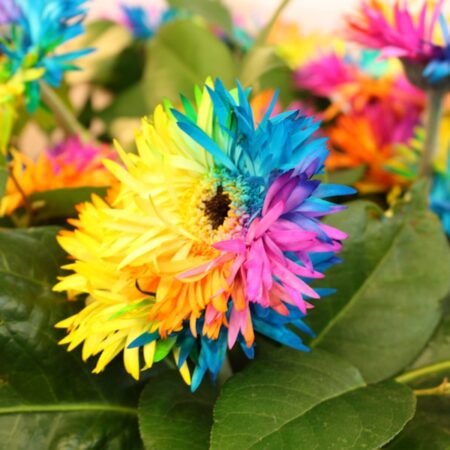
Seasonal changes can also influence the coloration of flowers. As plants transition through different seasons, changes in temperature, light intensity, and humidity can affect the production of pigments that give flowers their characteristic colors. For example, some flowers may exhibit more vibrant colors in response to increased sunlight or cooler temperatures, while others may fade or change color as the seasons progress. Additionally, seasonal changes can also impact the availability of pollinators, which can in turn influence flower coloration.
The coloration of flowers plays a crucial role in attracting pollinators and ensuring successful reproduction. Many flowers have evolved specific color patterns to attract certain pollinators, such as bees, butterflies, or birds. By adapting their coloration to seasonal changes, flowers can maximize their chances of attracting pollinators when they are most active. Understanding how seasonal changes influence flower coloration is essential for studying plant-pollinator interactions and for designing landscapes that support diverse pollinator populations.
How Seasonal Changes Influence Flower Size and Shape
In addition to influencing flower color, seasonal changes can also impact the size and shape of flowers. As environmental conditions fluctuate throughout the year, plants may adjust their flower morphology to optimize reproductive success. For example, some plants may produce larger or more robust flowers in response to favorable growing conditions, while others may produce smaller or more inconspicuous flowers during periods of stress or resource limitation. Additionally, changes in temperature and humidity can also affect the overall shape and structure of flowers.
The size and shape of flowers are important traits that can influence their attractiveness to pollinators and their ability to successfully reproduce. For example, larger flowers may be more visible and attractive to certain pollinators, while smaller flowers may be better suited for wind pollination or self-pollination. Understanding how seasonal changes influence flower size and shape is essential for studying plant-pollinator interactions and for predicting how plant populations may respond to environmental fluctuations.
The Importance of Seasonal Changes in Pollination and Seed Production
Seasonal changes play a crucial role in pollination and seed production in plants. As environmental conditions shift throughout the year, so too do the activities of pollinators such as bees, butterflies, birds, and bats. These changes can have a significant impact on the reproductive success of plants, as they rely on pollinators to transfer pollen between flowers and facilitate fertilization. Understanding how seasonal changes influence pollinator behavior is essential for predicting when plants will be most likely to be pollinated and produce seeds.
In addition to influencing pollinator behavior, seasonal changes can also impact the availability of resources such as nectar and pollen, which are essential for supporting pollinator populations. For example, some plants may produce more nectar during certain times of the year to attract pollinators when they are most active. Similarly, changes in temperature and precipitation can affect the availability of resources for pollinators, which can in turn influence their ability to support plant reproduction. By understanding how seasonal changes influence pollination and seed production, we can develop strategies to support pollinator populations and conserve plant diversity.
Adapting to Seasonal Changes: How Flowers Survive Winter
Flowers have evolved a variety of strategies to survive winter and ensure their reproductive success when spring arrives. In temperate regions, where winters can be harsh and resources limited, many plants have developed adaptations to protect their flowers from freezing temperatures and other environmental stresses. For example, some plants may produce specialized structures such as bracts or sepals that enclose their flowers and provide insulation against cold temperatures. Others may produce antifreeze compounds that protect their tissues from frost damage.
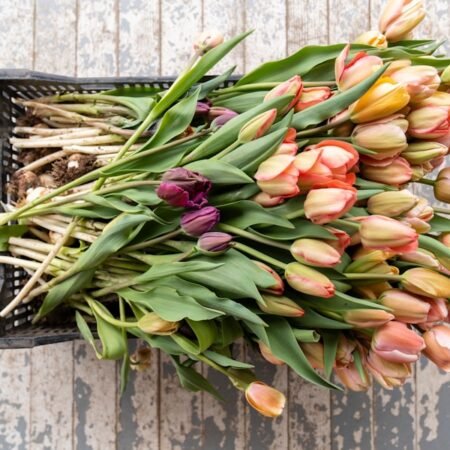
In addition to physical adaptations, some plants have also evolved specific timing mechanisms to ensure that their flowers bloom at the right time in spring. For example, many spring-flowering bulbs such as tulips and daffodils require a period of cold temperatures to break dormancy and initiate flowering. By timing their flowering with the arrival of spring, these plants can maximize their chances of successful reproduction. Understanding how flowers survive winter is essential for conserving plant diversity and for managing landscapes and gardens in cold climates.
In conclusion, seasonal changes have a profound impact on flower development, influencing factors such as temperature, light availability, coloration, size and shape, pollination and seed production, as well as survival strategies during winter months. Understanding these influences is crucial for horticulturists, botanists, gardeners alike as it allows them to predict when plants will bloom and plan accordingly for optimal growth and productivity in agricultural settings or visually appealing landscapes in ornamental horticulture. By harnessing our knowledge of how seasonal changes influence flower development we can optimize plant growth and productivity while conserving plant diversity through understanding how flowers survive winter months.