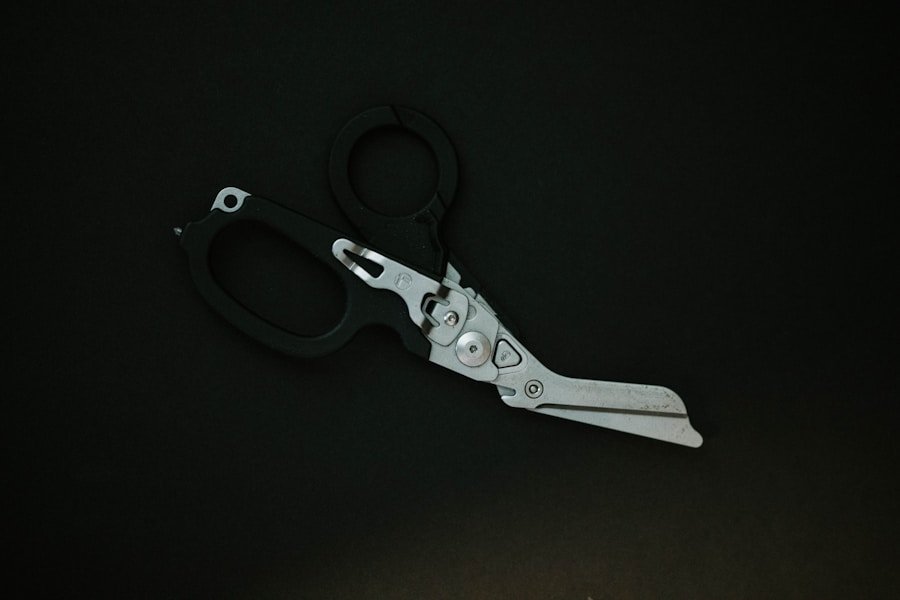

Pruning is an essential part of maintaining the health and beauty of your flowers. It involves the removal of dead or overgrown branches, stems, and flowers to encourage new growth and improve the overall appearance of the plant. Seasonal pruning is particularly important as it helps to promote healthy growth, control the size and shape of the plant, and encourage the production of more flowers. By removing dead or diseased parts of the plant, you can also prevent the spread of diseases and pests, ultimately prolonging the life of your flowers. Additionally, seasonal pruning allows for better air circulation and sunlight penetration, which are crucial for the overall health of the plant. Overall, understanding the importance of seasonal pruning is key to maintaining healthy and beautiful flowers in your garden.
Pruning at the right time is crucial for the health and growth of your flowers. Different types of flowers require different pruning schedules, and understanding the specific needs of each plant is essential for successful pruning. By pruning at the appropriate times, you can promote healthy growth, encourage the production of more flowers, and maintain the overall shape and appearance of the plant. It is important to research and understand the specific needs of each type of flower in your garden to ensure that you are pruning at the right time. By doing so, you can maximize the benefits of pruning and enjoy a garden full of healthy and beautiful flowers throughout the year.
Identifying the Best Times for Pruning Different Types of Flowers
When it comes to pruning different types of flowers, timing is everything. Understanding the specific needs of each type of flower is crucial for successful pruning. For example, spring-flowering shrubs such as lilacs and forsythia should be pruned immediately after they have finished blooming. This allows them to develop new growth and set flower buds for the following year. On the other hand, summer-flowering shrubs such as hydrangeas and roses should be pruned in late winter or early spring before new growth begins. This allows for the removal of dead or damaged wood and encourages new growth and flowering. Perennial flowers, on the other hand, should be pruned in late fall or early spring to remove dead foliage and encourage new growth. By understanding the best times for pruning different types of flowers, you can ensure that your plants remain healthy and beautiful throughout the year.
In addition to understanding the best times for pruning different types of flowers, it is also important to consider the specific needs of each plant. Some flowers may require more frequent pruning to maintain their shape and appearance, while others may only need minimal pruning to remove dead or overgrown branches. It is important to research and understand the specific needs of each type of flower in your garden to ensure that you are pruning at the right time. By doing so, you can promote healthy growth, encourage the production of more flowers, and maintain the overall shape and appearance of your plants. Ultimately, identifying the best times for pruning different types of flowers is essential for maintaining a healthy and beautiful garden.
Tools and Equipment Needed for Seasonal Pruning
Having the right tools and equipment is essential for successful seasonal pruning. The type of tools you will need will depend on the size and type of plants you are pruning. For smaller plants and flowers, a pair of hand pruners will suffice for most pruning tasks. Look for a pair with sharp blades and a comfortable grip to make the job easier. For larger shrubs and trees, a pair of loppers with long handles will be necessary to reach higher branches and thicker stems. Additionally, a pruning saw may be needed for larger branches that cannot be cut with loppers. It is important to keep all tools clean and sharp to ensure clean cuts that promote healthy growth.
In addition to pruners and saws, having protective gear such as gloves and safety glasses is important when pruning. Gloves will protect your hands from thorns and sharp branches, while safety glasses will protect your eyes from debris when cutting or sawing branches. It is also important to have a sturdy ladder on hand for reaching higher branches safely. By having the right tools and equipment for seasonal pruning, you can ensure that the job is done safely and effectively, promoting healthy growth and beautiful flowers in your garden.
Step-by-Step Guide to Pruning Flowering Shrubs
Pruning flowering shrubs is an important part of maintaining their health and appearance. Here is a step-by-step guide to help you prune your flowering shrubs effectively:
1. Start by removing any dead or diseased branches from the shrub using a pair of hand pruners or loppers. Cut back to healthy wood to promote new growth.
2. Next, remove any crossing or rubbing branches that may be causing damage to the shrub. This will help improve air circulation and sunlight penetration, promoting overall health.
3. Once you have removed any dead or damaged wood, you can begin shaping the shrub by cutting back any overgrown or wayward branches to maintain its desired size and shape.
4. Finally, remove any spent flowers or seed heads to encourage new growth and flowering.
By following these steps, you can effectively prune your flowering shrubs to promote healthy growth and beautiful blooms.
Step-by-Step Guide to Pruning Perennial Flowers
Pruning perennial flowers is essential for maintaining their health and promoting new growth. Here is a step-by-step guide to help you prune your perennial flowers effectively:
1. Start by cutting back any dead foliage from the previous growing season using a pair of hand pruners or scissors.
2. Next, remove any spent flower stems to encourage new growth and flowering.
3. If your perennial flowers have become overgrown or are spreading too much, you can divide them by digging up the clump and separating it into smaller sections before replanting.
4. Finally, apply a layer of mulch around the base of your perennial flowers to help retain moisture and suppress weeds.
By following these steps, you can effectively prune your perennial flowers to promote healthy growth and beautiful blooms.
Common Mistakes to Avoid When Pruning Flowers
While pruning is essential for maintaining healthy and beautiful flowers, there are some common mistakes that should be avoided:
1. Over-pruning: Removing too much foliage or wood can stress the plant and inhibit its ability to produce new growth and flowers.
2. Pruning at the wrong time: Pruning at the wrong time can result in reduced flowering or damage to the plant.
3. Using dull or dirty tools: Clean, sharp tools are essential for making clean cuts that promote healthy growth.
4. Neglecting safety gear: Protective gear such as gloves and safety glasses should always be worn when pruning to prevent injury.
By avoiding these common mistakes, you can ensure that your flowers remain healthy and beautiful after pruning.
Tips for Maintaining Healthy and Beautiful Flowers After Pruning
After pruning your flowers, there are some tips you can follow to maintain their health and beauty:
1. Watering: Ensure that your flowers receive adequate water after pruning to promote new growth.
2. Fertilizing: Apply a balanced fertilizer to your flowers after pruning to provide them with essential nutrients for healthy growth.
3. Mulching: Apply a layer of mulch around the base of your flowers to help retain moisture and suppress weeds.
4. Monitoring: Keep an eye on your flowers after pruning to ensure that they are responding well to the process.
By following these tips, you can maintain healthy and beautiful flowers in your garden after pruning, ensuring that they continue to thrive throughout the growing season.