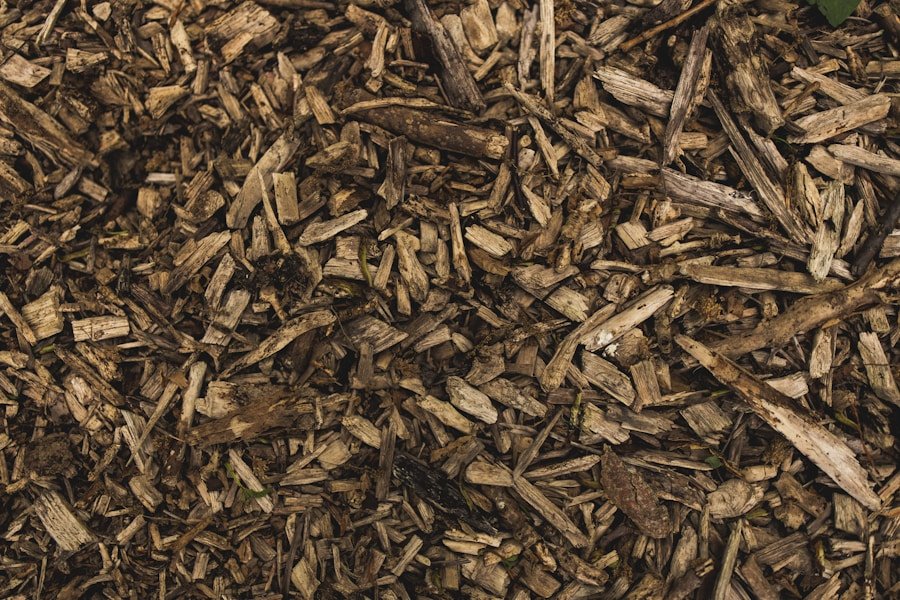

Mulching is a gardening practice that involves covering the soil around plants with a layer of organic or inorganic material. This can include things like wood chips, straw, leaves, or even plastic sheeting. Mulching serves several purposes, including conserving moisture, suppressing weeds, regulating soil temperature, and improving soil fertility. While mulching is beneficial year-round, different seasons call for different types of mulch and different techniques. In this article, we will explore the benefits of mulching in each season and provide tips for mulching year-round to maintain healthy flowers and plants.
The Benefits of Mulching in Spring
Spring is a time of growth and renewal in the garden, and mulching can play a crucial role in supporting the health and vitality of your plants during this season. One of the key benefits of mulching in spring is moisture retention. As the weather warms up, plants require more water to support their rapid growth. Mulch helps to retain moisture in the soil, reducing the need for frequent watering and helping plants to thrive. Additionally, mulch can help to suppress weeds, which can quickly take over a garden in the spring. By creating a barrier between the soil and the sunlight, mulch can prevent weed seeds from germinating and competing with your plants for water and nutrients. Finally, mulch can also help to regulate soil temperature, keeping the soil cooler on hot days and warmer on cool nights, which can be especially beneficial for early spring plantings.
In addition to these practical benefits, mulch can also contribute to the aesthetic appeal of your garden in the spring. A layer of mulch can provide a clean, finished look to your garden beds, creating a polished and well-maintained appearance. Overall, mulching in the spring can help to set the stage for a successful growing season by conserving moisture, suppressing weeds, regulating soil temperature, and enhancing the overall beauty of your garden.
The Benefits of Mulching in Summer
As the temperatures rise and the sun beats down on your garden, mulching becomes even more important to support the health and vitality of your plants during the summer months. One of the primary benefits of mulching in summer is moisture conservation. With increased evaporation rates and higher water demands from plants, maintaining adequate soil moisture can be a challenge. Mulch helps to reduce water loss from the soil through evaporation, allowing you to water less frequently while still providing your plants with the moisture they need to thrive.
In addition to moisture conservation, mulch also helps to regulate soil temperature during the hot summer months. By providing a layer of insulation between the soil and the sun’s rays, mulch can help to keep the soil cooler, which is especially important for shallow-rooted plants that are more susceptible to heat stress. Furthermore, mulch can help to suppress weeds, which can quickly take over a garden in the summer. By blocking sunlight from reaching the soil surface, mulch can prevent weed seeds from germinating and competing with your plants for water and nutrients. Overall, mulching in the summer can help to conserve moisture, regulate soil temperature, and suppress weeds, all of which are essential for maintaining healthy and thriving plants during the hottest months of the year.
The Benefits of Mulching in Fall
As summer transitions into fall and temperatures begin to cool, mulching continues to play a crucial role in supporting the health and vitality of your garden. One of the key benefits of mulching in fall is insulation. As temperatures drop, mulch helps to insulate the soil, protecting plant roots from extreme temperature fluctuations and frost heaving. This is especially important for perennial plants that may be susceptible to winter damage if not properly insulated.
In addition to insulation, mulch also helps to conserve moisture in the soil during the fall months. While plants may require less water as they begin to enter dormancy, maintaining adequate soil moisture is still important for their overall health and survival through the winter. Mulch helps to reduce water loss from the soil through evaporation, allowing you to water less frequently while still providing your plants with the moisture they need.
Furthermore, mulch can also help to suppress weeds in the fall. As temperatures cool and rainfall increases, weed seeds can quickly germinate and take over garden beds if left unchecked. By creating a barrier between the soil and sunlight, mulch can prevent weed seeds from germinating and competing with your plants for water and nutrients. Overall, mulching in the fall can help to insulate the soil, conserve moisture, and suppress weeds, all of which are essential for preparing your garden for the winter months.
The Benefits of Mulching in Winter
While it may seem counterintuitive, mulching in winter can still provide several benefits for your garden. One of the primary benefits of mulching in winter is insulation. As temperatures drop and frost sets in, mulch helps to insulate the soil, protecting plant roots from extreme temperature fluctuations and frost heaving. This is especially important for perennial plants that may be susceptible to winter damage if not properly insulated.
In addition to insulation, mulch also helps to conserve moisture in the soil during the winter months. While plants may be dormant and require less water, maintaining adequate soil moisture is still important for their overall health and survival through the winter. Mulch helps to reduce water loss from the soil through evaporation, allowing you to water less frequently while still providing your plants with the moisture they need.
Furthermore, mulch can also help to suppress weeds in the winter. While weed growth may slow down during the colder months, weed seeds can still germinate and take hold if left unchecked. By creating a barrier between the soil and sunlight, mulch can prevent weed seeds from germinating and competing with your plants for water and nutrients. Overall, mulching in winter can help to insulate the soil, conserve moisture, and suppress weeds, all of which are essential for maintaining healthy plants through the cold winter months.
Tips for Mulching Year-Round
To make the most of seasonal mulching and maintain healthy flowers year-round, there are several tips to keep in mind. First and foremost, it’s important to choose the right type of mulch for each season. In spring and summer, organic mulches like wood chips or straw are ideal for conserving moisture and regulating soil temperature. In fall and winter, consider using heavier materials like leaves or straw that provide better insulation against cold temperatures.
Another important tip is to apply mulch at the right time. In spring, wait until after the soil has warmed up before applying mulch to allow it to warm up naturally. In summer, apply mulch early in the season before temperatures rise too high. In fall, apply mulch after the first frost but before the ground freezes. In winter, apply a thick layer of mulch before temperatures drop too low.
It’s also important to maintain your mulch throughout the year by replenishing it as needed. Organic mulches will break down over time and need to be replaced periodically to continue providing their benefits. Additionally, be sure to keep an eye on your mulched areas for signs of pests or diseases that may be hiding beneath the surface.
Maintaining Healthy Flowers with Seasonal Mulching
In conclusion, seasonal mulching is an essential practice for maintaining healthy flowers and plants year-round. From conserving moisture and regulating soil temperature to suppressing weeds and enhancing aesthetic appeal, mulching offers a wide range of benefits for gardens in every season. By choosing the right type of mulch for each season, applying it at the right time, and maintaining it throughout the year, you can ensure that your garden remains healthy and vibrant no matter what Mother Nature throws its way. So whether it’s spring, summer, fall or winter, don’t overlook the importance of seasonal mulching in keeping your garden thriving all year long.