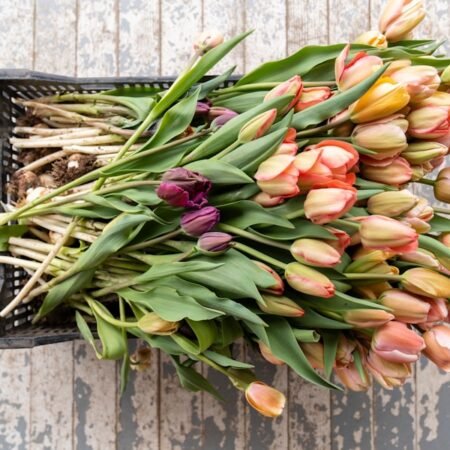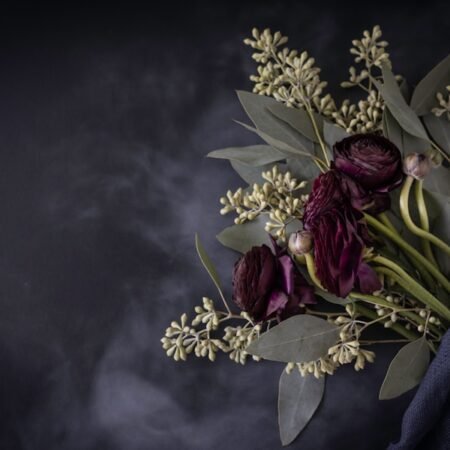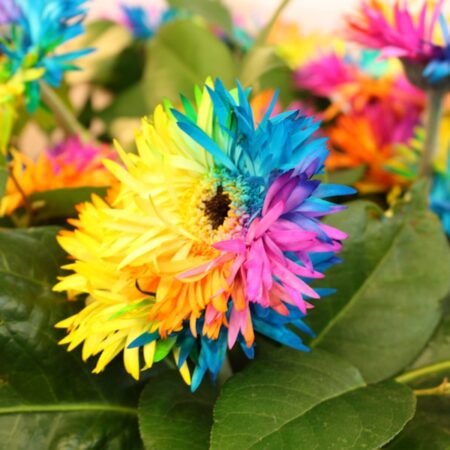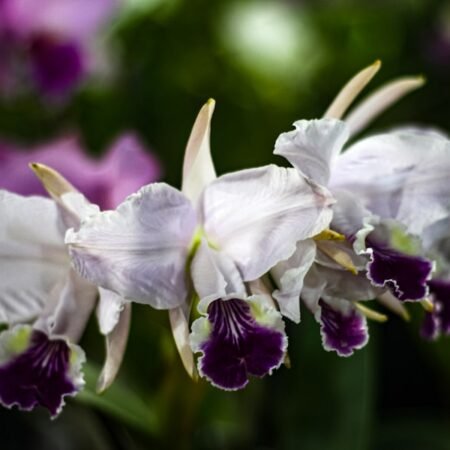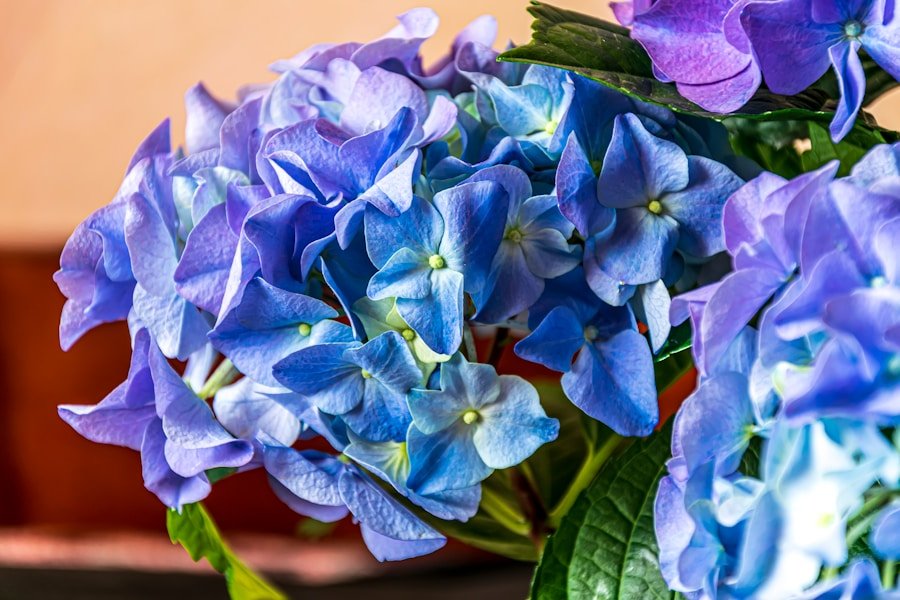

When it comes to choosing flowers for cutting, it’s important to select varieties that will hold up well in a vase and have a long vase life. Some popular choices for cutting flowers include roses, lilies, sunflowers, daisies, and tulips. These flowers are known for their ability to last a long time after being cut and placed in a vase. It’s also important to consider the color and size of the flowers when choosing varieties for cutting. Bright, vibrant colors tend to make a bigger impact in a vase, while larger blooms can create a more dramatic display. Additionally, consider the fragrance of the flowers, as some varieties have a stronger scent than others. Ultimately, the best flowers for cutting are those that you personally enjoy and that will complement your home decor.
In addition to considering the type of flower, it’s also important to think about the condition of the flowers when choosing varieties for cutting. Look for flowers that are just beginning to open, rather than those that are fully bloomed. This will ensure that you get the most out of your cut flowers, as they will continue to open and develop once placed in a vase. It’s also important to choose flowers that are free from blemishes or damage, as these imperfections can shorten the vase life of the flowers. By carefully selecting the right flowers for cutting, you can ensure that you have a beautiful and long-lasting display in your home.
Proper Cutting Techniques
Once you’ve chosen the right flowers for cutting, it’s important to use proper cutting techniques to ensure that they will last as long as possible in a vase. When cutting flowers from your garden or purchasing them from a florist, it’s important to use sharp, clean scissors or shears to make a clean cut. Avoid using dull or rusty tools, as they can crush the stems and prevent the flowers from taking up water properly. When cutting flowers from your garden, it’s best to do so in the early morning or late afternoon when the plants are well-hydrated. This will help ensure that the flowers are at their freshest and will have the best chance of lasting in a vase.
When cutting flowers, it’s important to cut at an angle rather than straight across. This allows for a larger surface area for water uptake and prevents the stems from sitting flat on the bottom of the vase, which can impede water absorption. Additionally, it’s important to remove any leaves that will be submerged in water once the flowers are placed in a vase. This will help prevent bacterial growth and keep the water clean and fresh. By using proper cutting techniques, you can help ensure that your cut flowers will have the best chance of lasting for as long as possible.
Preparing the Vase and Water
Before placing your cut flowers in a vase, it’s important to properly prepare the vessel and water to help extend the vase life of the blooms. Start by thoroughly cleaning the vase with hot, soapy water to remove any bacteria or residue that could contaminate the water and cause the flowers to deteriorate more quickly. Once the vase is clean, fill it with lukewarm water to about two-thirds full. Lukewarm water is best for cut flowers, as it is easier for them to take up than cold water and helps prevent air bubbles from forming in the stems.
In addition to using lukewarm water, it’s also important to add a few drops of bleach or vodka to the vase water to help prevent bacterial growth. The bleach or vodka will help keep the water clean and clear, which can extend the vase life of the flowers. Another option is to add a few drops of hydrogen peroxide to the water, which can also help prevent bacterial growth and keep the water fresh. By properly preparing the vase and water before adding your cut flowers, you can help ensure that they will have the best chance of lasting for as long as possible.
Adding Floral Preservatives
In addition to preparing the vase and water, adding floral preservatives can help extend the vase life of cut flowers. Floral preservatives are available at most florist shops and garden centers and are designed to provide essential nutrients and inhibit bacterial growth in vase water. When using floral preservatives, be sure to follow the instructions on the package carefully to ensure that you are using the correct amount for the volume of water in your vase.
If you don’t have access to floral preservatives, you can make your own homemade version using common household ingredients. One popular recipe for homemade floral preservative includes mixing one quart of lukewarm water with one teaspoon of sugar, one teaspoon of bleach or vodka, and two teaspoons of lemon or lime juice. The sugar provides nutrients for the flowers, while the bleach or vodka helps prevent bacterial growth, and the citrus juice helps lower the pH of the water, which can improve water uptake by the stems. By adding floral preservatives to your vase water, you can help ensure that your cut flowers will have access to essential nutrients and a clean environment, which can extend their vase life.
Keeping the Flowers Fresh
Once your cut flowers are placed in a vase with prepared water and floral preservatives, it’s important to take steps to keep them fresh for as long as possible. One way to do this is by placing the vase in a cool location out of direct sunlight and away from drafts. Exposure to heat and drafts can cause cut flowers to wilt more quickly, so it’s best to keep them in a cool, stable environment.
Another way to keep cut flowers fresh is by misting them with water once or twice a day. This can help hydrate the petals and prevent them from drying out too quickly. Additionally, you can place ice cubes on top of the floral foam or pebbles in the bottom of the vase to provide a slow release of water to keep the stems hydrated without overwatering them. By taking these steps to keep your cut flowers fresh, you can help ensure that they will last as long as possible in a vase.
Changing the Water and Trimming the Stems
To further extend the vase life of cut flowers, it’s important to change the vase water every two to three days. This helps prevent bacterial growth and keeps the water clean and fresh for the flowers. When changing the water, be sure to re-cut the stems at an angle with sharp scissors or shears before placing them back in the vase. This will remove any blockages that may have formed at the base of the stems and allow for better water uptake.
In addition to changing the water and trimming the stems, it’s also important to remove any spent blooms or foliage from the arrangement as they begin to fade. This will help prevent ethylene gas from building up in the vase, which can cause other flowers to deteriorate more quickly. By taking these steps to maintain your cut flower arrangement, you can help ensure that it remains fresh and beautiful for as long as possible.
Displaying the Flowers in the Right Location
Finally, when displaying cut flowers in your home, it’s important to choose the right location to help extend their vase life. Avoid placing them near ripening fruit or vegetables, as these produce ethylene gas which can cause cut flowers to deteriorate more quickly. Additionally, keep them away from heating vents or appliances that generate heat, as this can cause them to wilt more quickly.
Instead, choose a cool, well-ventilated area away from direct sunlight and drafts where your cut flower arrangement can be enjoyed without being exposed to conditions that could cause them to deteriorate more quickly. By displaying your cut flowers in the right location, you can help ensure that they remain fresh and beautiful for as long as possible.
In conclusion, by carefully choosing the right flowers for cutting, using proper cutting techniques, preparing the vase and water, adding floral preservatives, keeping the flowers fresh, changing the water and trimming the stems, and displaying them in the right location, you can help ensure that your cut flower arrangements last as long as possible and bring beauty and joy into your home. With a little care and attention, you can enjoy your favorite blooms for days on end.