
Understanding your climate and soil is crucial when planning a year-round flower garden. Different flowers thrive in different climates, so it’s important to know what will grow best in your area. Take note of the average temperature, rainfall, and sunlight in your region. This will help you determine which flowers will flourish and which ones may struggle. Additionally, understanding your soil type is essential for successful gardening. Some flowers prefer well-drained soil, while others thrive in moist, rich soil. Conduct a soil test to determine the pH level and nutrient content of your soil. This will help you choose the right flowers and make any necessary amendments to improve the soil quality.
When it comes to climate and soil, it’s important to do your research and consult with local gardening experts. They can provide valuable insight into which flowers are best suited for your specific conditions. By understanding your climate and soil, you can make informed decisions when selecting flowers for your year-round garden.
Choosing the Right Flowers for Each Season
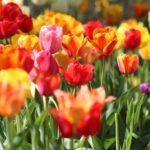
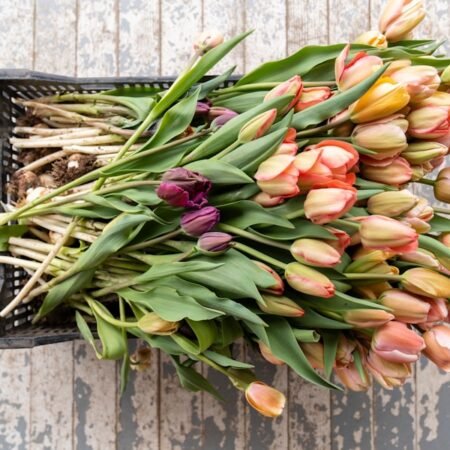
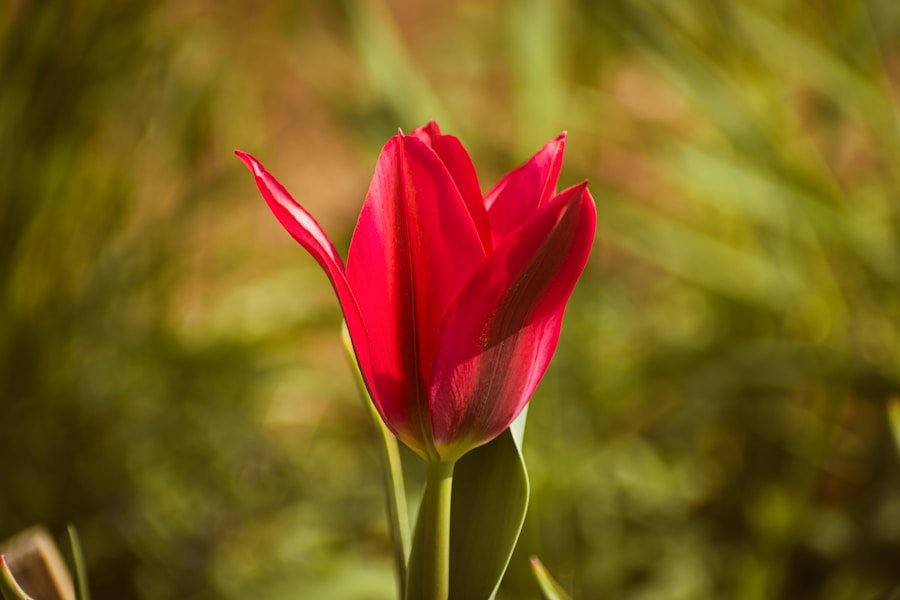
Choosing the right flowers for each season is essential for maintaining a year-round garden. Different flowers bloom at different times of the year, so it’s important to select a variety of plants that will provide continuous color and interest throughout the seasons. For spring, consider planting tulips, daffodils, and hyacinths for vibrant blooms. In the summer, opt for sunflowers, zinnias, and dahlias for a burst of color. For fall, choose asters, mums, and ornamental grasses for a beautiful autumn display. And for winter, consider planting hellebores, winter jasmine, and snowdrops for a touch of color during the colder months.
When choosing flowers for each season, consider factors such as bloom time, height, and color. By selecting a diverse range of plants, you can ensure that your garden will look beautiful year-round. Additionally, consider incorporating evergreen shrubs and trees to provide structure and interest during the winter months.
Creating a Year-Round Planting Schedule
Creating a year-round planting schedule is essential for maintaining a continuous bloom in your flower garden. Start by researching the optimal planting times for each type of flower in your region. Some flowers are best planted in the spring, while others thrive when planted in the fall. By creating a planting schedule, you can ensure that your garden will have a steady supply of blooms throughout the year.
When creating a planting schedule, consider factors such as bloom time, growth habit, and maintenance requirements. Grouping plants with similar needs together can make it easier to care for them and ensure they thrive. Additionally, consider succession planting to extend the bloom time of your garden. This involves planting new flowers as others fade, ensuring that there is always something in bloom.
By creating a year-round planting schedule, you can maximize the beauty of your garden and enjoy a continuous display of flowers throughout the seasons.
Incorporating Perennials and Annuals
Incorporating both perennials and annuals into your year-round flower garden can provide a diverse range of colors and textures. Perennials are plants that live for more than two years and return each season, while annuals complete their life cycle in one growing season. By combining these two types of plants, you can create a garden that offers both long-lasting blooms and seasonal variety.
Perennials are a great choice for providing structure and stability in the garden. They come back year after year, providing a reliable source of color and interest. Some popular perennial flowers include peonies, daylilies, and coneflowers. Annuals, on the other hand, offer a burst of color and can be easily changed out each season to keep the garden looking fresh. Some popular annual flowers include petunias, marigolds, and impatiens.
By incorporating both perennials and annuals into your garden, you can create a dynamic and ever-changing landscape that provides beauty year-round.
Designing a Garden Layout for Continuous Bloom
Designing a garden layout for continuous bloom involves careful planning and consideration of factors such as bloom time, height, and color. Start by creating a focal point in your garden, such as a large tree or sculpture, to anchor the space. Then, consider the placement of your flowers to ensure that there is always something in bloom throughout the seasons.
When designing your garden layout, consider creating different “rooms” or areas within the space to showcase different types of flowers. For example, you could have a sunny perennial border, a shady woodland area, or a cutting garden for seasonal blooms. By dividing the space into different sections, you can create visual interest and ensure that there is always something new to discover.
Additionally, consider incorporating pathways or meandering walkways to encourage exploration of the garden. This can create a sense of discovery and make the space feel larger and more inviting. By designing a garden layout for continuous bloom, you can create a beautiful and dynamic landscape that provides interest year-round.
Maintaining and Caring for Your Year-Round Flower Garden
Maintaining and caring for your year-round flower garden is essential for keeping it healthy and beautiful. Regular maintenance tasks such as watering, weeding, and deadheading are crucial for ensuring that your plants thrive. Watering requirements vary depending on the type of flower and soil conditions, so it’s important to monitor moisture levels and adjust as needed.
Weeding is another important task to keep your garden looking its best. Regularly removing weeds helps prevent competition for nutrients and reduces the risk of pests and diseases. Deadheading – removing spent blooms – encourages new growth and prolongs the blooming period of your flowers.
In addition to these tasks, it’s important to monitor for pests and diseases and take appropriate action if necessary. Regularly inspecting your plants for signs of trouble can help prevent issues from becoming more serious.
By maintaining and caring for your year-round flower garden, you can ensure that it remains healthy and vibrant throughout the seasons.
Enjoying the Fruits of Your Labor: Tips for Cutting and Arranging Flowers
Once your year-round flower garden is in full bloom, it’s time to enjoy the fruits of your labor by cutting and arranging flowers for indoor enjoyment. When cutting flowers from your garden, it’s important to do so at the right time to ensure longevity in a vase. Cut flowers early in the morning or late in the evening when they are well-hydrated to help them last longer.
When arranging flowers, consider factors such as color, texture, and height to create visually appealing bouquets. Start by selecting a focal flower or two as the centerpiece of your arrangement, then add complementary blooms and foliage to fill out the design. Consider using a mix of shapes and sizes to create interest and balance in your arrangements.
To help prolong the life of your cut flowers, change the water in their vase every few days and trim their stems at an angle to encourage water uptake. Additionally, keep them away from direct sunlight and drafts to prevent wilting.
By cutting and arranging flowers from your year-round garden, you can bring the beauty of nature indoors and enjoy it throughout the seasons.