
Flower fragrances have been captivating humans for centuries, with their delicate and alluring scents. The natural perfumes emitted by flowers have the power to evoke emotions, memories, and even influence moods. From the sweet and intoxicating scent of roses to the fresh and uplifting aroma of lilies, flower fragrances are diverse and enchanting. The study of flower fragrances, known as osmology, has gained popularity in recent years as scientists and perfumers seek to understand the complex chemistry behind these alluring scents. In this article, we will explore the factors that affect flower fragrance intensity throughout the seasons, from the peak of fragrance in spring to the diminished scents of winter.
Factors Affecting Flower Fragrance Intensity
Several factors can influence the intensity of flower fragrances, including temperature, humidity, time of day, and the age of the flower. Temperature plays a significant role in the release of flower fragrances, as warmer temperatures can cause flowers to release more volatile compounds that contribute to their scent. Humidity also affects fragrance intensity, with higher humidity levels often enhancing the dispersal of flower fragrances. The time of day can also impact fragrance intensity, as many flowers release their strongest scents in the early morning or evening hours. Additionally, the age of the flower can affect its fragrance, with younger flowers often emitting stronger scents than older ones. Understanding these factors is crucial for appreciating the fluctuating intensity of flower fragrances throughout the year.
Spring: The Peak of Flower Fragrance Intensity
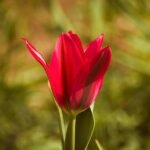
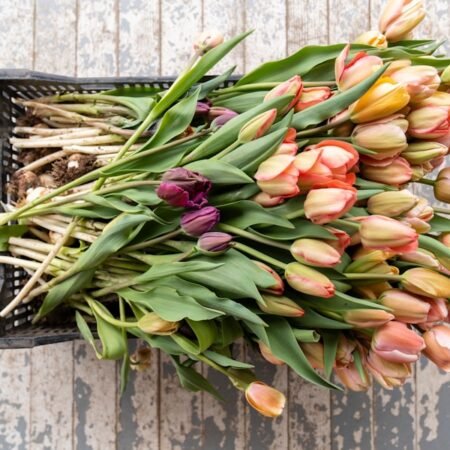
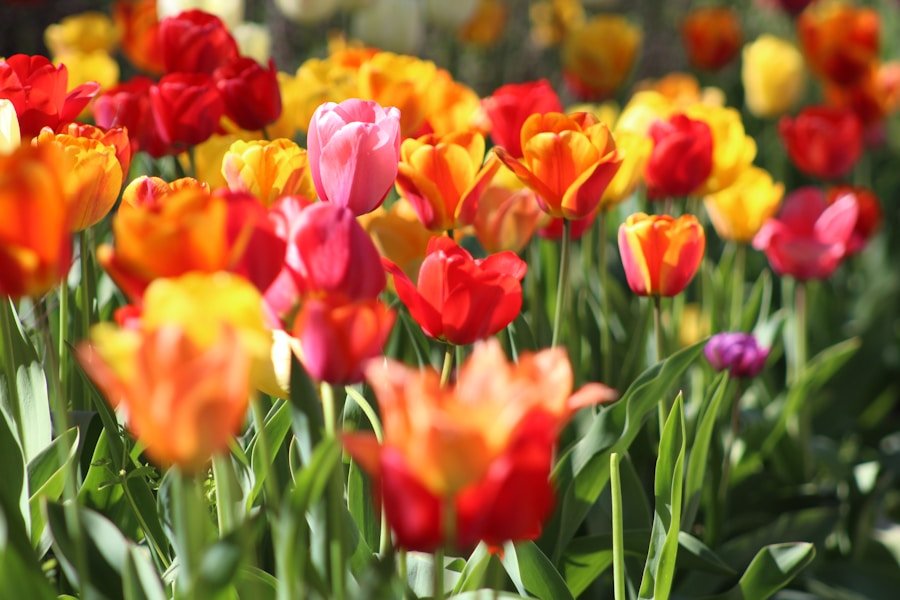
Spring is often considered the peak season for flower fragrance intensity, as this is when many flowers bloom and release their most potent scents. The combination of warmer temperatures and increased humidity during springtime creates the perfect conditions for flowers to emit their fragrances. The air is filled with the sweet and heady scents of blooming roses, jasmine, lilacs, and other spring flowers, creating a sensory delight for all who experience it. The abundance of flower fragrances in spring is a testament to the beauty and power of nature, as it awakens from the slumber of winter and bursts forth in a riot of colors and scents. Spring is a time to revel in the intoxicating aromas of nature and appreciate the fleeting but intense fragrance of flowers.
Summer: Maintaining Flower Fragrance in the Heat
As summer arrives and temperatures soar, maintaining flower fragrance intensity becomes a challenge for both flowers and humans alike. The heat of summer can cause flowers to wilt and lose their potency, leading to a decrease in fragrance intensity. However, some flowers thrive in the heat and continue to emit their alluring scents despite the challenging conditions. Flowers such as lavender, gardenias, and jasmine are known for their ability to withstand the heat and maintain their fragrance intensity throughout the summer months. For humans, finding ways to preserve and enjoy flower fragrances in the heat can be achieved through techniques such as early morning or evening garden strolls when temperatures are cooler, or bringing cut flowers indoors to enjoy their scents in air-conditioned spaces. Despite the challenges of summer, there are still opportunities to appreciate and savor the fragrances of flowers during this season.
Fall: Changes in Flower Fragrance as Temperatures Drop
As temperatures begin to drop in fall, there are noticeable changes in flower fragrance intensity. Many flowers that bloomed in spring and summer begin to fade, leading to a decrease in fragrance intensity. However, some flowers thrive in the cooler temperatures of fall and emit their own unique scents that are different from those of spring and summer blooms. Flowers such as chrysanthemums, asters, and dahlias are known for their autumnal fragrances that evoke feelings of warmth and nostalgia. The crisp air of fall carries these fragrances far and wide, creating a sense of comfort and tranquility for those who experience them. Fall is a time to appreciate the changing scents of nature as flowers transition from their vibrant summer blooms to their more subdued but equally captivating autumnal fragrances.
Winter: Understanding the Diminished Flower Fragrance
In winter, flower fragrance intensity is significantly diminished as many flowers enter a period of dormancy or hibernation. The cold temperatures and reduced sunlight cause flowers to conserve their energy and resources, leading to a decrease in fragrance production. While some winter-blooming flowers such as jasmine and winter honeysuckle continue to emit their scents, they do so with less intensity than during other seasons. For humans, finding opportunities to experience flower fragrances in winter can be challenging, but not impossible. Indoor gardens, botanical conservatories, and floral perfumes offer ways to appreciate flower fragrances during the winter months when outdoor blooms are scarce. Winter is a time to understand and accept the diminished fragrance intensity of flowers while looking forward to the promise of spring when nature awakens once again.
Appreciating the Fluctuating Intensity of Flower Fragrances
The fluctuating intensity of flower fragrances throughout the seasons is a testament to the resilience and beauty of nature. From the peak of fragrance in spring to the diminished scents of winter, each season offers its own unique experiences with flower fragrances. Understanding the factors that affect fragrance intensity and appreciating the changing scents of nature can enrich our lives and connect us more deeply with the natural world. As we continue to study and explore the complex chemistry behind flower fragrances, we gain a greater appreciation for their allure and significance in our lives. Whether it’s the sweet scent of spring blooms or the subtle fragrance of winter flowers, each season brings its own delights and opportunities to savor the captivating aromas of nature.