
Creating a tailored potting mix is essential for the health and growth of your plants. Different plants have different needs when it comes to soil composition, drainage, and nutrient levels. Using a generic potting mix may not provide the specific requirements that your plants need to thrive. Tailoring your potting mix to the specific needs of your plants can help ensure that they receive the proper balance of nutrients, water, and air circulation. This can lead to healthier, more vibrant plants with stronger root systems and better resistance to pests and diseases.
In addition, using a tailored potting mix can also help you save money in the long run. By creating your own potting mix, you can control the quality of the ingredients and avoid paying for expensive pre-mixed products. You can also customize the mix to suit the specific needs of your plants, which can lead to better overall growth and flowering. Overall, understanding the importance of tailored potting mixes can help you become a more successful and knowledgeable gardener.
Basic Components of a DIY Potting Mix
When creating a DIY potting mix, it’s important to understand the basic components that make up a successful blend. The main components of a potting mix include a growing medium, such as peat moss or coconut coir, a material for drainage, such as perlite or vermiculite, and a source of nutrients, such as compost or fertilizer. These components work together to provide the right balance of water retention, aeration, and nutrient availability for your plants.
In addition to these basic components, you may also want to consider adding other ingredients to your potting mix, such as lime to adjust pH levels, or beneficial microbes to promote healthy soil biology. By understanding the basic components of a DIY potting mix, you can begin to experiment with different combinations and ratios to create a blend that is tailored to the specific needs of your plants.
Tailored Potting Mix Recipes for Roses
Roses are known for their beauty and fragrance, but they can be quite demanding when it comes to their growing conditions. When creating a tailored potting mix for roses, it’s important to focus on providing good drainage and aeration, as well as a steady supply of nutrients. A basic recipe for a rose potting mix might include equal parts peat moss or coconut coir, perlite or vermiculite for drainage, and compost or well-rotted manure for nutrients. You may also want to add a small amount of lime to adjust the pH levels of the mix.
For container-grown roses, it’s important to use a potting mix that is well-draining and provides good air circulation around the roots. This can help prevent root rot and other moisture-related issues. By tailoring your potting mix to the specific needs of roses, you can help ensure that they have the best possible growing conditions for healthy growth and abundant flowering.
Tailored Potting Mix Recipes for Orchids
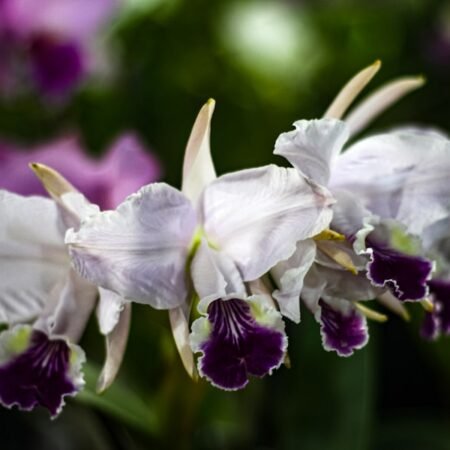
Orchids are known for their exotic beauty and delicate nature, and they have specific requirements when it comes to their growing medium. When creating a tailored potting mix for orchids, it’s important to focus on providing good drainage and aeration, as well as a stable structure for the roots to cling to. A basic recipe for an orchid potting mix might include equal parts bark chips or coconut husk chunks for drainage and aeration, perlite or charcoal for additional drainage, and sphagnum moss for moisture retention.
Orchids are epiphytic plants, meaning they naturally grow on trees in their native habitats. As such, they require a growing medium that mimics the loose, well-draining conditions of their natural environment. By tailoring your potting mix to the specific needs of orchids, you can help ensure that they have the best possible growing conditions for healthy growth and beautiful flowering.
Tailored Potting Mix Recipes for Other Flowers in Your Garden
In addition to roses and orchids, there are many other flowers in your garden that can benefit from a tailored potting mix. Different flowers have different requirements when it comes to soil composition, drainage, and nutrient levels. For example, annual flowers such as petunias and marigolds may benefit from a potting mix that is rich in organic matter and provides good drainage. Perennial flowers such as coneflowers and daylilies may benefit from a potting mix that is well-draining and provides good air circulation around the roots.
When creating tailored potting mixes for other flowers in your garden, it’s important to consider the specific needs of each plant and adjust the mix accordingly. By tailoring your potting mixes to the specific needs of your flowers, you can help ensure that they have the best possible growing conditions for healthy growth and beautiful flowering.
Tips for Adjusting Potting Mix Recipes for Different Flower Varieties
When creating tailored potting mixes for different flower varieties, there are several tips that can help you adjust the mix to suit the specific needs of each plant. First, consider the natural habitat of the plant and try to mimic those conditions in your potting mix. For example, plants that naturally grow in sandy soils may benefit from a potting mix that is lighter and more well-draining.
Second, consider the specific nutrient requirements of each plant and adjust the potting mix accordingly. Some plants may benefit from a higher level of organic matter in the mix, while others may require additional nutrients such as nitrogen or phosphorus.
Finally, consider the specific water requirements of each plant and adjust the potting mix to provide the right balance of moisture retention and drainage. By following these tips, you can create tailored potting mixes that are perfectly suited to the specific needs of each flower variety in your garden.
Common Mistakes to Avoid When Creating DIY Potting Mixes
When creating DIY potting mixes, there are several common mistakes that gardeners should avoid. One common mistake is using low-quality or contaminated ingredients in the mix. It’s important to use high-quality ingredients that are free from pests, diseases, and chemical residues.
Another common mistake is using too much or too little of certain components in the mix. For example, using too much perlite or vermiculite can lead to excessive drainage and poor water retention, while using too little can lead to compacted soil and poor air circulation.
Finally, another common mistake is not adjusting the potting mix to suit the specific needs of each plant. It’s important to tailor the mix to provide the right balance of nutrients, water retention, and air circulation for each plant variety.
By avoiding these common mistakes and following the tips outlined in this article, you can create tailored potting mixes that are perfectly suited to the specific needs of your plants. This can lead to healthier, more vibrant plants with stronger root systems and better resistance to pests and diseases.