
Flowers have been used for centuries to convey emotions and messages without the need for words. This practice, known as the language of flowers, has been a significant part of many cultures and traditions. Each flower carries its own symbolic meaning, and when combined in a bouquet or arrangement, they can convey a specific message or sentiment. Understanding the language of flowers is essential when choosing the right flowers for sympathy and condolence tributes. It allows you to select blooms that accurately express your feelings and offer comfort to the recipient during a difficult time.
The language of flowers has been documented in various historical texts and has evolved over time to include a wide range of floral meanings. For example, the rose is often associated with love and passion, while lilies symbolize purity and renewal. Different colors of flowers also carry their own meanings, with white representing purity and innocence, red symbolizing love and passion, and yellow conveying friendship and joy. By understanding these symbolic meanings, you can create a floral tribute that speaks volumes without saying a word.
Choosing the Right Flowers for Sympathy and Condolence Tributes
When selecting flowers for sympathy and condolence tributes, it’s important to consider the recipient’s preferences and cultural background. Different cultures have varying traditions and beliefs regarding funeral flowers, so it’s essential to be mindful of these when choosing the right blooms. For example, in some cultures, white flowers are the most appropriate choice for funerals, while in others, specific flowers may be considered unlucky or inappropriate for such occasions.
In addition to cultural considerations, it’s also important to think about the personality and preferences of the deceased when choosing flowers for a sympathy tribute. If the person had a favorite flower or color, incorporating these into the arrangement can add a personal touch and honor their memory. It’s also important to consider the overall tone of the tribute – whether you want to convey a sense of peace and serenity with soft pastel blooms or celebrate the life of the deceased with vibrant and colorful flowers. By taking these factors into account, you can choose the right flowers for a sympathy tribute that truly reflects your sentiments and offers comfort to the recipient.
Symbolic Meanings of Popular Funeral Flowers
Different types of flowers carry their own symbolic meanings, making them suitable for different aspects of a funeral or sympathy tribute. Understanding these meanings can help you choose the right flowers to convey your sentiments and offer comfort to those who are grieving. Some popular funeral flowers and their symbolic meanings include:
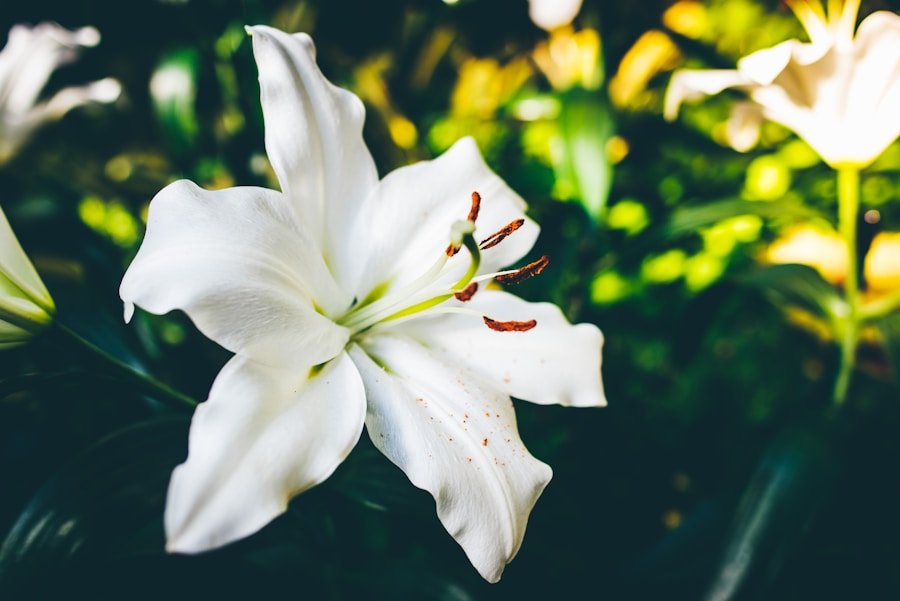
– Lilies: Lilies are often associated with purity, renewal, and the soul’s restoration after death. They are a common choice for funeral tributes and are often used to convey sympathy and offer comfort to the bereaved.
– Roses: Roses are a timeless symbol of love and are often used to convey deep emotions and affection. White roses are particularly suitable for sympathy tributes, as they symbolize purity, innocence, and reverence.
– Chrysanthemums: In many cultures, chrysanthemums are associated with death and are commonly used in funeral arrangements. They symbolize grief, loss, and mourning, making them a fitting choice for sympathy tributes.
These are just a few examples of popular funeral flowers and their symbolic meanings. By understanding the significance of these blooms, you can choose the right flowers to convey your sentiments and offer comfort to those who are grieving.
Creating Meaningful Arrangements and Bouquets
When creating floral arrangements and bouquets for sympathy tributes, it’s important to consider the overall aesthetic and symbolism of the flowers. The arrangement should be visually appealing while also conveying a meaningful message to the recipient. There are several factors to consider when creating meaningful floral tributes, including:
– Color scheme: The color scheme of the arrangement should reflect the tone of the tribute. Soft pastel colors can convey a sense of peace and serenity, while vibrant colors can celebrate the life of the deceased.
– Flower selection: Choose flowers that hold personal significance or carry symbolic meanings that align with your sentiments. Incorporating the deceased’s favorite blooms or colors can add a personal touch to the arrangement.
– Arrangement style: Consider the style of the arrangement – whether you want a traditional wreath or spray, a more modern bouquet, or a custom design that reflects the personality of the deceased.
By carefully considering these factors, you can create meaningful floral arrangements and bouquets that offer comfort and solace to those who are grieving.
Etiquette and Customs for Sending Flower Tributes
When sending flower tributes for sympathy and condolence, it’s important to be mindful of etiquette and customs surrounding funeral flowers. Different cultures and traditions have varying customs regarding funeral flowers, so it’s essential to be respectful of these when sending floral tributes. Some general etiquette guidelines for sending flower tributes include:
– Consider the recipient’s preferences: Before sending flowers, consider the recipient’s cultural background, religious beliefs, and personal preferences regarding funeral flowers.
– Timing: It’s customary to send flower tributes promptly after learning of a death or attending a funeral service. Sending flowers in a timely manner shows respect for the deceased and offers comfort to the bereaved.
– Personalization: Consider adding a personalized note or message with the flower tribute to convey your sentiments and offer comfort to the recipient.
By following these etiquette guidelines, you can ensure that your flower tribute is respectful and offers comfort to those who are grieving.
Incorporating Personalized Touches into Floral Sympathy Tributes
Incorporating personalized touches into floral sympathy tributes can add an extra layer of meaning and comfort for the recipient. Personalization can take many forms, from incorporating the deceased’s favorite blooms or colors into the arrangement to adding a personalized note or message with the flower tribute. Some ways to personalize floral sympathy tributes include:
– Incorporating favorite blooms: If the deceased had a favorite flower or color, incorporating these into the arrangement can add a personal touch and honor their memory.
– Adding a personalized note: Including a personalized note or message with the flower tribute can convey your sentiments and offer comfort to the recipient.
– Custom designs: Consider creating a custom floral design that reflects the personality and interests of the deceased. For example, if the person was an avid gardener, you could incorporate garden-inspired blooms into the arrangement.
By incorporating personalized touches into floral sympathy tributes, you can create a meaningful tribute that offers comfort and solace to those who are grieving.
Alternative Ways to Express Condolences Through Flowers
While traditional floral arrangements are a common way to express condolences, there are also alternative ways to convey sympathy through flowers. These alternative options can offer unique ways to honor the memory of the deceased and offer comfort to those who are grieving. Some alternative ways to express condolences through flowers include:
– Planting a memorial garden: Planting a memorial garden in honor of the deceased can offer a lasting tribute that brings comfort and solace to loved ones.
– Donating potted plants: Instead of traditional cut flower arrangements, consider donating potted plants that can be kept as a lasting memorial in honor of the deceased.
– Creating custom floral designs: Consider creating custom floral designs that reflect the personality and interests of the deceased, such as incorporating sports-themed blooms for an avid sports fan.
By exploring alternative ways to express condolences through flowers, you can offer unique and meaningful tributes that honor the memory of the deceased and offer comfort to those who are grieving.
In conclusion, understanding the language of flowers is essential when choosing the right flowers for sympathy and condolence tributes. By considering symbolic meanings, cultural customs, and personal preferences, you can create meaningful floral arrangements that offer comfort and solace to those who are grieving. Whether through traditional floral arrangements or alternative tributes such as memorial gardens or potted plants, expressing condolences through flowers is a timeless way to honor the memory of the deceased and offer comfort to loved ones during difficult times.