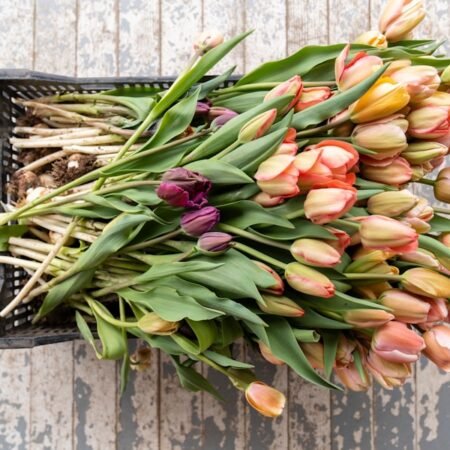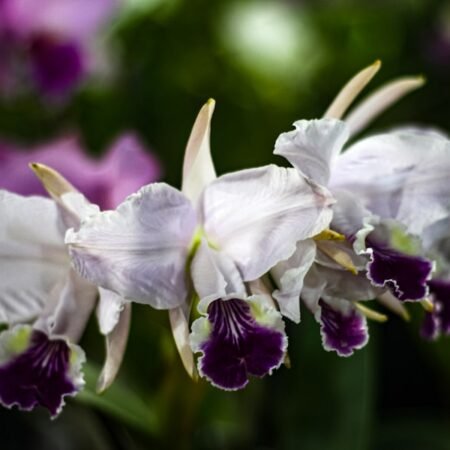

The anemone flower, also known as the windflower, is a delicate and beautiful bloom that belongs to the Ranunculaceae family. This flower is native to Europe, North America, and Japan, and it comes in a variety of colors including white, pink, purple, and red. The name “anemone” is derived from the Greek word for “wind,” which is fitting given the flower’s delicate and fluttering petals. Anemones are often found in woodlands, meadows, and gardens, and they are known for their ability to thrive in a variety of climates and soil types.
Anemone flowers are characterized by their simple yet elegant appearance, with a central cluster of yellow stamens surrounded by several delicate petals. These flowers are often associated with fragility and transience, as they have a relatively short blooming period and are easily affected by changes in weather. Despite their delicate nature, anemones have a long history of cultural significance and have been revered in various mythologies, art forms, and literary works throughout history.
Anemone Flower in Greek Mythology
In Greek mythology, the anemone flower is closely associated with the story of Adonis and Aphrodite. According to legend, Adonis was a handsome young man who was loved by the goddess Aphrodite. However, he was tragically killed by a wild boar while hunting in the woods. As Adonis lay dying, Aphrodite rushed to his side and accidentally pricked herself on a thorn from a nearby anemone flower. It is said that the blood from her wound stained the petals of the flower red, forever linking the anemone to the tragic love story of Adonis and Aphrodite.
The anemone flower is also associated with the arrival of spring in Greek mythology. According to one myth, the anemone was created by the goddess Flora as a tribute to her deceased lover, Zephyrus, the god of the west wind. The flower was said to have sprung from his blood as a symbol of his eternal love for Flora. These myths have contributed to the anemone’s reputation as a symbol of love, beauty, and the fleeting nature of life.
Anemone Flower in Art and Literature
The anemone flower has been a popular subject in art and literature for centuries, thanks to its striking appearance and rich symbolism. In ancient Greek art, the anemone was often depicted in paintings and sculptures as a symbol of love and beauty. The flower’s delicate petals and vibrant colors made it a favorite motif among artists who sought to capture the essence of spring and renewal.
In literature, the anemone has been used as a powerful symbol of love, loss, and remembrance. In Shakespeare’s play “Hamlet,” Ophelia famously presents Queen Gertrude with anemones as a symbol of her unrequited love for Hamlet. The flower’s association with tragic love stories has made it a popular motif in poetry and romantic literature throughout history.
Anemone Flower in Modern Symbolism
In modern times, the anemone flower has continued to be a popular symbol in art, fashion, and design. Its delicate petals and vibrant colors make it a favorite choice for floral arrangements and wedding bouquets. The anemone’s association with love and beauty has also made it a popular motif in jewelry and accessories, with many designers incorporating the flower into their designs as a symbol of romance and femininity.
The anemone flower has also been adopted as a symbol of remembrance and healing in modern times. In some cultures, the flower is used to honor loved ones who have passed away, while in others it is seen as a symbol of hope and renewal. The anemone’s ability to thrive in a variety of climates and soil types has also made it a popular choice for gardeners looking to add a touch of elegance to their outdoor spaces.
Anemone Flower in Different Cultures
The anemone flower holds different meanings in various cultures around the world. In Eastern cultures such as China and Japan, the anemone is often associated with luck and protection. In these cultures, the flower is believed to bring good fortune and ward off evil spirits, making it a popular choice for gifts and decorations.
In Western cultures, the anemone is often seen as a symbol of love and anticipation. In Victorian England, the flower was often given as a token of affection or used to convey a sense of longing or anticipation. In France, the anemone is associated with luck and protection, and it is often given as a gift to bring good fortune to the recipient.
Anemone Flower in Botanical and Medicinal Use
In addition to its cultural significance, the anemone flower has also been used for its medicinal properties for centuries. In traditional Chinese medicine, the roots of the anemone plant are used to treat various ailments including headaches, menstrual cramps, and arthritis. The plant’s leaves and flowers are also used to make herbal teas that are believed to have calming and anti-inflammatory effects.
In Western herbal medicine, the anemone has been used to treat wounds, fevers, and digestive issues. The plant’s roots contain compounds that have been shown to have anti-inflammatory and analgesic properties, making them a popular choice for natural pain relief. However, it is important to note that some species of anemone can be toxic if ingested, so it is important to consult with a healthcare professional before using any herbal remedies.
The Timeless Appeal of the Anemone Flower
In conclusion, the anemone flower has captivated people around the world for centuries with its delicate beauty and rich symbolism. From its origins in Greek mythology to its modern-day use in art, fashion, and medicine, the anemone has remained a timeless symbol of love, beauty, and renewal. Whether used as a token of affection or as a source of natural healing, the anemone continues to hold a special place in the hearts of people from all walks of life. Its ability to thrive in diverse environments and its enduring cultural significance make it a truly remarkable flower that will continue to inspire and enchant for generations to come.