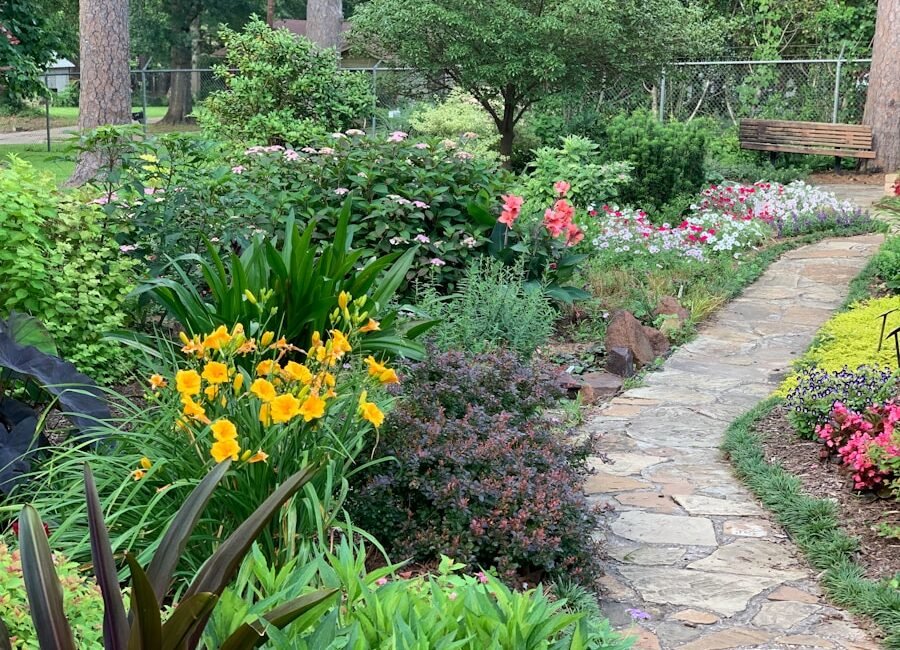

Understanding the seasonal patterns of pollinators is crucial for creating a successful pollinator-friendly garden. Different species of bees and butterflies have varying activity levels throughout the year, and it’s important to cater to their needs during each season. In the spring, for example, many pollinators emerge from hibernation and are in search of nectar and pollen to fuel their activities. This is a critical time for planting early blooming flowers and providing nesting sites for bees. As the summer months approach, pollinator activity reaches its peak, and it’s essential to have a variety of flowering plants to sustain them. Fall is a time when many pollinators are preparing for hibernation or migration, so having late blooming flowers and nesting materials available is important. By understanding these seasonal patterns, gardeners can ensure that their garden provides essential resources for pollinators year-round.
Pollinator patterns can also vary based on geographic location, so it’s important to research the specific needs of pollinators in your area. Some regions may have different native species of bees and butterflies that require specific plants and habitats for survival. By understanding the seasonal and regional patterns of pollinators, gardeners can create a garden that is not only beautiful but also provides essential resources for these important creatures.
Identifying Bee and Butterfly Attraction Techniques
Attracting bees and butterflies to your garden requires a combination of techniques that cater to their specific needs. Bees are attracted to a wide variety of flowering plants, particularly those with bright colors and a high nectar content. Planting a diverse array of flowers that bloom at different times throughout the year can help attract and sustain bee populations. Butterflies, on the other hand, are attracted to specific host plants for their caterpillars as well as nectar-rich flowers for the adult butterflies. By incorporating both host plants and nectar sources into your garden, you can create a habitat that supports the entire life cycle of butterflies.
In addition to planting the right flowers, providing water sources for pollinators is essential. Bees and butterflies need access to clean water for drinking and cooling, so incorporating a shallow dish or birdbath with rocks for perching can attract these important insects to your garden. Creating sheltered areas such as brush piles or bee houses can also provide nesting sites for bees and butterflies. By identifying and implementing these attraction techniques, gardeners can create a welcoming environment for pollinators in their gardens.
Creating a Pollinator-Friendly Garden Environment
Creating a pollinator-friendly garden environment involves more than just planting flowers; it requires careful consideration of the entire ecosystem. Avoiding the use of pesticides and herbicides is crucial for creating a healthy environment for pollinators. These chemicals can be harmful to bees and butterflies, as well as the plants they rely on for food. Instead, opt for natural pest control methods such as companion planting and attracting beneficial insects like ladybugs and lacewings.
Incorporating a variety of native plants into your garden can also help create a more hospitable environment for pollinators. Native plants have co-evolved with local pollinators and are often better suited to their needs than non-native species. Additionally, native plants are often more resilient and require less maintenance, making them an ideal choice for a sustainable garden environment. Creating a diverse habitat with a mix of flowering plants, shrubs, and trees can provide food and shelter for a wide range of pollinators, contributing to a healthy and balanced ecosystem.
Choosing the Right Plants for Pollinator Attraction
Choosing the right plants for pollinator attraction is essential for creating a successful pollinator-friendly garden. When selecting plants, it’s important to consider the specific needs of bees and butterflies. Bees are attracted to flowers with bright colors such as yellow, blue, and purple, as well as those with a high nectar content. Some bee-friendly plants to consider include lavender, sunflowers, bee balm, and coneflowers. Butterflies, on the other hand, are attracted to specific host plants for their caterpillars as well as nectar-rich flowers for the adult butterflies. Some butterfly-friendly plants to consider include milkweed, butterfly bush, asters, and phlox.
In addition to selecting plants that attract bees and butterflies, it’s important to choose a variety of flowers that bloom at different times throughout the year. This ensures that there is a continuous food source available for pollinators from early spring through late fall. By choosing the right plants for pollinator attraction, gardeners can create a diverse and sustainable garden that supports a wide range of pollinators.
Providing Essential Resources for Pollinators
Providing essential resources for pollinators goes beyond just planting flowers; it involves creating a habitat that meets all of their needs. In addition to nectar-rich flowers, bees and butterflies require access to clean water for drinking and cooling. Incorporating a shallow dish or birdbath with rocks for perching can provide a water source for these important insects. Providing nesting sites is also crucial for supporting bee populations. Bees nest in a variety of locations including underground burrows, hollow plant stems, and wood cavities, so incorporating these features into your garden can provide essential nesting sites for bees.
Butterflies also require specific host plants for their caterpillars as well as nectar-rich flowers for the adult butterflies. By incorporating both host plants and nectar sources into your garden, you can create a habitat that supports the entire life cycle of butterflies. Providing essential resources for pollinators ensures that they have everything they need to thrive in your garden.
Maintaining a Healthy and Sustainable Garden for Pollinators
Maintaining a healthy and sustainable garden for pollinators involves ongoing care and attention to ensure that the ecosystem remains balanced. Avoiding the use of pesticides and herbicides is crucial for creating a healthy environment for pollinators. These chemicals can be harmful to bees and butterflies, as well as the plants they rely on for food. Instead, opt for natural pest control methods such as companion planting and attracting beneficial insects like ladybugs and lacewings.
Regular maintenance such as weeding, pruning, and mulching can also contribute to a healthy garden environment. Weeding helps prevent competition for resources among plants, while pruning encourages healthy growth and flowering. Mulching helps retain moisture in the soil and suppresses weeds, creating a more hospitable environment for pollinators. By maintaining a healthy and sustainable garden, gardeners can ensure that their space continues to support pollinators year after year.
Monitoring and Adapting Your Garden for Pollinator Success
Monitoring and adapting your garden for pollinator success involves paying attention to the needs of the pollinators in your area and making adjustments as necessary. Regularly observing the activity of bees and butterflies in your garden can provide valuable insight into which plants are most attractive to them. If certain plants are not being visited by pollinators, it may be necessary to replace them with more appealing options.
In addition to monitoring plant-pollinator interactions, it’s important to keep an eye on the overall health of your garden ecosystem. If pests or diseases become an issue, it’s important to address them using natural pest control methods rather than resorting to chemical treatments. By monitoring and adapting your garden for pollinator success, you can create an environment that supports these important creatures year after year.
In conclusion, creating a successful pollinator-friendly garden involves understanding seasonal pollinator patterns, identifying attraction techniques, creating a hospitable environment, choosing the right plants, providing essential resources, maintaining a healthy ecosystem, and monitoring and adapting as necessary. By following these guidelines, gardeners can create beautiful and sustainable spaces that support bees and butterflies while enhancing the overall health of their gardens. With careful planning and ongoing care, anyone can create a thriving habitat for these important pollinators in their own backyard.