
When it comes to choosing the right climbing flowers for your garden, there are a few key factors to consider. First and foremost, you’ll want to think about the climate and growing conditions in your area. Some climbing flowers thrive in hot, sunny climates, while others prefer cooler, shadier conditions. It’s important to choose varieties that are well-suited to your specific environment in order to ensure their success.
Another important consideration when choosing climbing flowers is the overall aesthetic you’re hoping to achieve in your garden. Do you want a riot of color and fragrance, or are you looking for something more subtle and understated? Different climbing flowers offer different visual and olfactory experiences, so it’s important to think about the overall look and feel you’re hoping to create in your outdoor space.
Some popular climbing flowers to consider for your garden include clematis, honeysuckle, jasmine, and wisteria. Each of these varieties offers its own unique beauty and charm, so take the time to research and consider which options will best suit your garden’s needs.
Providing Proper Support and Structure for Climbing Flowers
Once you’ve chosen the perfect climbing flowers for your garden, it’s important to provide them with the proper support and structure they need to thrive. Most climbing flowers require some form of support in order to grow and flourish, so it’s important to plan ahead and provide them with the necessary infrastructure.
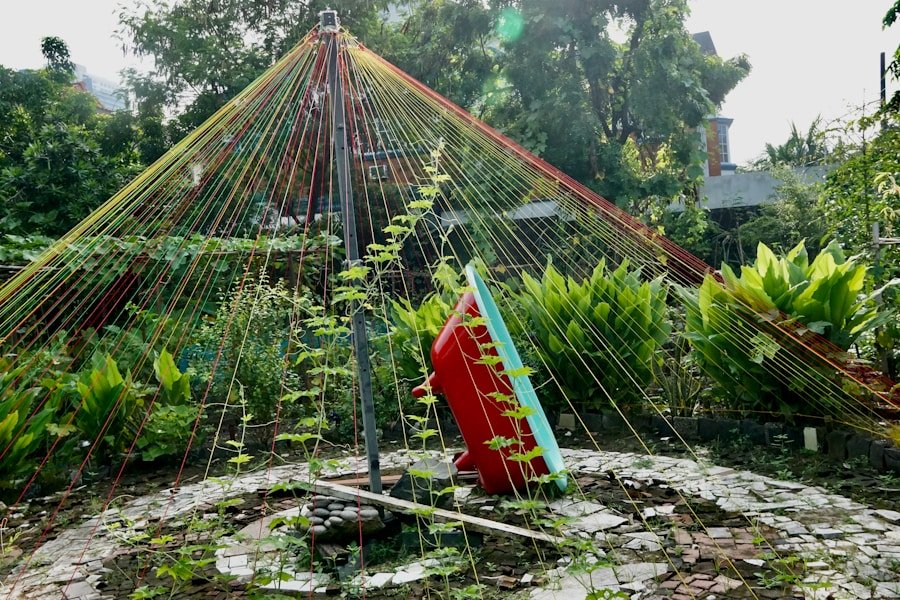
There are a variety of different support structures you can use for climbing flowers, including trellises, arbors, and pergolas. Each of these options offers its own unique benefits and can help create a stunning visual impact in your garden. When choosing a support structure for your climbing flowers, it’s important to consider the overall aesthetic you’re hoping to achieve, as well as the specific needs of the plants you’ve chosen.
In addition to providing physical support for your climbing flowers, it’s also important to consider the overall layout and design of your garden. Think about how your climbing flowers will interact with other plants and structures in your outdoor space, and plan accordingly to ensure a cohesive and visually appealing result.
Understanding the Importance of Sunlight and Soil for Climbing Flowers
Sunlight and soil are two of the most important factors to consider when it comes to growing healthy and beautiful climbing flowers. Most climbing flowers require plenty of sunlight in order to thrive, so it’s important to choose a location in your garden that receives ample sunshine throughout the day. If your garden is shaded or receives limited sunlight, you may need to consider alternative varieties of climbing flowers that are better suited to these conditions.
In addition to sunlight, soil quality is also crucial for the health and vitality of climbing flowers. Most climbing flowers prefer well-draining soil that is rich in organic matter, so it’s important to take the time to prepare your garden beds before planting. Consider adding compost or other organic amendments to improve soil quality and provide your climbing flowers with the nutrients they need to grow and flourish.
It’s also important to consider the pH of your soil when growing climbing flowers. Different varieties have different preferences when it comes to soil acidity, so it’s important to test your soil and make any necessary adjustments before planting. By taking the time to understand the specific sunlight and soil needs of your chosen climbing flowers, you can help ensure their success and longevity in your garden.
Pruning and Training Techniques for Healthy and Beautiful Climbing Flowers
Pruning and training are essential techniques for maintaining healthy and beautiful climbing flowers in your garden. Proper pruning can help promote healthy growth, improve flowering, and maintain a tidy appearance, while training can help direct the growth of your climbing flowers in a way that enhances their visual impact.
When it comes to pruning climbing flowers, it’s important to understand the specific needs of each variety you’re growing. Some climbing flowers benefit from regular pruning throughout the growing season, while others may only require occasional maintenance. It’s important to research the specific pruning needs of your chosen climbing flowers and develop a plan for regular maintenance.
Training climbing flowers involves guiding their growth in a way that enhances their visual impact and promotes healthy development. This can involve tying stems to a support structure, directing growth along a trellis or arbor, or encouraging vines to grow in a specific direction. By taking the time to train your climbing flowers, you can help create a stunning visual display in your garden while also promoting healthy growth and development.
Nurturing Climbing Flowers Through Every Season
Nurturing climbing flowers through every season is essential for their long-term health and vitality. Each season presents its own unique challenges and opportunities when it comes to caring for climbing flowers, so it’s important to develop a plan for year-round maintenance.
In the spring, it’s important to focus on preparing your climbing flowers for the growing season ahead. This may involve pruning, training, and providing additional support as needed. It’s also important to monitor soil moisture levels and provide supplemental water as necessary, especially during periods of dry weather.
During the summer months, it’s important to continue monitoring soil moisture levels and providing regular water as needed. It’s also important to keep an eye out for pests and diseases that may affect your climbing flowers, as these issues can quickly escalate during periods of warm, humid weather.
As fall approaches, it’s important to start thinking about preparing your climbing flowers for the winter months ahead. This may involve pruning back spent growth, providing additional support as needed, and protecting tender varieties from frost and freezing temperatures.
Dealing with Pests and Diseases in Climbing Flowers
Dealing with pests and diseases is an inevitable part of growing any type of plant, including climbing flowers. It’s important to be vigilant when it comes to monitoring for potential issues and take proactive steps to address them before they become serious problems.
Common pests that may affect climbing flowers include aphids, spider mites, and caterpillars. These pests can cause damage to leaves, stems, and flowers, so it’s important to take action at the first sign of infestation. This may involve using insecticidal soap or other natural remedies to control pest populations.
In addition to pests, climbing flowers are also susceptible to a variety of diseases that can affect their health and vitality. Common diseases that may affect climbing flowers include powdery mildew, downy mildew, and various fungal infections. It’s important to monitor for signs of disease and take proactive steps to prevent their spread, such as providing proper air circulation and avoiding overhead watering.
By taking proactive steps to monitor for pests and diseases and address any issues as soon as they arise, you can help ensure the long-term health and vitality of your climbing flowers.
Tips for Extending the Lifespan of Climbing Flowers in Your Garden
Extending the lifespan of climbing flowers in your garden is a goal that many gardeners strive for. By taking proactive steps to care for your climbing flowers throughout the year, you can help ensure their long-term health and vitality.
One key tip for extending the lifespan of climbing flowers is to provide them with proper support and structure from the beginning. By investing in high-quality trellises, arbors, or other support structures, you can help ensure that your climbing flowers have the infrastructure they need to thrive.
Another important tip for extending the lifespan of climbing flowers is to provide them with proper care throughout every season. This may involve regular pruning, training, watering, and monitoring for pests and diseases. By taking proactive steps to care for your climbing flowers throughout the year, you can help ensure their long-term health and vitality.
Finally, it’s important to take the time to research the specific needs of the climbing flowers you’ve chosen for your garden. By understanding their sunlight, soil, water, and maintenance needs, you can help ensure their success and longevity in your outdoor space.
In conclusion, growing healthy and beautiful climbing flowers in your garden requires careful planning, proper support structures, attention to sunlight and soil needs, regular maintenance through pruning and training techniques, nurturing through every season, vigilance against pests and diseases, and proactive steps for extending their lifespan. By taking these factors into consideration and implementing best practices for caring for climbing flowers in your garden, you can create a stunning visual display that will bring joy and beauty year after year.