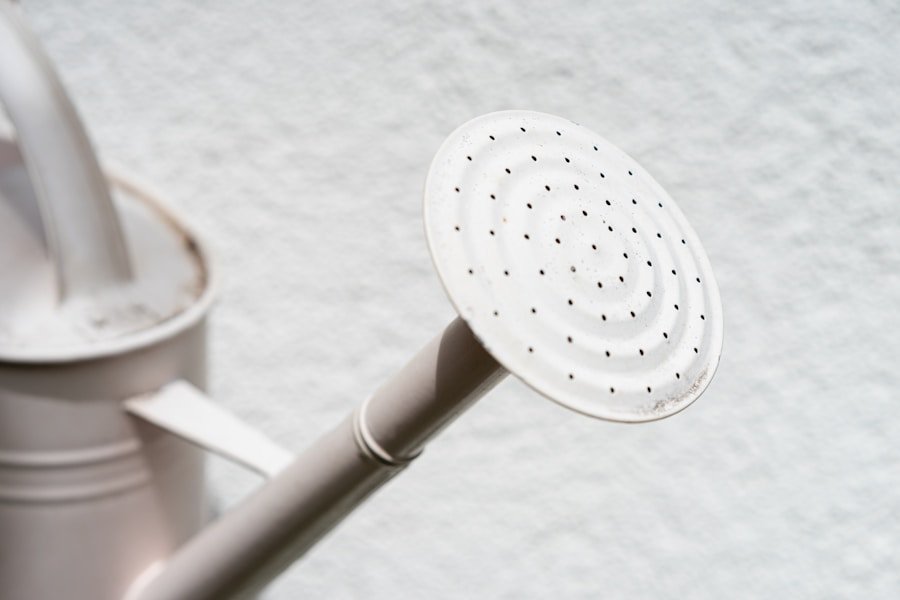

Dry seasons can have a significant impact on the health and growth of flowers. During these periods, the lack of rainfall and high temperatures can lead to drought conditions, causing stress to plants and hindering their ability to thrive. The lack of moisture in the soil can result in wilting, stunted growth, and even death of flowers if not properly cared for. Additionally, the intense sunlight and heat can cause sunburn and damage to the delicate petals and leaves of flowers. It is important for gardeners to understand the specific challenges that dry seasons present for flower care in order to effectively mitigate their impact and ensure the health and vitality of their plants.
Furthermore, dry seasons can also lead to an increase in pests and diseases that can further threaten the well-being of flowers. The stress caused by drought conditions weakens the natural defenses of plants, making them more susceptible to attacks from insects and pathogens. This can result in infestations, leaf damage, and the spread of diseases throughout the garden. It is crucial for gardeners to be aware of these potential threats and take proactive measures to protect their flowers during dry seasons. By understanding the impact of dry seasons on flowers, gardeners can make informed decisions and implement appropriate strategies to support the health and resilience of their plants.
Choosing the Right Flowers for Dry Seasons
When it comes to flower care during dry seasons, selecting the right types of flowers is essential for ensuring their survival and success. Certain species are naturally more resilient to drought conditions and are better equipped to withstand the challenges posed by dry seasons. Drought-tolerant flowers, such as lavender, yarrow, and blanket flower, have adapted to thrive in arid environments and require minimal water to flourish. These plants have developed mechanisms to conserve moisture and withstand high temperatures, making them ideal choices for gardens in regions prone to dry spells.
In addition to choosing drought-tolerant flowers, it is important to consider the specific climate and soil conditions of the garden when selecting plants for dry seasons. Some flowers may be better suited to sandy or well-draining soils, while others may prefer clay or loamy soils. By understanding the unique needs of different flower species, gardeners can make informed choices that will support the health and vitality of their plants during dry seasons. Furthermore, selecting a diverse range of flowers with varying bloom times can help ensure a continuous display of color and beauty throughout the year, even in the face of challenging weather conditions.
Watering Techniques for Flowers in Dry Seasons
Proper watering is crucial for maintaining the health and vitality of flowers during dry seasons. Inadequate moisture can lead to wilting, stunted growth, and even death of plants, while overwatering can cause root rot and other issues. It is important for gardeners to implement effective watering techniques that provide plants with the right amount of moisture to support their needs without wasting water or causing harm. One approach is to water deeply and infrequently, allowing the soil to dry out slightly between watering sessions. This encourages plants to develop deep root systems that can access moisture from lower soil layers, making them more resilient to drought conditions.
Another effective watering technique for flowers in dry seasons is to water in the early morning or late evening when temperatures are cooler and evaporation rates are lower. This helps minimize water loss and ensures that plants have adequate time to absorb moisture before the heat of the day sets in. Additionally, using drip irrigation or soaker hoses can deliver water directly to the root zone of plants, reducing waste and promoting efficient water uptake. By implementing these watering techniques, gardeners can help their flowers thrive during dry seasons while conserving water and minimizing the risk of overwatering-related issues.
Soil Preparation and Maintenance for Dry Seasons
Preparing and maintaining healthy soil is essential for supporting the growth and resilience of flowers during dry seasons. Well-draining soil with good structure and fertility is crucial for ensuring that plants have access to essential nutrients and moisture, even in challenging weather conditions. One approach is to amend the soil with organic matter such as compost, peat moss, or aged manure to improve its texture, water retention, and nutrient content. This helps create a healthy growing environment for flowers and supports their ability to withstand drought stress.
In addition to soil amendment, it is important for gardeners to regularly monitor and maintain the condition of their soil throughout dry seasons. Mulching with organic materials such as wood chips, straw, or shredded leaves can help conserve moisture, regulate soil temperature, and suppress weed growth. This not only helps protect the soil from erosion and compaction but also reduces the need for frequent watering and minimizes water loss through evaporation. Furthermore, practicing minimal tillage and avoiding excessive foot traffic in the garden can help preserve soil structure and prevent damage to delicate root systems. By prioritizing soil preparation and maintenance, gardeners can create a supportive growing environment for their flowers during dry seasons.
Protection from Extreme Heat and Sunlight
Extreme heat and intense sunlight can pose significant challenges for flower care during dry seasons. Prolonged exposure to high temperatures can cause wilting, sunburn, and heat stress in plants, leading to reduced growth and flower production. It is important for gardeners to take proactive measures to protect their flowers from these harsh environmental conditions in order to ensure their health and vitality. One approach is to provide shade for plants using structures such as shade cloth, umbrellas, or trellises to reduce direct exposure to sunlight during the hottest parts of the day.
In addition to providing shade, it is important to maintain adequate air circulation around plants to prevent heat buildup and reduce the risk of fungal diseases. This can be achieved by spacing plants appropriately, pruning back overgrown foliage, and removing any debris or obstacles that may obstruct airflow. Furthermore, applying a layer of reflective mulch around plants can help reduce soil temperature and minimize heat stress on roots. By implementing these protective measures, gardeners can help their flowers withstand extreme heat and sunlight during dry seasons while promoting healthy growth and blooming.
Pruning and Deadheading for Flower Care in Dry Seasons
Pruning and deadheading are important practices for maintaining the health and appearance of flowers during dry seasons. Regular pruning helps promote strong growth, improve air circulation, and remove dead or diseased foliage that can attract pests and pathogens. Deadheading, or removing spent blooms from plants, encourages continuous flowering and prevents the formation of seeds, redirecting energy towards new growth and blooming. These practices not only enhance the aesthetic appeal of flowers but also support their overall health and resilience in challenging environmental conditions.
When pruning during dry seasons, it is important for gardeners to use sharp, clean tools to make precise cuts that minimize damage to plants. Removing dead or damaged branches, stems, or leaves can help improve plant vigor and reduce the risk of disease spread. Additionally, deadheading spent blooms regularly can help prolong the flowering period of plants and encourage the production of new buds. By incorporating pruning and deadheading into their flower care routine, gardeners can help their plants thrive during dry seasons while promoting a lush and vibrant garden display.
Additional Tips and Tricks for Successful Flower Care in Dry Seasons
In addition to the aforementioned strategies, there are several additional tips and tricks that can help gardeners successfully care for their flowers during dry seasons. One approach is to group plants with similar water needs together in the garden to facilitate more efficient watering practices. This allows gardeners to tailor their watering schedule and techniques based on the specific requirements of different flower species, ensuring that each plant receives adequate moisture without overwatering others.
Furthermore, applying a layer of organic mulch around plants can help conserve moisture, suppress weed growth, regulate soil temperature, and improve overall soil health. Mulching also helps protect delicate root systems from extreme temperatures and reduces water loss through evaporation, making it an effective tool for supporting flower care during dry seasons.
Another useful tip is to monitor weather forecasts and adjust watering schedules accordingly based on predicted rainfall or temperature fluctuations. This allows gardeners to adapt their care routine in response to changing environmental conditions, ensuring that their flowers receive optimal support throughout dry seasons.
Moreover, incorporating drought-tolerant perennials into the garden design can help create a low-maintenance landscape that thrives even in challenging weather conditions. These hardy plants require minimal water once established and provide long-lasting beauty year after year.
In conclusion, caring for flowers during dry seasons requires thoughtful planning, proactive measures, and a deep understanding of plant needs in challenging environmental conditions. By choosing drought-tolerant flowers, implementing effective watering techniques, preparing healthy soil, protecting plants from extreme heat and sunlight, practicing regular pruning and deadheading, as well as incorporating additional tips and tricks into their care routine, gardeners can support the health and vitality of their flowers throughout dry seasons. With proper attention and care, it is possible to create a beautiful garden display that thrives even in the face of drought conditions, providing joy and inspiration year after year.