
The floral market is heavily influenced by seasonal changes, with each season bringing its own unique trends and demands. From the vibrant blooms of spring to the rich, warm tones of fall, floral businesses must constantly adapt to meet the needs of their customers. Understanding these seasonal changes is crucial for floral businesses to thrive in a competitive market. By staying ahead of trends and offering a diverse range of products, floral businesses can capitalize on the ever-changing demands of their customers.
Spring: The Peak Season for Floral Sales
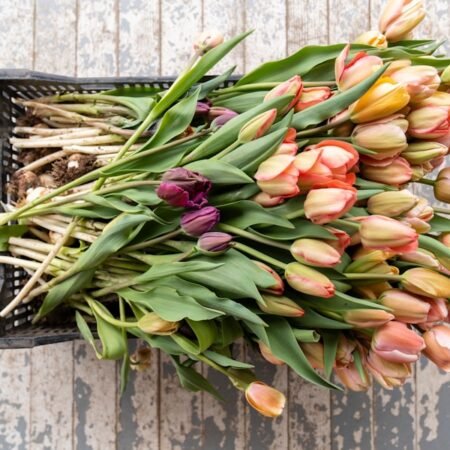
Spring is undoubtedly the peak season for floral sales, as it marks the beginning of new life and growth. Customers are drawn to the bright and cheerful colors of spring blooms, such as tulips, daffodils, and cherry blossoms. Floral businesses must be prepared to meet the high demand for these popular spring flowers, as well as offer unique and creative arrangements to stand out in the market. Additionally, with events such as Mother’s Day and Easter, there is a significant increase in the demand for floral gifts during this time. Floral businesses must be proactive in their marketing efforts and ensure they have a wide variety of products to cater to the diverse needs of their customers during the spring season.
During the spring season, floral businesses can also take advantage of the growing trend of sustainable and eco-friendly floral practices. Customers are increasingly conscious of the environmental impact of their purchases, and are seeking out florists who offer locally sourced and organic blooms. By embracing sustainable practices and promoting their eco-friendly offerings, floral businesses can attract a new segment of environmentally conscious customers and differentiate themselves in the market.
Summer: Trends in Wedding and Event Florals
Summer is synonymous with weddings and events, making it a busy time for floral businesses catering to these occasions. The summer season brings a shift towards more vibrant and tropical blooms, such as sunflowers, peonies, and tropical foliage. Floral businesses must stay updated on the latest wedding and event floral trends to meet the evolving preferences of their customers. Additionally, with outdoor events being popular during the summer months, there is a growing demand for floral installations and large-scale arrangements to adorn venues and create memorable experiences for guests.
In recent years, there has been a rise in the popularity of DIY floral workshops and classes during the summer season. Customers are eager to learn the art of floral arranging and create their own personalized arrangements for events and home decor. Floral businesses can capitalize on this trend by offering workshops and classes, providing an additional revenue stream while engaging with their community and building brand loyalty.
Fall: Transitioning to Autumnal Blooms
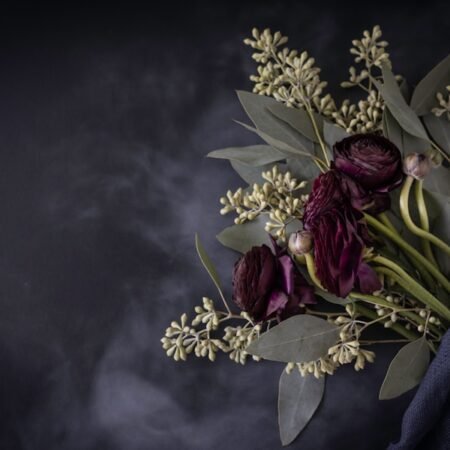
As summer transitions into fall, there is a shift towards warmer and earthy tones in floral preferences. Customers are drawn to autumnal blooms such as dahlias, chrysanthemums, and rich foliage that reflect the changing colors of the season. Floral businesses must adapt their product offerings to align with these seasonal preferences, while also incorporating popular fall elements such as pumpkins, gourds, and dried botanicals into their arrangements. Additionally, with holidays such as Thanksgiving and Halloween, there is a surge in demand for festive and themed floral designs that capture the spirit of the season.
During the fall season, floral businesses can also explore collaborations with local businesses and event planners to create unique and immersive experiences for customers. Pop-up shops, seasonal installations, and themed events can help floral businesses connect with their community and drive sales during this transitional period.
Winter: Holiday and Seasonal Floral Trends
Winter brings with it a flurry of holiday festivities and seasonal celebrations, making it a lucrative time for floral businesses. Customers are seeking out festive arrangements featuring traditional holiday blooms such as poinsettias, holly, and evergreen foliage. Additionally, there is a growing demand for winter-themed decor such as wreaths, garlands, and centerpieces to adorn homes and venues for holiday gatherings. Floral businesses must anticipate this surge in demand and prepare accordingly by offering a wide range of holiday-themed products to cater to their customers’ needs.
In recent years, there has been a shift towards non-traditional holiday decor, with customers seeking out unique and contemporary floral designs that break away from traditional red and green color schemes. Floral businesses can capitalize on this trend by offering modern and minimalist holiday arrangements that appeal to a younger demographic seeking out unconventional decor options for their homes and events.
How Climate Change Affects Floral Market Trends
Climate change has had a significant impact on the floral market, affecting the availability and pricing of certain blooms throughout the year. Unpredictable weather patterns, extreme temperatures, and natural disasters have disrupted the supply chain for many floral businesses, leading to fluctuations in product availability and pricing. Additionally, climate change has also influenced customer preferences, with an increasing demand for sustainable and locally sourced blooms that have a lower environmental impact.
Floral businesses must adapt to these changes by diversifying their product offerings and sourcing blooms from sustainable suppliers. By promoting eco-friendly practices and transparent sourcing methods, floral businesses can build trust with their customers and differentiate themselves in a market that is increasingly conscious of environmental issues.
Adapting to Seasonal Changes: Strategies for Floral Businesses
To thrive in a market that is constantly evolving with seasonal changes, floral businesses must adopt proactive strategies to stay ahead of trends and meet the diverse needs of their customers. This includes staying updated on the latest floral trends through industry publications, attending trade shows and workshops, and networking with other professionals in the industry. By staying informed about emerging trends and consumer preferences, floral businesses can anticipate shifts in demand and adjust their product offerings accordingly.
Furthermore, embracing technology and digital marketing is crucial for floral businesses to reach a wider audience and drive sales during seasonal changes. Utilizing social media platforms, e-commerce websites, and email marketing campaigns can help floral businesses showcase their products, engage with customers, and promote seasonal offerings effectively. Additionally, offering personalized services such as custom arrangements, subscription services, and event consultations can help floral businesses build lasting relationships with their customers and create a loyal customer base.
In conclusion, understanding seasonal changes in the floral market is essential for floral businesses to thrive in a competitive industry. By staying ahead of trends, embracing sustainable practices, and adopting proactive strategies, floral businesses can adapt to seasonal changes and meet the diverse needs of their customers throughout the year.