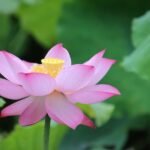

Flower meditation has been practiced for centuries in various cultures around the world. In ancient India, the use of flowers in meditation was a common practice, with the lotus flower being a symbol of purity and enlightenment. In Buddhism, the lotus flower is often used as a focal point for meditation, representing the journey from darkness to light. In Japan, the practice of Ikebana, or flower arranging, has been used as a form of meditation for centuries, with the act of arranging flowers being a way to connect with nature and find inner peace. In ancient Egypt, flowers were used in religious ceremonies and rituals, with the belief that they had healing and spiritual properties. The use of flowers in meditation has also been prevalent in Western cultures, with the Victorian language of flowers being used to convey emotions and messages through the arrangement of different blooms. Today, flower meditation continues to be a popular practice, with people around the world using flowers as a way to connect with nature and find inner peace.
The use of flowers in meditation has a long and rich history, with different cultures around the world incorporating flowers into their spiritual practices. From ancient India to modern-day Western cultures, the use of flowers in meditation has been a way to connect with nature and find inner peace. The symbolism and spiritual significance of different flowers have played a significant role in the practice of flower meditation, with each bloom carrying its own unique meaning and energy. As the practice of meditation continues to gain popularity, the use of flowers as a tool for mindfulness and relaxation has become more prevalent, with people turning to nature as a way to find peace and tranquility in their daily lives.
The Science Behind Flower Meditation
The practice of flower meditation is not only rooted in spiritual and cultural traditions but also has scientific backing. Research has shown that exposure to nature, including flowers, can have a positive impact on mental health and well-being. Studies have found that being in the presence of flowers can reduce stress, anxiety, and depression, and improve overall mood. The sight and smell of flowers can trigger the release of dopamine and serotonin in the brain, which are neurotransmitters associated with feelings of happiness and relaxation. Additionally, the act of focusing on the beauty and intricacy of flowers can help to quiet the mind and promote mindfulness. This can lead to a reduction in negative thought patterns and an increase in feelings of calm and contentment.
Furthermore, the practice of flower meditation can also have physical benefits. Research has shown that exposure to flowers can lower blood pressure and heart rate, leading to a reduction in stress-related symptoms. The act of focusing on the beauty and fragrance of flowers can also promote deep breathing and relaxation, which can have a positive impact on overall physical health. The combination of these physical and mental benefits makes flower meditation a powerful tool for promoting holistic well-being.
Types of Flowers Used in Meditation
There are countless types of flowers that can be used in meditation, each with its own unique symbolism and energy. Some popular choices for flower meditation include the lotus flower, which is often associated with purity and enlightenment in Eastern traditions. The rose is another popular choice for meditation, symbolizing love, beauty, and compassion. Other popular choices include lavender, which is known for its calming and soothing properties, and jasmine, which is often used to promote relaxation and inner peace. Additionally, different colors of flowers can also carry their own unique meanings and energies. For example, white flowers are often associated with purity and innocence, while red flowers are often associated with passion and vitality. When choosing flowers for meditation, it’s important to consider their symbolism and energy to create a meaningful and effective practice.
In addition to traditional choices, there are also many lesser-known flowers that can be used in meditation. For example, the peony is often associated with prosperity and good fortune, making it a popular choice for abundance meditations. The sunflower is often associated with positivity and optimism, making it a great choice for promoting feelings of joy and happiness. Additionally, different cultures have their own unique traditions and beliefs surrounding specific flowers, so it can be beneficial to explore different cultural practices when choosing flowers for meditation.
How to Incorporate Flowers into Your Meditation Practice
Incorporating flowers into your meditation practice can be a simple yet powerful way to enhance your experience. One common way to use flowers in meditation is to create a focal point by placing a single bloom or a small bouquet in front of you during your practice. You can then focus on the beauty and energy of the flower as a way to quiet the mind and promote mindfulness. Another way to incorporate flowers into your meditation practice is through aromatherapy. Many flowers have fragrances that are known for their calming and soothing properties, such as lavender or chamomile. You can use essential oils or incense made from these flowers to create a calming atmosphere during your meditation practice.
Additionally, you can also incorporate flowers into your meditation practice by creating a flower mandala. A mandala is a geometric pattern that is often used as a tool for meditation and spiritual growth. You can create your own mandala using different types of flowers, arranging them in a circular pattern to create a visually stunning focal point for your practice. This can be a creative and meditative process in itself, allowing you to connect with the beauty and energy of the flowers as you arrange them into a meaningful design.
The Healing Properties of Different Flowers
Different types of flowers are known for their unique healing properties, making them powerful tools for promoting physical and emotional well-being. For example, lavender is known for its calming and soothing properties, making it a popular choice for promoting relaxation and reducing anxiety. The scent of lavender has been shown to reduce stress levels and promote feelings of calmness and tranquility. Similarly, chamomile is another popular choice for promoting relaxation and reducing stress. The scent of chamomile has been shown to have sedative effects, making it an effective tool for promoting sleep and reducing insomnia.
In addition to promoting relaxation, some flowers are also known for their ability to promote healing and reduce pain. For example, arnica is a popular choice for promoting healing and reducing inflammation. The flower has been used for centuries as a natural remedy for bruises, sprains, and muscle pain. Similarly, calendula is known for its ability to promote healing and reduce inflammation. The flower has been used as a natural remedy for wounds, burns, and skin irritations due to its anti-inflammatory properties.
The Psychological Benefits of Flower Meditation
The practice of flower meditation offers numerous psychological benefits that can have a positive impact on mental health and well-being. One of the primary benefits of flower meditation is its ability to promote mindfulness and reduce stress. Focusing on the beauty and energy of flowers can help to quiet the mind and promote feelings of calmness and relaxation. This can lead to a reduction in stress-related symptoms such as anxiety and depression.
Additionally, flower meditation can also promote feelings of gratitude and appreciation. Taking the time to connect with the beauty of nature through flowers can help to cultivate feelings of gratitude for the world around us. This can lead to an increase in overall feelings of happiness and contentment.
Furthermore, the practice of flower meditation can also promote creativity and self-expression. Creating flower mandalas or arranging flowers in different patterns can be a creative process that allows for self-expression and exploration. This can be a powerful tool for promoting self-awareness and personal growth.
Creating a Sacred Space for Flower Meditation
Creating a sacred space for flower meditation can help to enhance your practice by providing a peaceful and nurturing environment for your meditation sessions. One way to create a sacred space for flower meditation is by setting up an altar or shrine dedicated to your practice. You can place a small table or shelf in a quiet area of your home and decorate it with fresh flowers, candles, incense, or other meaningful objects that hold spiritual significance for you.
Another way to create a sacred space for flower meditation is by incorporating natural elements into your environment. You can bring plants or potted flowers into your meditation space to create a connection with nature. Additionally, you can decorate your space with natural materials such as wood or stone to create a grounding and earthy atmosphere.
Furthermore, you can also enhance your sacred space by incorporating elements that promote relaxation and tranquility. Soft lighting, calming music or sounds from nature, and comfortable seating can all contribute to creating a peaceful environment for your flower meditation practice.
In conclusion, flower meditation is a powerful practice that has been used for centuries as a way to connect with nature and find inner peace. The use of flowers in meditation is rooted in spiritual traditions as well as scientific research that supports its ability to promote mental health and well-being. By incorporating different types of flowers into your meditation practice, you can experience their unique healing properties while reaping psychological benefits such as reduced stress levels and increased feelings of gratitude and creativity. Creating a sacred space for flower meditation can further enhance your practice by providing a peaceful environment that promotes relaxation and tranquility. Whether you choose to use flowers as a focal point for mindfulness or incorporate their fragrances into aromatherapy, flower meditation offers countless ways to connect with nature and find inner peace in your daily life.