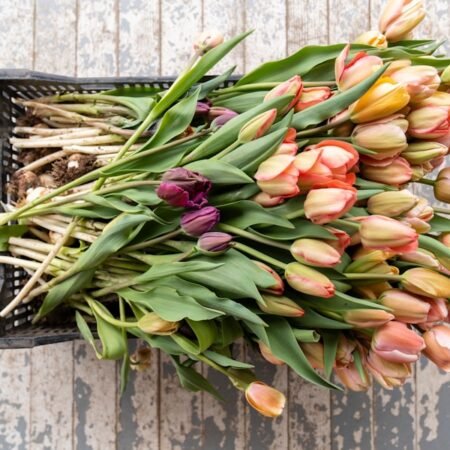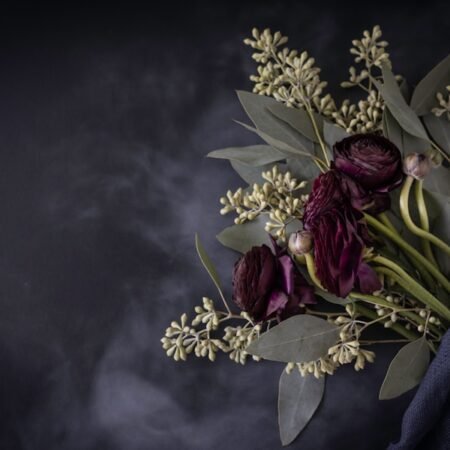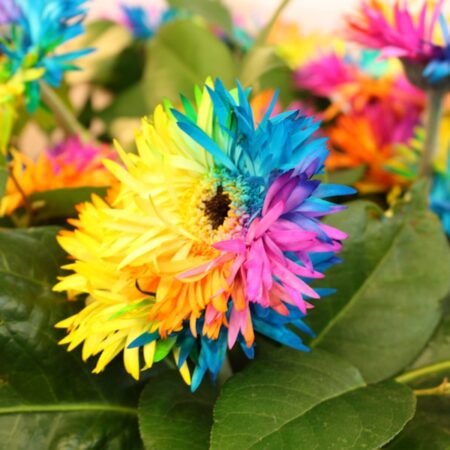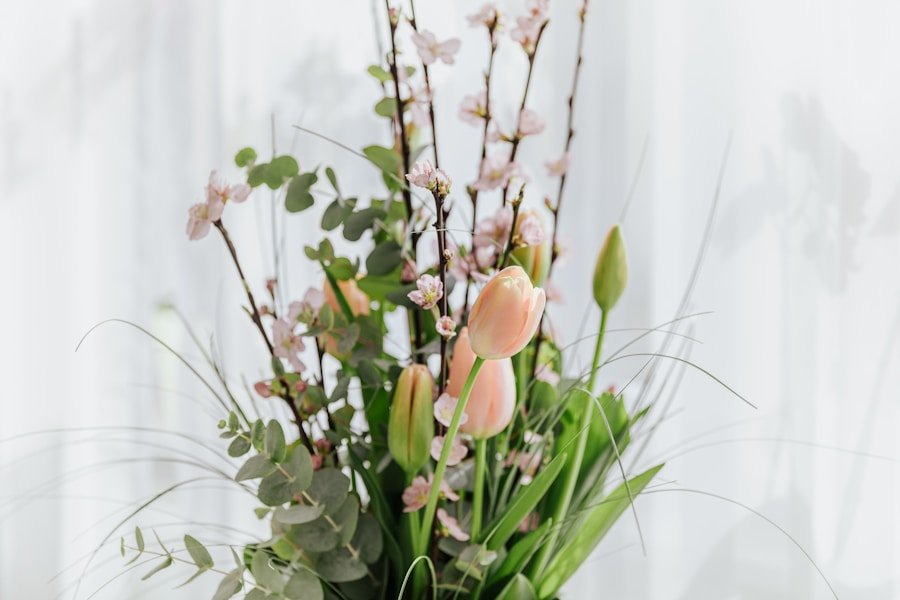

Funeral flowers have been a significant part of funeral traditions for centuries, serving as a way to honor and pay tribute to the deceased. They hold a special place in the hearts of those grieving, providing comfort and solace during a difficult time. The presence of flowers at a funeral not only adds beauty to the service, but also serves as a symbol of love, respect, and remembrance for the departed. The act of sending or bringing funeral flowers is a way for friends, family, and loved ones to express their condolences and support to those who are mourning. The sight and scent of flowers can bring a sense of peace and tranquility to the grieving process, offering a gentle reminder of the beauty and fragility of life.
In addition to their emotional significance, funeral flowers also play a practical role in the funeral service. They can help create a peaceful and comforting atmosphere, providing a sense of warmth and beauty to the somber occasion. The presence of flowers can also serve as a visual representation of the love and support surrounding the bereaved, offering a tangible expression of sympathy and compassion. Whether displayed at the funeral home, church, or gravesite, funeral flowers serve as a poignant reminder of the enduring impact and legacy of the departed, bringing comfort and solace to those left behind.
Understanding Symbolism and Meaning
Flowers have long been used as symbols in various cultures and traditions, each carrying its own unique meanings and significance. Understanding the symbolism and meaning behind different types of flowers can help in selecting the most appropriate arrangements for a funeral service. For example, lilies are often associated with purity and innocence, making them a popular choice for funeral flowers to honor the departed. Roses, with their timeless beauty and symbolism of love, are often used to convey heartfelt condolences and affection. Meanwhile, chrysanthemums are commonly used in Asian cultures as a symbol of grief and mourning, making them a fitting choice for funeral arrangements.
In addition to individual flower meanings, the color of the flowers can also carry symbolic significance. White flowers are often associated with purity, peace, and reverence, making them a popular choice for funeral arrangements. Red flowers, on the other hand, can symbolize love, courage, and respect, while pink flowers are often associated with grace, admiration, and gratitude. By understanding the symbolism and meaning behind different types and colors of flowers, it becomes possible to create arrangements that convey specific emotions and sentiments, providing a meaningful tribute to the departed.
Traditional Funeral Flowers and Their Meanings
Traditional funeral flowers hold deep symbolic meanings that have been passed down through generations. Some of the most commonly used traditional funeral flowers include lilies, roses, carnations, chrysanthemums, and gladioli. Lilies are often associated with purity, innocence, and rebirth, making them a popular choice for funeral arrangements. Their elegant appearance and delicate fragrance make them a fitting tribute to honor the departed. Roses are another popular choice for funeral flowers, symbolizing love, respect, and remembrance. Their timeless beauty and rich symbolism make them a meaningful addition to any funeral service.
Carnations are often used to convey love, admiration, and affection, making them a thoughtful choice for funeral arrangements. Their long-lasting blooms and wide range of colors make them a versatile option for expressing different emotions. Chrysanthemums hold special significance in Asian cultures as symbols of grief and mourning, making them a fitting choice for funeral flowers. Their resilient nature and vibrant colors make them a powerful symbol of remembrance and honor. Gladioli are often used to convey strength, integrity, and sincerity, making them a meaningful addition to funeral arrangements. Their tall stems and striking blooms make them a visually impactful tribute to the departed.
Selecting Funeral Flowers Based on Personal Significance
When selecting funeral flowers, it is important to consider the personal significance of the flowers to both the deceased and their loved ones. Choosing flowers that hold special meaning or significance can add an extra layer of depth and emotion to the funeral service. For example, if the deceased had a favorite flower or color, incorporating those into the arrangements can serve as a meaningful tribute to their life and legacy. Additionally, considering the personality and interests of the departed can help in selecting flowers that reflect their unique spirit and character.
Another important factor to consider when selecting funeral flowers is the relationship between the sender and the deceased. Close family members may choose to send larger, more elaborate arrangements as a way to express their deep love and respect for the departed. Friends and acquaintances may opt for smaller, more personal arrangements that reflect their individual connection with the deceased. By selecting funeral flowers based on personal significance, it becomes possible to create arrangements that truly honor and celebrate the life of the departed in a meaningful way.
Non-Traditional Funeral Flowers and Their Symbolism
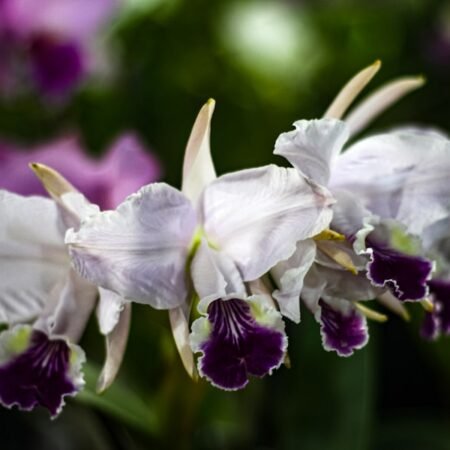
While traditional funeral flowers hold deep symbolic meanings, non-traditional options can also be used to create unique and meaningful tributes to the departed. Non-traditional funeral flowers can include exotic blooms, wildflowers, or even potted plants that hold personal significance to the deceased or their loved ones. For example, orchids are often used in funeral arrangements to convey love, beauty, and strength. Their delicate blooms and exotic appearance make them a striking addition to any funeral service.
Wildflowers are another non-traditional option for funeral flowers, symbolizing freedom, resilience, and natural beauty. Their untamed appearance and vibrant colors can serve as a powerful tribute to the departed’s spirit and zest for life. Potted plants such as peace lilies or bonsai trees can also be used as non-traditional funeral flowers, symbolizing growth, renewal, and enduring love. By incorporating non-traditional funeral flowers into arrangements, it becomes possible to create unique and personalized tributes that reflect the individuality and spirit of the departed.
Incorporating Cultural and Religious Traditions
In many cultures and religious traditions, specific types of flowers hold special significance in funeral rituals and ceremonies. For example, in Hindu traditions, marigolds are often used in funeral ceremonies as symbols of purity and devotion. Their vibrant colors and strong fragrance are believed to guide the soul of the departed to its final resting place. In Jewish traditions, it is customary to send or bring white flowers to a funeral service as a symbol of purity and respect for the deceased.
In addition to specific flower choices, cultural and religious traditions may also dictate how flowers are arranged or displayed during a funeral service. For example, in some cultures, it is customary to place flowers on or around the casket as a sign of respect and honor for the departed. In other traditions, mourners may be encouraged to bring or send flowers as a way to express their condolences and support for the bereaved. By incorporating cultural and religious traditions into funeral flower arrangements, it becomes possible to create meaningful tributes that honor the beliefs and customs of the departed and their loved ones.
Finding Comfort and Closure through Symbolic Funeral Flowers
The presence of symbolic funeral flowers can provide comfort and closure to those who are grieving the loss of a loved one. The sight and scent of flowers can evoke feelings of peace, beauty, and tranquility during a difficult time, offering a gentle reminder of the enduring impact and legacy of the departed. The act of sending or bringing funeral flowers serves as a tangible expression of love, support, and remembrance for those who are mourning.
In addition to providing emotional comfort, symbolic funeral flowers can also serve as a way to honor and celebrate the life of the departed. By selecting flowers that hold personal significance or meaning, it becomes possible to create arrangements that reflect the unique spirit and character of the deceased. The presence of symbolic funeral flowers at a service can serve as a powerful reminder of the love and support surrounding the bereaved, offering solace during a time of profound loss.
In conclusion, funeral flowers hold deep symbolic meanings that have been passed down through generations. They serve as a way to honor and pay tribute to the deceased while providing comfort and solace to those who are grieving. Understanding the symbolism and meaning behind different types of flowers can help in selecting appropriate arrangements for a funeral service. Whether traditional or non-traditional options are chosen, incorporating cultural and religious traditions into funeral flower arrangements can create meaningful tributes that honor the beliefs and customs of the departed and their loved ones. Ultimately, symbolic funeral flowers provide comfort and closure to those who are mourning while serving as a tangible expression of love, support, and remembrance for the departed.