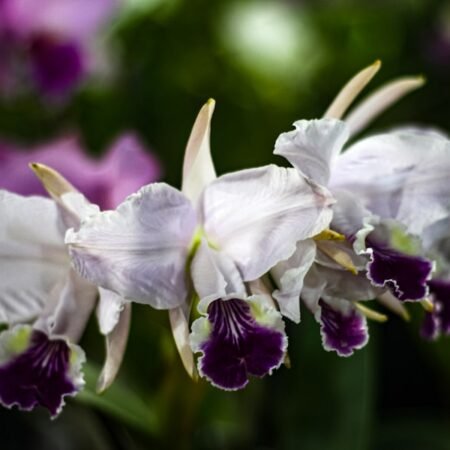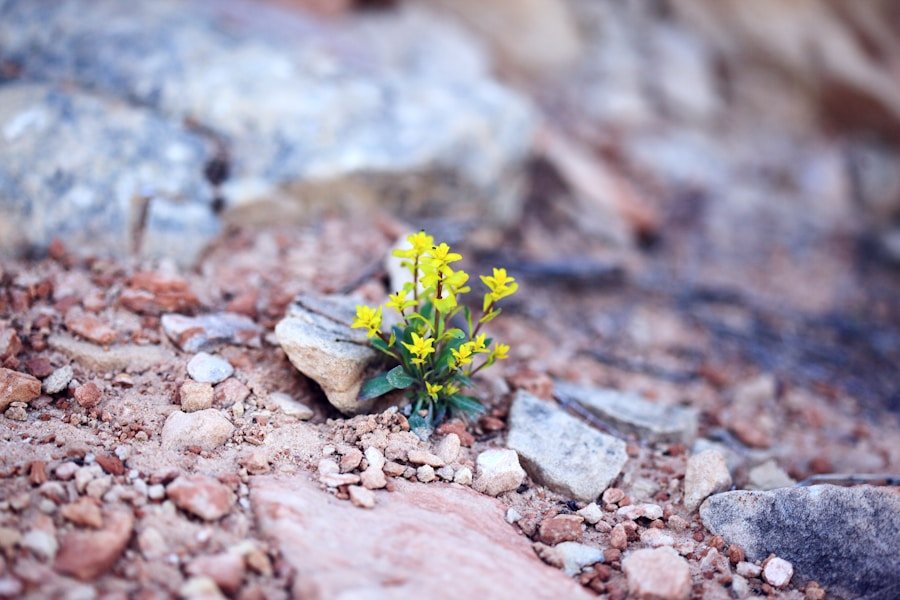

The heather flower, also known as Calluna vulgaris, is a small, evergreen shrub that is native to Europe and Asia. It is a member of the Ericaceae family, which also includes plants like blueberries and cranberries. The heather flower is known for its delicate, bell-shaped blooms that come in shades of pink, purple, and white. It typically blooms in late summer and early fall, adding a pop of color to the landscape during the cooler months.
The heather flower has been cultivated for centuries and is a popular choice for gardeners looking to add a touch of color to their landscapes. It is also commonly used in floral arrangements and bouquets, thanks to its long-lasting blooms and unique texture. In addition to its aesthetic appeal, the heather flower is also valued for its ability to attract pollinators like bees and butterflies, making it an important plant for supporting local ecosystems.
Historical and Cultural Significance of the Heather Flower
The heather flower has a rich history and holds significant cultural importance in many European countries. In Scotland, for example, the heather flower has long been associated with good luck and protection. It was often used in traditional Highland wedding bouquets and was believed to bring blessings to the newlyweds. In addition, heather was used to make brooms, which were thought to ward off evil spirits.
In Ireland, the heather flower was also highly regarded and was often used in religious ceremonies and rituals. It was believed to have healing properties and was used in traditional medicine to treat a variety of ailments. The ancient Celts also believed that heather had protective qualities and would often use it to line the floors of their homes to ward off negative energy.
Symbolism of the Heather Flower in Different Cultures
The heather flower holds different symbolic meanings in various cultures around the world. In addition to its associations with luck and protection in Scotland and Ireland, the heather flower has also been linked to admiration and good fortune in other parts of Europe. In some cultures, the heather flower is seen as a symbol of independence and self-reliance, thanks to its ability to thrive in harsh, rocky environments.
In Norse mythology, the heather flower was associated with the goddess Freyja, who was often depicted wearing a necklace made of heather. Freyja was a powerful figure associated with love, fertility, and beauty, and the heather flower was seen as a representation of her divine qualities. In some traditions, the heather flower is also linked to solitude and contemplation, as it is often found growing in remote, wild landscapes.
Heather Flower in Literature and Folklore
The heather flower has been a popular subject in literature and folklore for centuries. In the works of famous poets like Robert Burns and Emily Bronte, the heather flower is often used as a symbol of beauty, resilience, and the natural world. In Burns’ poem “My Luve is Like a Red, Red Rose,” he compares his love to a “red, red rose” and a “wee bit heather.” This comparison highlights the enduring beauty and strength of the heather flower.
In folklore, the heather flower is often associated with enchantment and magic. In some stories, it is said that fairies would use heather to make their homes, leading to the belief that heather could bring good luck and protection. In addition, heather was often used in traditional medicine and was believed to have healing properties, further adding to its mystical reputation.
Heather Flower in Art and Design
The heather flower has long been a popular motif in art and design, thanks to its delicate beauty and vibrant colors. In traditional Scottish and Irish textiles, the heather flower is often featured in intricate patterns and designs, adding a touch of natural elegance to clothing and home decor. In addition, the heather flower has been a popular subject for artists throughout history, with its graceful form and striking colors making it a favorite among painters and illustrators.
In modern design, the heather flower continues to be a popular choice for adding a touch of natural beauty to various products. From stationery and home decor to clothing and accessories, the heather flower can be found adorning a wide range of items. Its timeless appeal and versatile aesthetic make it a popular choice for designers looking to incorporate elements of nature into their work.
Heather Flower in Modern Symbolism
In modern times, the heather flower continues to hold symbolic significance for many people around the world. Its associations with luck, protection, and resilience make it a popular choice for gifts and decorations. In addition, the heather flower is often used in floral arrangements for weddings and other special occasions, thanks to its romantic symbolism and long-lasting blooms.
The heather flower has also become a popular choice for tattoos, with its delicate blooms and vibrant colors making it a visually striking design. Many people choose to incorporate the heather flower into their tattoos as a symbol of strength, beauty, or personal significance. Its timeless appeal and rich cultural history make it a meaningful choice for those looking for a tattoo with deep symbolism.
The Timeless Symbolism of the Heather Flower
In conclusion, the heather flower holds a special place in the hearts of many people around the world. Its rich cultural history, diverse symbolism, and enduring beauty make it a beloved symbol in literature, folklore, art, and modern culture. Whether used as a token of good luck, a representation of natural beauty, or a reminder of resilience, the heather flower continues to captivate and inspire people of all ages. Its timeless appeal ensures that it will remain a cherished symbol for generations to come.