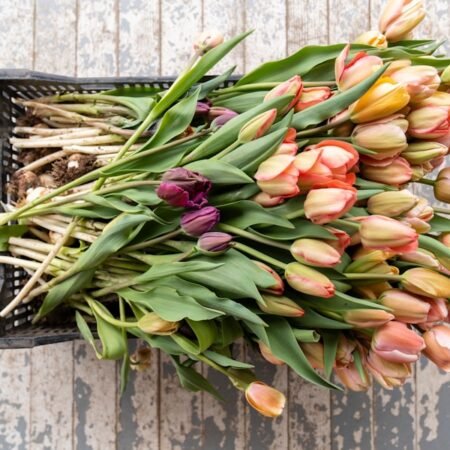
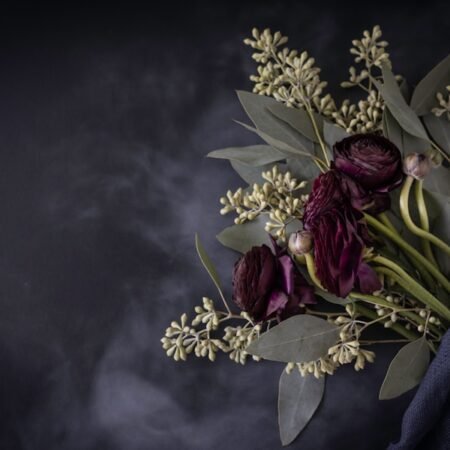
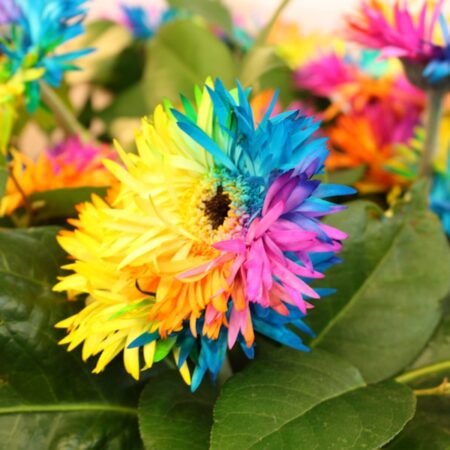
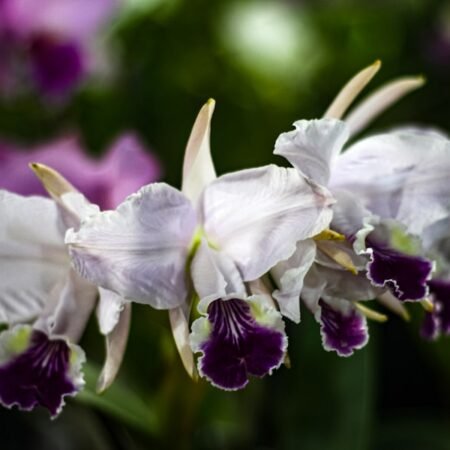
Flowers have long been a significant part of wedding customs and traditions, symbolizing love, beauty, and new beginnings. The use of flowers in weddings dates back to ancient times, where they were used to adorn the bride, groom, and the wedding venue. Floral symbolism in weddings has evolved over the years, with different cultures and regions attributing various meanings to different flowers. In modern times, floral symbolism continues to play a crucial role in wedding ceremonies, with couples carefully selecting flowers that hold personal significance and meaning. From the bridal bouquet to the floral arrangements at the ceremony and reception, flowers are an essential element of wedding decor, adding beauty and symbolism to the celebration of love.
The Meaning of Different Flowers in Wedding Traditions
Different flowers hold different meanings in wedding traditions, with each bloom symbolizing various emotions and sentiments. For example, roses are often associated with love and passion, making them a popular choice for wedding bouquets and arrangements. Meanwhile, lilies symbolize purity and innocence, making them a meaningful choice for weddings. Other popular wedding flowers include peonies, which represent prosperity and good fortune, and daisies, which symbolize innocence and purity. Each flower holds its own unique significance, allowing couples to incorporate their personal meanings into their wedding decor.
In addition to individual flower meanings, the colors of flowers also hold significance in wedding traditions. For example, white flowers are often associated with purity and innocence, making them a popular choice for bridal bouquets and wedding decor. Meanwhile, red flowers symbolize love and passion, making them a meaningful choice for romantic weddings. By carefully selecting flowers and colors that hold personal significance, couples can infuse their wedding with deeper meaning and symbolism.
Historical and Cultural Significance of Floral Symbolism in Weddings
The use of floral symbolism in weddings has a rich historical and cultural significance, dating back to ancient civilizations. In ancient Greece, brides carried bouquets of herbs and spices to ward off evil spirits and ensure fertility. In the Victorian era, flowers were used to convey secret messages, with each bloom holding a specific meaning. This tradition, known as “floriography,” allowed individuals to communicate their feelings through the language of flowers. In many cultures, specific flowers are used in wedding ceremonies to symbolize fertility, prosperity, and good fortune. For example, in Hindu weddings, marigolds are often used to decorate the venue as they are believed to bring good luck and prosperity to the couple.
The cultural significance of floral symbolism in weddings extends beyond individual flower meanings, with different cultures attributing unique symbolism to specific blooms. For example, in Chinese culture, peonies are often used in weddings as they symbolize prosperity and wealth. In Japanese culture, cherry blossoms are a popular choice for weddings as they represent the transient nature of life and the beauty of love. Understanding the historical and cultural significance of floral symbolism allows couples to incorporate meaningful traditions into their wedding ceremonies.
How Floral Symbolism Differs Across Different Cultures and Regions
Floral symbolism in weddings varies across different cultures and regions, with each culture attributing unique meanings to different flowers. In Western cultures, roses are a popular choice for weddings as they symbolize love and passion. Meanwhile, in Indian weddings, marigolds are often used to decorate the venue as they are believed to bring good luck and prosperity to the couple. In Hawaiian culture, leis made from native flowers are exchanged as a symbol of love and respect. Understanding the differences in floral symbolism across different cultures allows couples to incorporate meaningful traditions into their wedding ceremonies.
In addition to cultural differences, regional variations also play a significant role in floral symbolism in weddings. For example, in the southern United States, magnolias are often used in weddings as they symbolize beauty and perseverance. Meanwhile, in the Mediterranean region, olive branches are a popular choice for weddings as they symbolize peace and fertility. By understanding the regional variations in floral symbolism, couples can infuse their wedding ceremonies with unique traditions that hold personal significance.
Modern Trends in Floral Symbolism and Wedding Decor
In modern times, floral symbolism continues to play a crucial role in wedding decor, with couples embracing new trends and styles. One modern trend is the use of non-traditional flowers in wedding decor, such as succulents, proteas, and tropical blooms. These unique blooms add a contemporary touch to wedding decor while still holding symbolic meaning. Another modern trend is the use of floral installations, such as flower walls and hanging arrangements, to create a stunning backdrop for wedding ceremonies and receptions. These larger-than-life floral displays add drama and elegance to the wedding venue while incorporating meaningful floral symbolism.
Personalization is another modern trend in floral symbolism and wedding decor, with couples carefully selecting flowers that hold personal significance and meaning. For example, couples may choose flowers that hold sentimental value or represent their shared interests and experiences. By incorporating personalized floral symbolism into their wedding decor, couples can infuse their ceremony with deeper meaning and create a truly unique celebration of love.
Incorporating Personalized Floral Symbolism into Wedding Ceremonies
Couples can incorporate personalized floral symbolism into their wedding ceremonies in various ways, from selecting meaningful blooms for their bouquets to creating custom floral arrangements that hold personal significance. One way to personalize floral symbolism is by incorporating flowers that hold sentimental value or represent shared experiences. For example, couples may choose flowers that were present during significant moments in their relationship or that hold special meaning to both partners. By infusing their wedding decor with personalized floral symbolism, couples can create a ceremony that reflects their unique love story.
Another way to incorporate personalized floral symbolism is by creating custom floral arrangements that reflect the couple’s shared interests and passions. For example, couples who share a love for travel may incorporate exotic blooms from their favorite destinations into their wedding decor. Similarly, couples who have a shared hobby or interest may choose flowers that represent that passion. By infusing their wedding decor with personalized floral symbolism, couples can create a ceremony that is truly reflective of their relationship.
The Timeless Beauty and Meaning of Floral Symbolism in Weddings
Floral symbolism has long been a significant part of wedding customs and traditions, symbolizing love, beauty, and new beginnings. From individual flower meanings to cultural traditions and regional variations, floral symbolism adds depth and meaning to wedding ceremonies. In modern times, couples continue to embrace floral symbolism in their wedding decor, incorporating personalized touches that reflect their unique love story. By carefully selecting flowers that hold personal significance and meaning, couples can infuse their wedding ceremonies with deeper meaning and create a truly memorable celebration of love. The timeless beauty and meaning of floral symbolism in weddings will continue to be a cherished tradition for generations to come.