
Soil preparation is a crucial step in creating a healthy and productive garden. The quality of your soil directly impacts the growth and success of your plants. Proper soil preparation ensures that your plants have access to the nutrients, water, and air they need to thrive. It also helps to prevent issues such as compaction, erosion, and nutrient deficiencies. By taking the time to prepare your soil properly, you can set your garden up for success and enjoy a bountiful harvest.
One of the key reasons why soil preparation is so important is that it helps to create an optimal growing environment for your plants. Healthy soil is teeming with beneficial microorganisms, such as bacteria and fungi, that help to break down organic matter and release nutrients that are essential for plant growth. By preparing your soil, you can create a hospitable environment for these microorganisms, which in turn will help to support the health and vitality of your plants. Additionally, proper soil preparation can help to improve the structure of your soil, making it easier for plant roots to penetrate and access the water and nutrients they need. This can lead to stronger, healthier plants that are more resistant to pests and diseases.
Assessing Your Garden’s Soil Needs
Before you can begin to prepare your soil, it’s important to assess its current condition and identify any specific needs it may have. There are several factors to consider when assessing your garden’s soil, including its texture, drainage, nutrient levels, and pH. By understanding these factors, you can make informed decisions about how to best prepare your soil for planting.
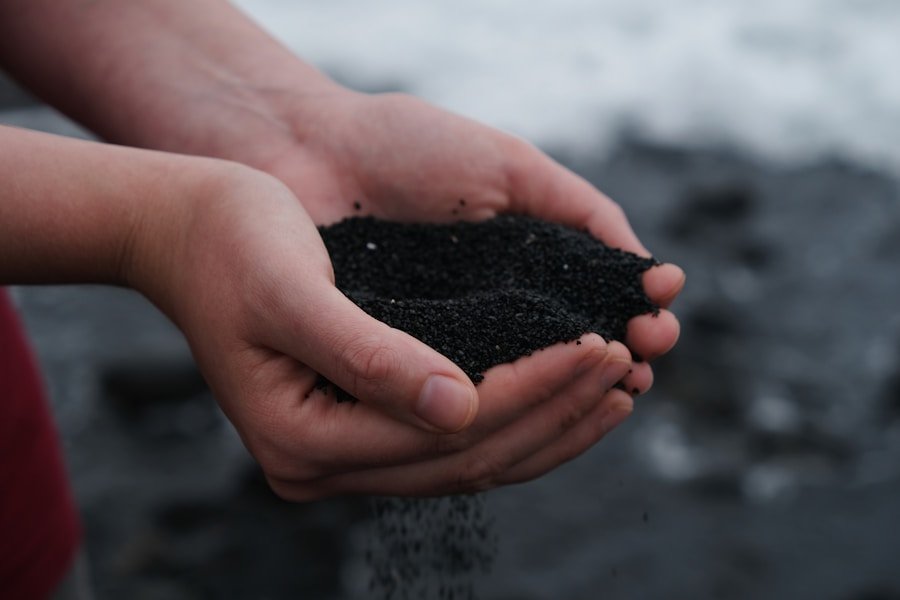
One of the first things to consider when assessing your garden’s soil is its texture. Soil texture refers to the relative proportions of sand, silt, and clay in the soil, and it has a significant impact on how well the soil drains and retains water. Sandy soils drain quickly but can struggle to retain nutrients, while clay soils hold onto water and nutrients but can become waterlogged and compacted. Loamy soils, which contain a balanced mixture of sand, silt, and clay, are generally considered ideal for gardening because they offer good drainage and water retention. By understanding the texture of your soil, you can make informed decisions about how to improve its structure and create a more hospitable environment for your plants.
In addition to texture, it’s important to assess the drainage of your soil. Poor drainage can lead to waterlogged conditions that suffocate plant roots and promote the growth of harmful pathogens. To assess your soil’s drainage, you can perform a simple percolation test by digging a hole, filling it with water, and observing how long it takes for the water to drain away. If your soil drains too quickly or too slowly, you may need to take steps to improve its drainage before planting. This could involve incorporating organic matter to improve the soil’s structure or creating raised beds to provide better drainage for your plants. By understanding your soil’s drainage needs, you can take proactive steps to create a healthier growing environment for your garden.
Implementing Cover Crops for Soil Health
Cover crops are an essential tool for maintaining healthy soil in your garden. These crops are planted primarily to manage soil erosion, fertility, quality, water, weeds, pests, diseases, biodiversity and wildlife in an agroecosystem—an ecological system managed and shaped by humans. They are typically grown during the off-season when the main crop is not growing and are then tilled back into the soil to add organic matter and nutrients. Cover crops offer a range of benefits for soil health and can help to improve the overall productivity of your garden.
One of the key benefits of cover crops is their ability to prevent soil erosion. When left bare, soil is vulnerable to erosion from wind and water, which can lead to the loss of valuable topsoil and nutrients. Cover crops help to protect the soil by providing a physical barrier that prevents erosion from occurring. Their root systems also help to hold the soil in place and improve its structure, making it less susceptible to erosion. By implementing cover crops in your garden, you can help to preserve the integrity of your soil and ensure that it remains healthy and productive for years to come.
In addition to preventing erosion, cover crops also play a crucial role in improving soil fertility and quality. Many cover crops are nitrogen-fixing plants that have the ability to take nitrogen from the air and convert it into a form that is available to other plants. This helps to enrich the soil with this essential nutrient, which is vital for plant growth. Cover crops also add organic matter to the soil as they decompose, which helps to improve its structure and provide a food source for beneficial microorganisms. By incorporating cover crops into your garden rotation, you can help to build and maintain healthy, nutrient-rich soil that supports the growth of strong and vigorous plants.
Incorporating Organic Matter for Nutrient-Rich Soil
Incorporating organic matter into your soil is one of the most effective ways to improve its fertility and structure. Organic matter includes materials such as compost, manure, leaf mold, and cover crops that have decomposed. These materials are rich in essential nutrients and beneficial microorganisms that help to support healthy plant growth. By adding organic matter to your soil, you can increase its ability to retain moisture, improve its structure, and provide a steady supply of nutrients for your plants.
One of the key benefits of incorporating organic matter into your soil is its ability to improve its fertility. Organic matter is rich in essential nutrients such as nitrogen, phosphorus, potassium, and micronutrients that are vital for plant growth. When added to the soil, organic matter releases these nutrients slowly over time, providing a steady supply that supports healthy plant growth. Additionally, organic matter helps to improve the cation exchange capacity (CEC) of the soil, which refers to its ability to hold onto and exchange nutrients with plant roots. This can help to prevent nutrient deficiencies and ensure that your plants have access to the nutrients they need for optimal growth.
In addition to improving fertility, organic matter also plays a crucial role in improving the structure of your soil. When added to the soil, organic matter helps to create a crumbly texture that improves its porosity and drainage. This allows air and water to move more freely through the soil, which is essential for healthy root growth. Organic matter also helps to bind soil particles together, creating aggregates that improve the overall structure of the soil. This can help to prevent compaction and erosion while providing a hospitable environment for beneficial microorganisms. By incorporating organic matter into your soil, you can create a nutrient-rich growing environment that supports healthy plant growth.
Adjusting pH Levels for Optimal Plant Growth
The pH level of your soil plays a crucial role in determining the availability of nutrients for your plants. pH is a measure of how acidic or alkaline the soil is on a scale from 0-14, with 7 being neutral. Most plants prefer a slightly acidic pH level between 6.0-7.0, although some plants have specific pH requirements outside of this range. If your soil’s pH is too high or too low, it can affect the availability of essential nutrients such as nitrogen, phosphorus, potassium, and micronutrients. By adjusting the pH level of your soil to meet the needs of your plants, you can ensure that they have access to the nutrients they need for optimal growth.
One of the key reasons why adjusting pH levels is important is that it affects the availability of essential nutrients in the soil. When the pH level is too high or too low, certain nutrients may become less available to plants even if they are present in the soil. For example, when the pH level is too low (acidic), essential nutrients such as phosphorus, calcium, magnesium, and molybdenum may become less available to plants. Conversely, when the pH level is too high (alkaline), essential nutrients such as iron, manganese, zinc, copper, and boron may become less available. By adjusting the pH level of your soil to meet the needs of your plants, you can ensure that they have access to these essential nutrients in forms that they can use.
In addition to affecting nutrient availability, pH levels also play a crucial role in determining the activity of beneficial microorganisms in the soil. Many beneficial microorganisms prefer slightly acidic conditions and may become less active or even die off when the pH level is too high or too low. By adjusting the pH level of your soil to meet their needs, you can create a hospitable environment for these microorganisms that help to break down organic matter and release nutrients for plant uptake. This can help to improve the overall health and vitality of your plants while promoting a balanced ecosystem in your garden.
Protecting Soil from Erosion and Compaction
Soil erosion and compaction are common issues that can have a significant impact on the health and productivity of your garden. Erosion occurs when wind or water removes topsoil from an area, while compaction occurs when pressure from heavy machinery or foot traffic squeezes air out of the soil particles. Both erosion and compaction can lead to poor drainage, reduced fertility, and decreased microbial activity in the soil. By taking proactive steps to protect your soil from erosion and compaction, you can create a healthier growing environment for your plants.
One effective way to protect your soil from erosion is by implementing physical barriers such as mulch or cover crops that help to hold the soil in place. Mulch acts as a protective layer that prevents raindrops from dislodging soil particles while allowing water to infiltrate into the ground. Cover crops provide a living barrier that helps to anchor the soil in place with their root systems while also adding organic matter as they decompose. By using these methods in your garden, you can help to prevent erosion from occurring and preserve the integrity of your topsoil.
In addition to preventing erosion, it’s important to take steps to protect your soil from compaction as well. Compacted soils have poor porosity and drainage, which can lead to waterlogged conditions that suffocate plant roots and promote disease. To prevent compaction from occurring in your garden, you can avoid working in wet conditions when the soil is more susceptible to compaction or use raised beds or containers that provide better drainage for your plants. You can also incorporate organic matter into your soil to improve its structure and reduce compaction over time. By taking proactive steps to protect your soil from erosion and compaction, you can create a healthier growing environment for your plants.
Utilizing Mulch to Insulate and Protect Soil for Winter
Mulch is an essential tool for insulating and protecting your garden’s soil during the winter months. Mulch acts as a protective layer that helps to regulate temperature fluctuations in the soil while also preventing erosion and suppressing weed growth. By utilizing mulch in your garden during the winter months, you can help to preserve the health and productivity of your soil while also providing a hospitable environment for beneficial microorganisms.
One of the key benefits of using mulch in winter is its ability to insulate the soil against temperature fluctuations. During the winter months, freezing temperatures can cause significant damage to plant roots by disrupting their ability to take up water and nutrients from the soil. Mulch helps to insulate the soil by providing a protective layer that reduces temperature fluctuations and prevents frost heaving from occurring. This helps to create a more stable environment for plant roots while also promoting microbial activity in the soil.
In addition to insulating the soil against temperature fluctuations, mulch also plays a crucial role in preventing erosion during winter storms. Heavy rain or snowfall can dislodge topsoil from an area if it’s left bare, leading to nutrient loss and reduced fertility over time. Mulch acts as a protective barrier that prevents erosion by absorbing rainwater or snowmelt while allowing it to infiltrate into the ground slowly. This helps to preserve the integrity of your topsoil while also providing a habitat for beneficial microorganisms that help to break down organic matter and release nutrients for plant uptake.
In conclusion, proper soil preparation is essential for creating a healthy and productive garden. By assessing your garden’s specific needs and implementing strategies such as cover crops, organic matter incorporation, pH adjustment, erosion protection, and mulching, you can create an optimal growing environment for your plants while preserving the long-term health of your soil. Taking proactive steps now will pay off in spades with bountiful harvests year after year.
In addition, proper soil preparation can also help reduce the need for chemical fertilizers and pesticides, leading to a more sustainable and environmentally friendly garden. By nurturing the soil and promoting its natural fertility, you can create a balanced ecosystem that supports a diverse range of beneficial organisms, from earthworms to beneficial bacteria. Ultimately, investing time and effort into soil preparation will not only benefit your garden but also contribute to the overall health of the environment.