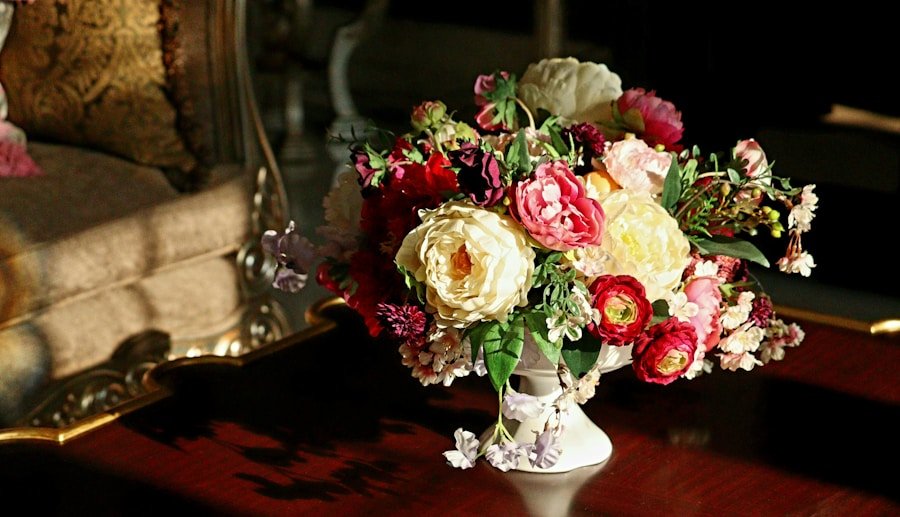

Flowers have held a significant place in ancient rituals and ceremonies across various cultures. In ancient Egypt, flowers were used in funerary rituals to symbolize the cycle of life and death. The lotus flower, in particular, was highly revered and symbolized rebirth and resurrection. In ancient Greece, flowers were used in religious ceremonies to honor the gods and goddesses. The use of flowers in these rituals was a way to connect with the divine and express reverence and gratitude. In ancient China, flowers were used in traditional medicine and were believed to have healing properties. The symbolism of flowers in ancient rituals reflects the deep connection between humans and nature, as well as the universal significance of flowers in expressing emotions and spirituality.
In addition to their use in religious and spiritual rituals, flowers were also used in ancient cultures to convey messages and emotions. In the Victorian era, for example, the language of flowers, also known as floriography, was popularized as a way to communicate sentiments that could not be openly expressed. Each flower had a specific meaning, and people would use different combinations of flowers to convey their feelings. This tradition highlights the enduring symbolism of flowers as a means of emotional expression and communication.
The Evolution of Floral Symbolism in Different Cultures
The symbolism of flowers has evolved over time and varies across different cultures. In Japan, for example, the cherry blossom holds great significance and is celebrated during the annual Hanami festival. The cherry blossom represents the transient nature of life and the beauty of impermanence. In Hindu culture, the lotus flower is a symbol of purity and enlightenment, and is often associated with deities such as Lakshmi and Saraswati. In Native American traditions, the use of flowers in rituals and ceremonies is a way to connect with the natural world and honor the spirits of the earth.
In Western culture, the symbolism of flowers has also evolved over time. The red rose, for example, has long been associated with love and passion, while the white lily symbolizes purity and innocence. The meanings attributed to different flowers have been shaped by historical events, literature, and art, and continue to evolve as new cultural influences emerge. The diverse symbolism of flowers across different cultures reflects the universal appeal of flowers as a means of expressing emotions and connecting with the natural world.
The Psychological Impact of Receiving and Giving Flowers
The act of giving and receiving flowers has a profound psychological impact on both the sender and recipient. Studies have shown that receiving flowers can elicit positive emotions such as happiness, gratitude, and appreciation. The presence of flowers in a space can also have a calming effect on individuals and contribute to a sense of well-being. The act of giving flowers is also associated with feelings of generosity and thoughtfulness, which can strengthen social bonds and enhance interpersonal relationships.
Furthermore, the act of giving and receiving flowers has been found to have a positive impact on mental health. Research has shown that individuals who receive flowers experience an immediate improvement in mood and a reduction in stress levels. The act of giving flowers can also boost the giver’s mood and create a sense of connection with others. The psychological impact of giving and receiving flowers highlights the powerful role that flowers play in promoting emotional well-being and fostering positive relationships.
The Role of Flowers in Expressing Love and Affection
Flowers have long been associated with expressions of love and affection. The giving of flowers as a romantic gesture dates back to ancient times, when lovers would exchange flowers as a symbol of their affection. In modern times, the tradition of giving flowers as a romantic gesture continues to be popular, particularly on special occasions such as Valentine’s Day and anniversaries. The red rose, in particular, has become synonymous with romantic love and is often used to convey passionate feelings.
In addition to romantic love, flowers are also used to express love and affection in familial relationships. Giving flowers to a family member or friend can be a meaningful way to show appreciation and care. The act of giving flowers as a gesture of love and affection transcends cultural boundaries and is universally recognized as a heartfelt expression of emotion.
The Therapeutic Benefits of Flower Arrangements and Gardens
The presence of flowers has been found to have therapeutic benefits for individuals. Flower arrangements and gardens have been used as a form of horticultural therapy to promote healing and well-being. Studies have shown that exposure to flowers can reduce stress levels, lower blood pressure, and improve overall mood. The act of arranging flowers can also be a meditative practice that promotes mindfulness and relaxation.
In healthcare settings, flower arrangements are often used to create a calming environment for patients and promote a sense of comfort. Hospitals and care facilities often incorporate floral displays into their design to create a welcoming atmosphere for patients and visitors. In addition, community gardens and green spaces have been found to have a positive impact on mental health and social well-being. The therapeutic benefits of flower arrangements and gardens highlight the important role that flowers play in promoting emotional and physical health.
The Influence of Flowers in Art, Literature, and Poetry
Flowers have long been a source of inspiration for artists, writers, and poets. Throughout history, flowers have been depicted in art as symbols of beauty, fragility, and transience. In literature and poetry, flowers are often used as metaphors for emotions, experiences, and the passage of time. The symbolism of flowers has been woven into countless works of art and literature, reflecting their enduring significance as a source of inspiration.
In addition to their symbolic meaning, flowers have also been celebrated for their aesthetic beauty in art and literature. Artists such as Vincent van Gogh and Georgia O’Keeffe have famously depicted flowers in their paintings, capturing their vibrant colors and delicate forms. Poets such as William Wordsworth and Emily Dickinson have written about the beauty and symbolism of flowers in their verses, using them as a means to convey complex emotions and experiences. The influence of flowers in art, literature, and poetry underscores their timeless appeal as a source of creative inspiration.
Modern Trends in Using Flowers for Emotional Expression
In modern times, the use of flowers for emotional expression continues to evolve with new trends and practices. Online flower delivery services have made it easier than ever to send flowers to loved ones across long distances. Social media platforms have also popularized the sharing of flower arrangements as a way to express gratitude, celebrate special occasions, or simply brighten someone’s day.
Furthermore, there has been a growing interest in sustainable floral practices that prioritize eco-friendly sourcing and ethical production methods. Many florists now offer locally grown and seasonal flower arrangements as a way to reduce environmental impact and support local growers. Additionally, there has been an increased focus on using flowers as a means of self-care, with practices such as flower arranging workshops and floral meditation becoming popular.
In conclusion, the symbolism of flowers has played a significant role in ancient rituals, cultural traditions, emotional expression, art, literature, and modern trends. Flowers continue to hold universal appeal as a means of connecting with nature, expressing emotions, promoting well-being, inspiring creativity, and fostering meaningful connections between individuals. Whether used in religious ceremonies or given as a romantic gesture, the enduring significance of flowers reflects their timeless appeal as a source of beauty, symbolism, and emotional resonance across diverse cultures and contexts.