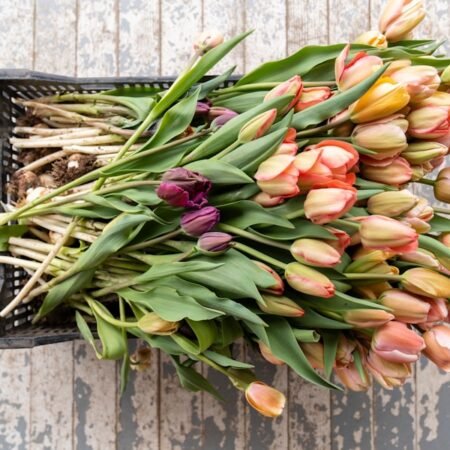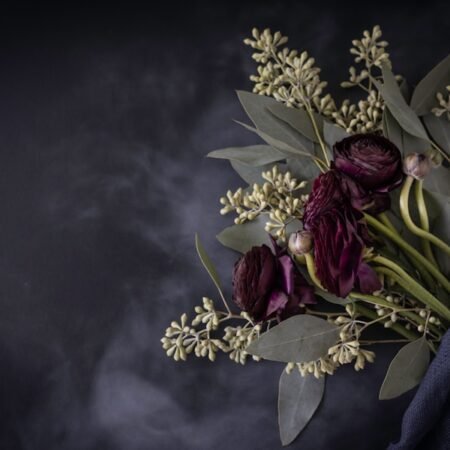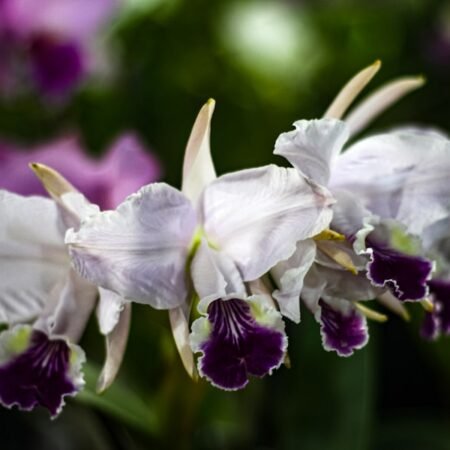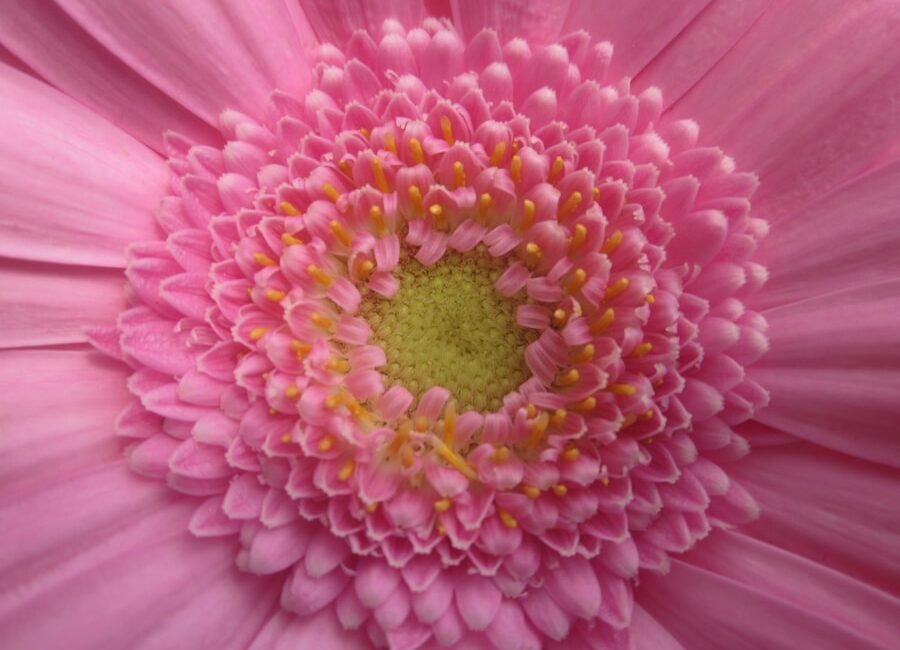

Flowers have been used for centuries to convey messages and emotions. Each type of flower holds its own unique meaning, making them a powerful tool for communication. For example, roses are often associated with love and passion, while lilies symbolize purity and innocence. Understanding the meanings behind different flowers can help you choose the perfect blooms for any occasion. Whether you’re celebrating a joyful event or offering condolences, selecting the right flowers can convey your sentiments in a meaningful way.
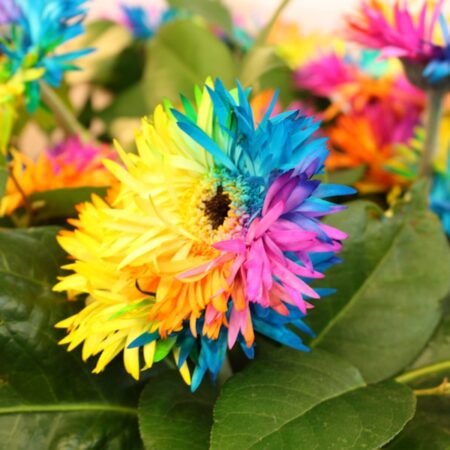
In addition to their individual meanings, flowers can also convey emotions through their colors. For example, red flowers are often associated with love and passion, while yellow flowers symbolize friendship and happiness. By understanding the meanings behind different flower colors, you can create beautiful and meaningful arrangements that convey your emotions and intentions. Whether you’re expressing love, gratitude, or sympathy, the language of flowers can help you communicate your feelings in a thoughtful and heartfelt way.
Exploring the Psychology of Colors
The psychology of colors explores how different hues can impact our emotions, moods, and behaviors. Each color has its own unique psychological properties, and understanding these can help you create environments that support your wellbeing. For example, blue is often associated with calmness and tranquility, making it a great choice for bedrooms and relaxation spaces. On the other hand, red is known for its energizing and stimulating effects, making it a good choice for areas where you want to promote activity and excitement.
In addition to their individual psychological properties, colors can also interact with each other to create different emotional responses. For example, combining blue and green can create a sense of harmony and balance, while pairing red and yellow can create a feeling of warmth and energy. By understanding how different colors work together, you can create environments that support your emotional wellbeing and enhance your overall quality of life.
Choosing the Right Flowers for Your Wellbeing
When it comes to choosing flowers for your wellbeing, it’s important to consider both their meanings and their colors. For example, if you’re looking to create a sense of calm and relaxation in your home, you might choose flowers with soothing colors like blue or lavender. On the other hand, if you’re seeking to promote energy and vitality, you might opt for vibrant red or orange blooms. By selecting flowers that align with your emotional needs, you can create a supportive environment that enhances your overall wellbeing.
In addition to their psychological properties, certain flowers are also believed to have specific healing properties. For example, lavender is often used to promote relaxation and reduce stress, while chamomile is known for its calming and soothing effects. By incorporating these healing flowers into your home, you can create a personalized wellbeing routine that supports your emotional and physical health.
Incorporating Color Psychology into Your Home Decor
Color psychology can be a powerful tool for creating a home environment that supports your emotional wellbeing. By understanding the psychological properties of different colors, you can use them to create spaces that promote relaxation, energy, creativity, or whatever emotional state you desire. For example, if you want to create a calming atmosphere in your bedroom, you might choose soft blues and greens to promote tranquility and restful sleep. On the other hand, if you want to create an energizing workspace, you might opt for vibrant reds and oranges to promote focus and productivity.
In addition to choosing the right colors for each room, you can also use color psychology to create visual interest and balance in your home decor. By understanding how different colors interact with each other, you can create harmonious color schemes that promote a sense of balance and wellbeing. Whether you’re choosing paint colors, furniture, or accessories, incorporating color psychology into your home decor can help you create spaces that support your emotional health and enhance your overall quality of life.
Using Flower Meanings to Enhance Your Relationships
Flowers have long been used as a way to express love, gratitude, and affection in relationships. By understanding the meanings behind different flowers, you can choose blooms that convey your emotions in a meaningful way. For example, if you want to express love and passion to your partner, you might choose red roses, which are often associated with romance and desire. On the other hand, if you want to show appreciation to a friend or family member, you might opt for yellow roses or daisies, which symbolize friendship and happiness.
In addition to their individual meanings, flowers can also be used to create shared experiences and memories in relationships. Whether you’re celebrating a special occasion or simply expressing your love and appreciation, giving flowers can create moments of joy and connection that strengthen your relationships. By incorporating flower meanings into your gift-giving and expressions of affection, you can enhance your relationships in a meaningful and heartfelt way.
Creating a Personalized Wellbeing Routine with Flowers and Colors
Creating a personalized wellbeing routine with flowers and colors can help support your emotional health and enhance your overall quality of life. By incorporating flowers with specific meanings and colors that align with your emotional needs, you can create a supportive environment that promotes relaxation, energy, creativity, or whatever emotional state you desire. For example, if you’re looking to reduce stress and promote relaxation, you might incorporate calming blue flowers into your home decor and self-care routines. On the other hand, if you’re seeking to boost energy and vitality, you might surround yourself with vibrant red or orange blooms that promote activity and excitement.
In addition to incorporating flowers and colors into your home environment, you can also create personalized rituals and practices that support your emotional wellbeing. For example, you might start each day by surrounding yourself with flowers that promote positivity and optimism, or end each day with a relaxing bath surrounded by soothing blooms. By creating personalized wellbeing routines that incorporate flowers and colors, you can enhance your emotional health and create a sense of balance and harmony in your life.
Tips for Maintaining Your Wellbeing with Flower Meanings and Color Psychology
Maintaining your wellbeing with flower meanings and color psychology involves creating supportive environments that promote emotional health and balance. To do this, it’s important to regularly assess your home decor and personal routines to ensure they align with your emotional needs. This might involve periodically updating your flower arrangements to reflect changes in your emotional state or incorporating new colors into your home decor to support different aspects of your wellbeing.
In addition to maintaining your home environment, it’s also important to regularly engage in practices that support your emotional health. This might involve creating daily rituals that incorporate flowers and colors into your self-care routines or seeking out experiences that promote joy and connection through the language of flowers. By regularly assessing and maintaining your home environment and personal practices, you can ensure that they continue to support your emotional wellbeing and enhance your overall quality of life.
In conclusion, understanding flower meanings and color psychology can be a powerful tool for enhancing your emotional wellbeing and creating supportive environments that promote balance and harmony in your life. By incorporating flowers with specific meanings and colors that align with your emotional needs into your home decor and personal routines, you can create spaces that support relaxation, energy, creativity, or whatever emotional state you desire. Whether you’re looking to enhance your relationships or maintain your personal wellbeing, the language of flowers and color psychology can help you communicate your emotions in a meaningful way and create environments that support your emotional health. By regularly assessing and maintaining your home environment and personal practices, you can ensure that they continue to support your emotional wellbeing and enhance your overall quality of life.