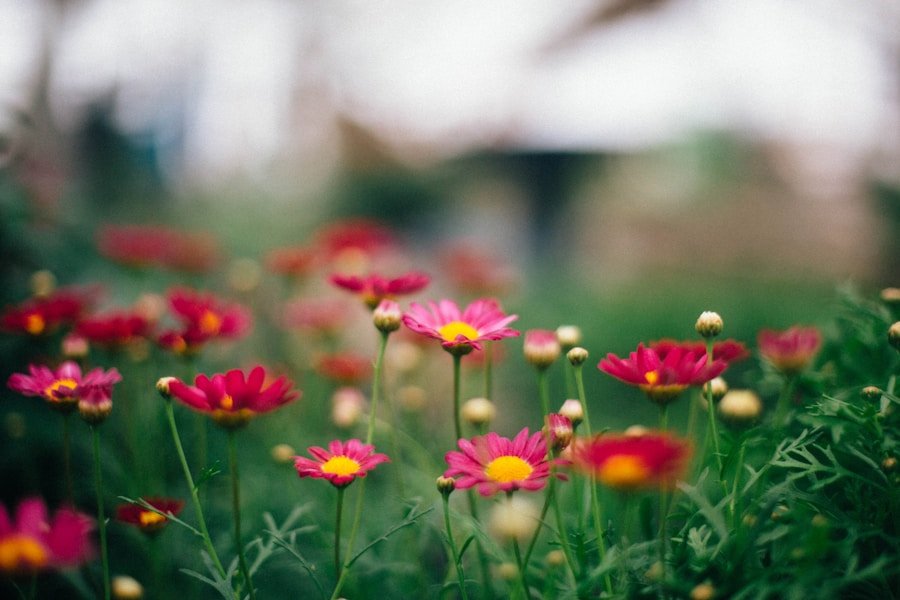

Flower markets have a long and rich history that dates back to ancient times. The first recorded flower market was in Athens, Greece, in the 4th century BThese markets were a place for people to buy and sell flowers for various purposes, including religious ceremonies, decorations, and medicinal uses. The tradition of flower markets spread throughout Europe and Asia, with cities like Amsterdam, Paris, and London becoming famous for their vibrant and bustling flower markets.
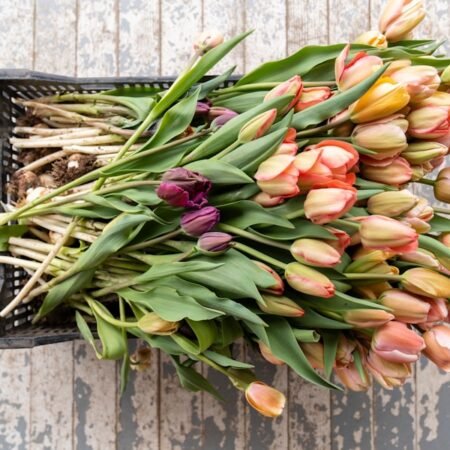
In the 17th century, the Dutch Golden Age saw the rise of the famous flower markets in the Netherlands, particularly in cities like Amsterdam and Haarlem. The Dutch were known for their expertise in cultivating and trading flowers, particularly tulips, which became a symbol of wealth and prosperity. This period also saw the emergence of the tulip mania, a speculative frenzy in which tulip bulbs were traded at exorbitant prices, leading to a market crash in 1637. Despite this, the Dutch flower markets continued to thrive and became an integral part of the country’s cultural heritage.
In the 19th century, the Industrial Revolution brought about significant changes in the flower market industry. Advances in transportation and refrigeration allowed for the mass production and distribution of flowers, leading to the establishment of flower markets in major cities around the world. Today, flower markets continue to be a vital part of many cultures, offering a wide variety of flowers and plants for both commercial and personal use.
Best Flower Markets to Visit in Spring
Spring is a time of renewal and rejuvenation, and what better way to celebrate the season than by visiting some of the best flower markets in the world? One of the most famous spring flower markets is the Keukenhof Gardens in Lisse, Netherlands. Known as the “Garden of Europe,” Keukenhof is home to over seven million tulips, daffodils, and hyacinths, making it a must-visit destination for flower enthusiasts. The vibrant colors and fragrant blooms create a stunning display that attracts visitors from around the globe.
Another top spring flower market is the Columbia Road Flower Market in London, England. Every Sunday, this bustling market comes alive with an array of flowers, plants, and gardening accessories. The market’s charming atmosphere and diverse selection make it a favorite among locals and tourists alike. Visitors can stroll through the narrow streets lined with colorful stalls and soak in the sights and scents of springtime blooms.
In Japan, the Ashikaga Flower Park is renowned for its breathtaking displays of wisteria flowers. The park features over 350 wisteria trees that bloom in various shades of purple, pink, and white, creating a magical and enchanting experience for visitors. The park’s illuminated wisteria tunnels are particularly stunning at night, making it a popular destination for springtime flower enthusiasts.
Top Flower Markets for Summer Blooms
As summer approaches, flower markets around the world come alive with an abundance of vibrant blooms and fragrant blossoms. One of the top summer flower markets is the Rialto Market in Venice, Italy. This historic market has been a hub for fresh produce and flowers for centuries, offering a wide variety of seasonal blooms such as sunflowers, roses, and lilies. Visitors can wander through the market’s narrow alleys and canals while admiring the colorful displays of summer flowers.
In Paris, France, the Marché aux Fleurs et aux Oiseaux on Île de la Cité is a charming summer flower market that has been in operation since 1808. The market is known for its beautiful selection of potted plants, cut flowers, and exotic blooms from around the world. Visitors can explore the market’s quaint stalls and take in the sights and scents of summer while enjoying the picturesque surroundings of the Seine River.
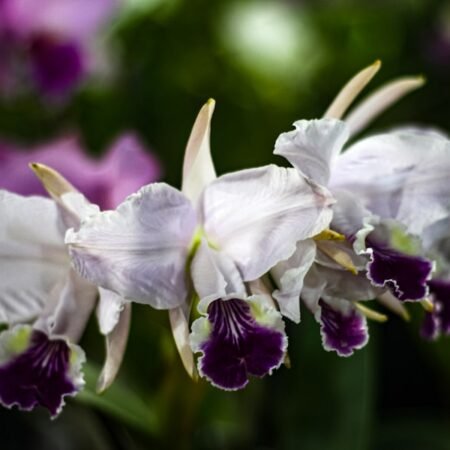
For those seeking a more exotic summer flower market experience, the Chatuchak Weekend Market in Bangkok, Thailand, is a must-visit destination. This sprawling market is home to a vast array of tropical flowers and plants, including orchids, lotus flowers, and jasmine. The market’s lively atmosphere and diverse selection make it a popular destination for locals and tourists alike.
Fall Favorites: Flower Markets to Visit in Autumn
As the leaves begin to change and the air turns crisp, autumn brings a new array of colors and textures to flower markets around the world. One of the top fall flower markets is the Union Square Greenmarket in New York City. This bustling market features an abundance of seasonal blooms such as mums, sunflowers, and dahlias, as well as a wide variety of pumpkins and gourds. Visitors can browse through the market’s vibrant displays while enjoying live music and culinary demonstrations.
In Japan, the Kiku Matsuri (Chrysanthemum Festival) at Meiji Shrine in Tokyo is a spectacular autumn flower market that showcases thousands of meticulously cultivated chrysanthemum blooms. The festival dates back to ancient times when chrysanthemums were revered as symbols of longevity and good luck. Today, visitors can marvel at the intricate displays of chrysanthemum arrangements while taking part in traditional Japanese cultural activities.
In London, England, the Columbia Road Flower Market continues to be a popular destination for fall blooms. The market’s charming atmosphere and diverse selection make it a favorite among locals and tourists alike. Visitors can stroll through the narrow streets lined with colorful stalls and soak in the sights and scents of autumnal flowers.
Winter Wonderland: Flower Markets to Explore in the Winter
While winter may not be traditionally associated with blooming flowers, there are still plenty of flower markets around the world that offer a delightful array of seasonal blooms during the colder months. One such market is the Christmas Flower Market at Grote Markt in Bruges, Belgium. This enchanting market features an abundance of festive floral arrangements, including poinsettias, holly branches, and mistletoe. Visitors can wander through the market’s charming cobblestone streets while admiring the colorful displays of winter flowers.
In Germany, the Dresden Striezelmarkt is one of Europe’s oldest Christmas markets and is renowned for its stunning floral decorations. The market’s festive atmosphere comes alive with an array of winter blooms such as amaryllis, Christmas cacti, and winter roses. Visitors can explore the market’s traditional wooden stalls while enjoying live music and seasonal treats.
For those seeking a more exotic winter flower market experience, the Pak Khlong Talat Flower Market in Bangkok, Thailand, is a must-visit destination. This bustling market is open 24 hours a day and offers an abundance of tropical flowers such as orchids, lilies, and jasmine. Visitors can immerse themselves in the vibrant sights and scents of winter blooms while experiencing the lively atmosphere of this iconic market.
Tips for Navigating Flower Markets
Navigating a bustling flower market can be an overwhelming but rewarding experience. Here are some tips to help you make the most of your visit:
1. Arrive early: Many flower markets are at their busiest in the morning when vendors are setting up their stalls and fresh blooms are abundant. Arriving early will give you first pick of the best flowers and allow you to avoid crowds.
2. Bring cash: While some flower markets may accept credit cards or mobile payments, it’s always best to have cash on hand for small purchases or from vendors who only accept cash.
3. Dress comfortably: Flower markets can be crowded and chaotic, so it’s important to wear comfortable shoes and clothing that you don’t mind getting a little dirty.
4. Ask questions: Don’t be afraid to ask vendors about their flowers or plants – they are often happy to share their knowledge and expertise.
5. Take your time: Flower markets are meant to be enjoyed at a leisurely pace. Take your time to stroll through the stalls, admire the blooms, and soak in the vibrant atmosphere.
The Cultural Significance of Flower Markets
Flower markets hold significant cultural importance in many societies around the world. In addition to being places where people can buy and sell flowers for various purposes, they also serve as social hubs where communities come together to celebrate nature’s beauty.
In many cultures, flowers hold symbolic meanings that are deeply rooted in tradition and folklore. For example, in Japan, cherry blossoms are revered as symbols of renewal and beauty, while in India, marigolds are used in religious ceremonies as offerings to deities. Flower markets play a crucial role in preserving these cultural traditions by providing access to a wide variety of flowers that hold special significance for different communities.
Furthermore, flower markets contribute to local economies by providing opportunities for small-scale farmers and artisans to sell their products directly to consumers. This direct trade not only supports local businesses but also fosters a sense of community pride and connection.
In conclusion, flower markets have a rich history that spans across centuries and continents. From ancient Athens to modern-day Bangkok, these vibrant hubs continue to play an integral role in cultural traditions and economic livelihoods. Whether you’re seeking spring tulips in Amsterdam or winter roses in Bangkok, there’s no shortage of beauty to be found at these iconic markets. So next time you’re traveling abroad or exploring your own city, be sure to visit a local flower market – you never know what treasures you might find!