
Purple has long been associated with royalty and nobility, and this association extends to the world of flowers as well. In ancient times, purple flowers were considered to be a symbol of wealth and power, and were often reserved for the use of royalty and the aristocracy. The color purple was historically difficult and expensive to produce, as it was often derived from rare and exotic sources such as the murex shellfish, making it a status symbol for those who could afford it. As a result, purple flowers became a popular choice for royal gardens and were often used in elaborate floral arrangements for important events and ceremonies. The use of purple flowers in royal settings has continued throughout history, with monarchs and other members of the nobility often choosing purple blooms to adorn their palaces and gardens.
In addition to their use in royal gardens, purple flowers have also been featured prominently in royal heraldry and regalia. The color purple has long been associated with majesty and power, and as a result, it has been used in the coats of arms and emblems of many royal families throughout history. Purple flowers have also been used in the design of royal jewelry and clothing, further cementing their association with royalty and luxury. Overall, the history of purple flowers in royalty is a rich and storied one, with these blooms playing a significant role in the visual language of power and prestige.
The Symbolism of Purple Flowers in Different Cultures
The symbolism of purple flowers varies widely across different cultures and traditions. In many Western cultures, purple is often associated with royalty, luxury, and wealth, and as a result, purple flowers are often used to convey a sense of opulence and grandeur. In ancient Rome, for example, purple flowers were often used in religious ceremonies and were considered to be a symbol of divine favor. In Christian tradition, purple is also associated with spirituality and penitence, and purple flowers are often used in religious ceremonies such as Easter and Lent.
In Eastern cultures, the symbolism of purple flowers can be quite different. In China, for example, purple is often associated with harmony and spiritual fulfillment, and purple flowers are often used to convey a sense of peace and tranquility. In Japan, purple flowers are often associated with the concept of impermanence and are often used in traditional tea ceremonies to symbolize the fleeting nature of life. Overall, the symbolism of purple flowers is complex and multifaceted, with different cultures interpreting the color in their own unique ways.
The Role of Purple Flowers in Luxury and High Society
Purple flowers have long been associated with luxury and high society, and as a result, they have played a significant role in the world of fashion and design. In the world of haute couture, for example, purple flowers are often used to create elaborate and opulent floral arrangements that are designed to convey a sense of wealth and sophistication. Purple flowers are also a popular choice for high-end events such as weddings and galas, where they are used to create lavish floral displays that are designed to impress and awe.
In addition to their use in fashion and events, purple flowers have also played a significant role in the world of interior design. In luxury homes and estates, purple flowers are often used to create elegant and sophisticated floral arrangements that are designed to enhance the beauty of the space. Purple flowers are also a popular choice for high-end hotels and restaurants, where they are used to create a sense of luxury and refinement. Overall, the role of purple flowers in luxury and high society is a significant one, with these blooms being used to create a sense of opulence and grandeur in a variety of settings.
The Most Popular Varieties of Purple Flowers
There are many different varieties of purple flowers, each with its own unique beauty and charm. One of the most popular varieties of purple flowers is the lavender plant, which is known for its fragrant blooms and soothing scent. Lavender is often used in aromatherapy and is also a popular choice for use in herbal teas and bath products. Another popular variety of purple flower is the iris, which is known for its striking blooms and elegant appearance. Irises are often used in floral arrangements and are also a popular choice for use in landscaping.
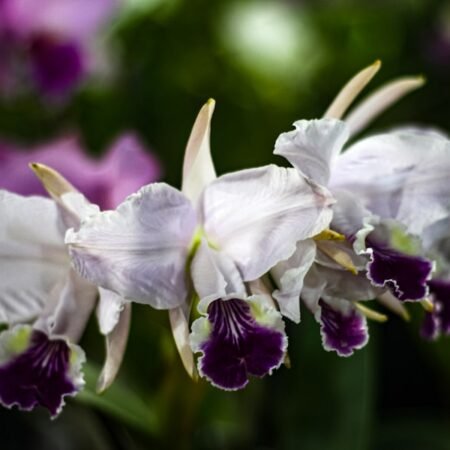
Other popular varieties of purple flowers include violets, lilacs, and orchids, all of which are known for their delicate beauty and unique fragrance. Violets are often used in perfumes and cosmetics, while lilacs are a popular choice for use in bridal bouquets and wedding arrangements. Orchids are known for their exotic beauty and are often used in high-end floral arrangements for special events. Overall, there are many different varieties of purple flowers to choose from, each with its own unique characteristics and appeal.
Purple Flowers in Art and Literature
Purple flowers have long been a popular subject in art and literature, where they are often used to convey a sense of beauty, mystery, and romance. In art, purple flowers have been depicted in countless paintings and sculptures, where they are often used to create a sense of elegance and sophistication. In literature, purple flowers are often used as symbols to convey deeper meanings and emotions. For example, in Shakespeare’s plays, purple flowers are often used to symbolize love, passion, and desire.
In addition to their use as symbols in art and literature, purple flowers have also been the subject of many famous works of art. One of the most famous examples is Vincent van Gogh’s “Irises,” which is a stunning depiction of the vibrant purple blooms. This painting is considered to be one of van Gogh’s masterpieces and is widely regarded as one of the most iconic representations of purple flowers in art history. Overall, purple flowers have played a significant role in the world of art and literature, where they have been used to convey a wide range of emotions and meanings.
Using Purple Flowers in Home Decor and Events
Purple flowers are a popular choice for use in home decor and events, where they are often used to create a sense of elegance and sophistication. In home decor, purple flowers are often used to create stunning floral arrangements that can enhance the beauty of any space. Whether used in a vase on a dining table or as part of a larger floral display, purple flowers can add a touch of luxury and refinement to any room. Purple flowers are also a popular choice for use in events such as weddings, parties, and galas, where they are often used to create elaborate floral displays that can impress and awe guests.
In addition to their use in home decor and events, purple flowers are also a popular choice for use in landscaping. Whether used as part of a larger garden design or as standalone plants, purple flowers can add a pop of color and beauty to any outdoor space. From lavender bushes to iris beds, there are many different ways to incorporate purple flowers into your landscaping design. Overall, purple flowers are a versatile choice for use in home decor and events, where they can add a touch of elegance and beauty to any setting.
The Language of Purple Flowers: Sending Messages with Bouquets
In addition to their beauty and fragrance, purple flowers also have their own unique language that can be used to convey different messages through bouquets. In the Victorian era, for example, different types of flowers were assigned specific meanings that could be used to send secret messages through floral arrangements. Purple flowers were often used to convey messages of admiration, enchantment, or even love at first sight. Today, this tradition continues with many people using the language of flowers to send messages through bouquets.
For example, giving someone a bouquet of lavender can convey a message of devotion or love at first sight, while giving someone a bouquet of violets can convey a message of faithfulness or loyalty. Irises are often used to convey messages of wisdom or hope, while lilacs can be used to convey messages of youthful innocence or first love. Orchids are often used to convey messages of luxury or refinement. Overall, the language of purple flowers is rich and varied, with each type of bloom carrying its own unique message that can be used to convey different emotions or sentiments.
In conclusion, purple flowers have played a significant role throughout history as symbols of royalty, luxury, and beauty. From their use in royal gardens to their depiction in art and literature, these blooms have captivated people’s imaginations for centuries. Whether used in home decor or events or as part of a larger landscaping design, purple flowers continue to be a popular choice for adding elegance and sophistication to any setting. With their unique language that can be used to send messages through bouquets, it’s clear that the allure of purple flowers will continue to captivate people for generations to come.