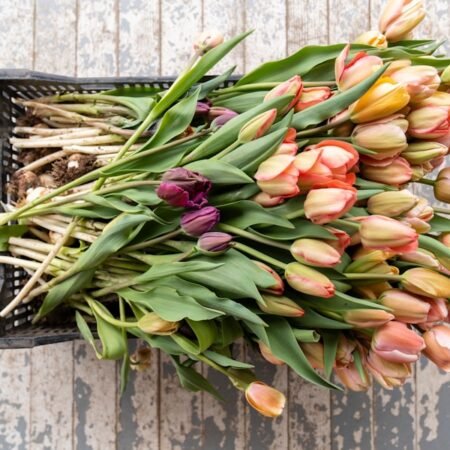

Eco-friendly flowers refer to blooms that are cultivated and sold with minimal negative impact on the environment. This concept encompasses a range of practices aimed at reducing carbon footprints, conserving resources, and promoting biodiversity. Eco-friendly flowers are often grown without synthetic pesticides or fertilizers, which can harm local ecosystems and human health.
Instead, they rely on organic farming methods that prioritize soil health and ecological balance. The term also includes flowers that are sourced from local growers, thereby reducing transportation emissions and supporting regional economies.
The significance of eco-friendly flowers extends beyond their cultivation.
They represent a conscious choice for consumers who are increasingly aware of the environmental implications of their purchases. By opting for eco-friendly flowers, individuals contribute to a more sustainable floral industry that prioritizes ecological integrity. This choice reflects a broader commitment to sustainability, as it encourages practices that protect natural resources and promote environmental stewardship.
Key Takeaways
- Understanding the concept of eco-friendly flowers is essential for making informed and sustainable choices in the floral industry.
- The environmental impact of traditional flower farming highlights the need for more sustainable practices in the floral industry.
- Exploring sustainable practices in the floral industry can lead to a more environmentally friendly and socially responsible approach to flower production.
- The importance of organic and locally grown flowers emphasizes the benefits of supporting local farmers and reducing the carbon footprint of flower transportation.
- Supporting biodiversity through eco-friendly flower choices can have a positive impact on the environment and contribute to the preservation of natural ecosystems.
The environmental impact of traditional flower farming
Traditional flower farming often involves intensive agricultural practices that can lead to significant environmental degradation. The use of chemical fertilizers and pesticides is prevalent in conventional flower production, which can contaminate soil and water sources, harming both wildlife and human populations. Additionally, many flower farms rely on monoculture practices, where a single crop is grown repeatedly, leading to soil depletion and reduced biodiversity.
These practices not only threaten the health of ecosystems but also contribute to climate change through greenhouse gas emissions. Moreover, the transportation of flowers from distant locations adds another layer of environmental impact. Many flowers are imported from countries with lower labor costs, resulting in long shipping distances that increase carbon emissions.
The carbon footprint associated with traditional flower farming is substantial, making it imperative for consumers to consider the environmental consequences of their floral choices. By understanding these impacts, individuals can make informed decisions that align with their values regarding sustainability.
Exploring sustainable practices in the floral industry
Sustainable practices in the floral industry encompass a variety of methods aimed at reducing environmental harm while promoting social responsibility. One key approach is the adoption of organic farming techniques, which eliminate the use of synthetic chemicals and prioritize natural pest control methods. This not only protects the environment but also enhances the quality of the flowers produced.
Additionally, many growers are implementing water conservation strategies, such as drip irrigation systems, to minimize water usage and reduce waste. Another important aspect of sustainability in the floral industry is the promotion of biodiversity. Many florists and growers are now incorporating native plants into their offerings, which support local ecosystems and provide habitats for pollinators.
Furthermore, sustainable floral design emphasizes the use of seasonal blooms, which reduces reliance on imported flowers and encourages consumers to appreciate the natural rhythms of their local environment. By embracing these sustainable practices, the floral industry can significantly mitigate its environmental impact while fostering a more resilient ecosystem. For more information, visit Sustainable Flowers.
The importance of organic and locally grown flowers
Organic and locally grown flowers play a crucial role in promoting sustainability within the floral industry. Organic flowers are cultivated without harmful chemicals, ensuring that they are safe for both consumers and the environment. This method of farming not only protects soil health but also supports beneficial insects and pollinators, which are essential for maintaining biodiversity.
By choosing organic flowers, consumers can enjoy beautiful blooms while contributing to healthier ecosystems. Locally grown flowers offer additional benefits by reducing transportation emissions and supporting local economies. When consumers purchase flowers from nearby growers, they help sustain small businesses and foster community connections.
Local flowers are often fresher than those that have traveled long distances, resulting in longer-lasting arrangements. Moreover, buying locally encourages a greater appreciation for seasonal blooms, allowing consumers to connect with the natural cycles of their region. Together, organic and locally grown flowers represent a powerful choice for environmentally conscious consumers.
The role of fair trade in the flower industry

Fair trade practices have gained traction in various industries, including the floral sector, as a means to promote ethical labor conditions and sustainable farming practices. Fair trade certification ensures that flower growers receive fair wages and work in safe conditions, which is particularly important in countries where labor exploitation is prevalent. By supporting fair trade flower producers, consumers can contribute to social equity while enjoying beautiful blooms.
In addition to improving labor conditions, fair trade practices often align with sustainable agricultural methods. Many fair trade flower farms prioritize organic cultivation techniques and environmentally friendly practices. This dual focus on social responsibility and environmental stewardship makes fair trade flowers an appealing choice for consumers who wish to make a positive impact through their purchasing decisions.
By choosing fair trade flowers, individuals can support a more equitable and sustainable floral industry.
How to identify and support eco-friendly flower businesses
Identifying eco-friendly flower businesses requires some research but can be rewarding for consumers committed to sustainability. One effective way to find such businesses is by looking for certifications like organic or fair trade labels on flower products. These certifications indicate adherence to specific environmental and social standards, providing assurance that the flowers were produced responsibly.
Additionally, consumers can seek out local florists who prioritize sustainable practices in their operations. Many florists now emphasize sourcing from local growers or using organic materials in their arrangements. Engaging with florists directly can provide insight into their sourcing practices and commitment to sustainability.
By supporting these eco-friendly businesses, consumers not only enjoy beautiful floral arrangements but also contribute to a more sustainable future for the floral industry.
The benefits of choosing eco-friendly flowers for events and celebrations
Choosing eco-friendly flowers for events and celebrations offers numerous benefits beyond aesthetic appeal. For one, these flowers often have a lower environmental impact compared to conventional options, aligning with the values of sustainability-minded individuals and organizations. By selecting eco-friendly blooms for weddings, parties, or corporate events, hosts can demonstrate their commitment to environmental responsibility while creating beautiful atmospheres.
Moreover, eco-friendly flowers can enhance the overall experience of an event by promoting local culture and seasonal beauty. Utilizing locally sourced blooms allows hosts to showcase the unique flora of their region while supporting local economies.
Additionally, eco-friendly arrangements often incorporate sustainable design principles that prioritize waste reduction and recycling, further enhancing the event’s positive impact on the environment.
The significance of sustainable floral design
Sustainable floral design is an emerging trend that emphasizes environmentally responsible practices in creating floral arrangements. This approach prioritizes the use of locally sourced and seasonal flowers while minimizing waste through thoughtful design techniques. Sustainable designers often incorporate reusable materials such as containers or mechanics that can be repurposed after an event, reducing overall waste.
Furthermore, sustainable floral design encourages creativity by challenging designers to work with what is available locally and seasonally. This not only fosters innovation but also helps clients appreciate the beauty of nature’s offerings throughout the year. By embracing sustainable design principles, florists can create stunning arrangements that reflect a commitment to environmental stewardship while inspiring clients to make more conscious choices.
Supporting biodiversity through eco-friendly flower choices
Choosing eco-friendly flowers plays a vital role in supporting biodiversity within ecosystems. Conventional flower farming often relies on monoculture practices that diminish plant diversity and disrupt local habitats. In contrast, eco-friendly flower choices promote a variety of species that can coexist harmoniously within an ecosystem.
By selecting native plants or organic blooms, consumers contribute to healthier environments that support pollinators such as bees and butterflies. Additionally, eco-friendly flower choices encourage responsible land use practices that protect natural habitats from degradation. Many sustainable growers implement agroecological methods that enhance soil health and promote biodiversity on their farms.
By supporting these practices through conscious purchasing decisions, individuals can help preserve vital ecosystems while enjoying the beauty of diverse floral offerings.
The future of eco-friendly flowers: trends and innovations
The future of eco-friendly flowers is bright as trends continue to evolve within the floral industry toward greater sustainability and innovation. One notable trend is the increasing popularity of regenerative agriculture practices among flower growers. This approach goes beyond sustainability by actively restoring ecosystems through methods such as cover cropping and agroforestry, which enhance soil health and biodiversity.
Technological advancements also play a significant role in shaping the future of eco-friendly flowers. Innovations such as vertical farming and hydroponics allow for efficient flower production with reduced land use and resource consumption. Additionally, advancements in supply chain transparency enable consumers to trace the origins of their flowers more easily, fostering greater accountability within the industry.
As these trends continue to gain momentum, eco-friendly flowers will likely become more accessible and mainstream, paving the way for a more sustainable future in floral design and consumption.
FAQs
What are eco-friendly flowers?
Eco-friendly flowers are those that are grown and harvested using sustainable and environmentally friendly practices. This includes minimizing the use of pesticides and chemicals, conserving water, and reducing carbon emissions.
What is the environmental impact of traditional flower farming?
Traditional flower farming can have a significant environmental impact, including the use of harmful pesticides and chemicals, excessive water consumption, and the emission of greenhouse gases from transportation.
What are sustainable practices in the floral industry?
Sustainable practices in the floral industry include using organic and natural growing methods, reducing water and energy consumption, minimizing waste, and supporting fair labor practices.
Why is it important to choose organic and locally grown flowers?
Choosing organic and locally grown flowers supports sustainable farming practices, reduces carbon emissions from transportation, and helps to preserve local ecosystems and biodiversity.
What is the role of fair trade in the flower industry?
Fair trade in the flower industry ensures that workers are paid fair wages, have safe working conditions, and are not exploited. It also promotes sustainable farming practices and community development.
How can one identify and support eco-friendly flower businesses?
Consumers can identify eco-friendly flower businesses by looking for certifications such as USDA Organic, Veriflora, or Fair Trade. They can also support these businesses by purchasing their products and spreading awareness.
What are the benefits of choosing eco-friendly flowers for events and celebrations?
Choosing eco-friendly flowers for events and celebrations supports sustainable practices, reduces environmental impact, and promotes the well-being of workers and local communities.
What is the significance of sustainable floral design?
Sustainable floral design focuses on using locally sourced, seasonal flowers, and minimizing waste. It promotes creativity while reducing the environmental impact of floral arrangements.
How do eco-friendly flower choices support biodiversity?
Eco-friendly flower choices support biodiversity by promoting natural growing methods, preserving habitats, and reducing the use of harmful chemicals that can harm local ecosystems and wildlife.
What are the future trends and innovations in eco-friendly flowers?
The future of eco-friendly flowers includes innovations such as vertical farming, biodegradable packaging, and the use of technology to track and reduce environmental impact throughout the supply chain.